Public Art in Outdoor Spaces

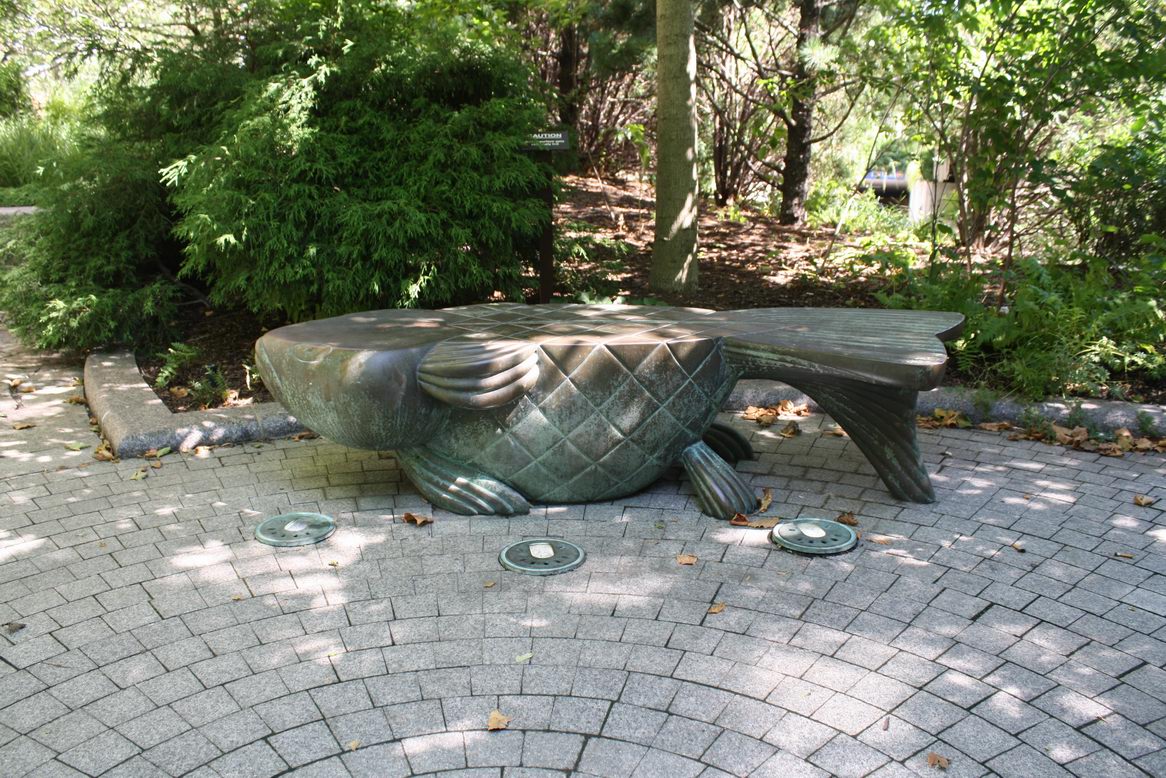
I love to see art pieces in public spaces – they often liven up a place and generate conversation. Below are a few interesting installations found in the U.S. and Europe, both permanent and temporary, in quite a range of styles and materials.


Streetscape sculptures in downtown Portland, Oregon


Stainless steel piece incorporating running water in the Rose Test Garden of Portland, Oregon


Bronze elephants in the North Park Blocks of Portland, Oregon


Salvador Dali elephant along the Thames River in London


Series of stone sculptures in a park in Caunes-Minervois, France


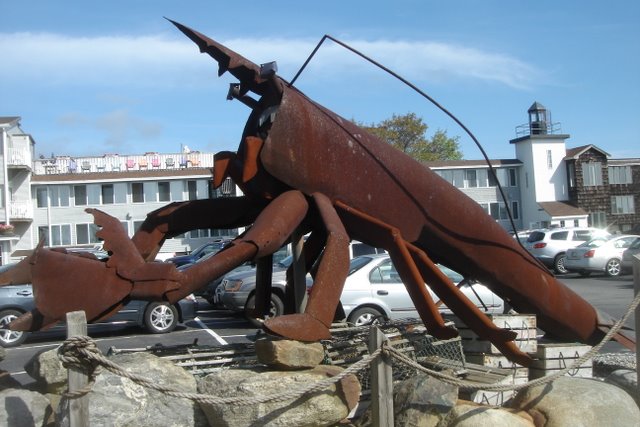
Core-ten steel lobster in Woolwich, Maine


Wind-activated piece in the deCordova Sculpture Park, Lincoln, Massachusetts


Giant typewriter eraser in the Olympic Sculpture Park, Seattle, Washington


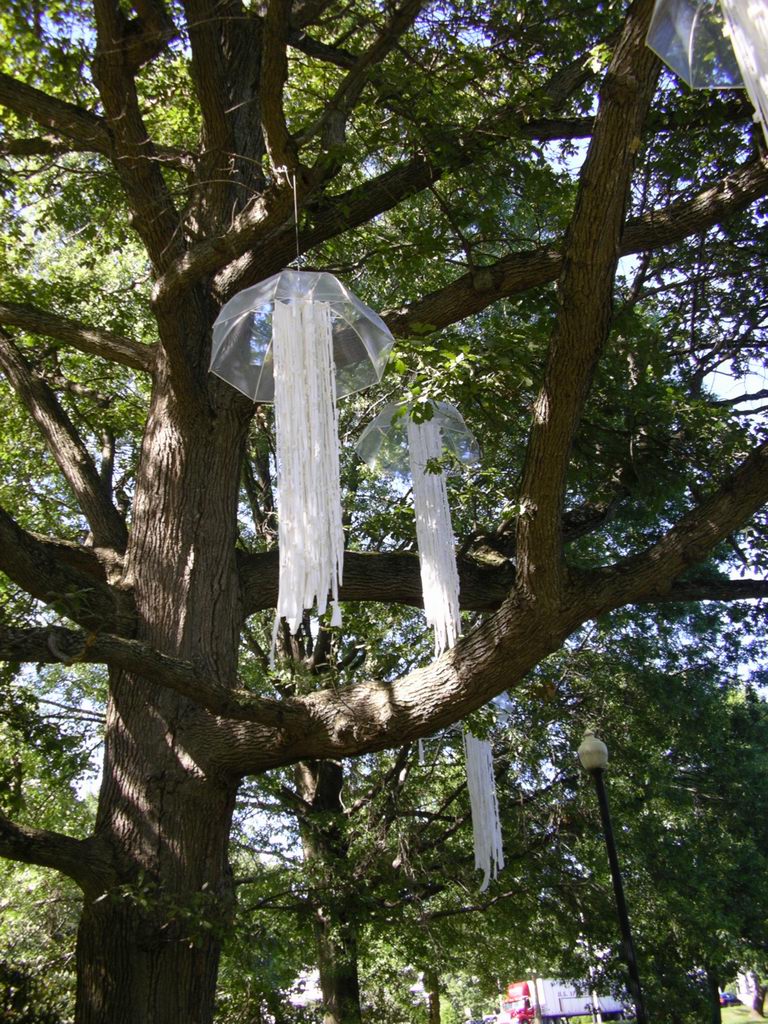
Jellyfish in Elm Park, Worcester, Massachusetts


Hand-woven banners cover a footbridge in Elm Park, Worcester, Massachusetts


Barrel Monster is erected for a festival in Raleigh, North Carolina

Photos in Massachusetts and Oregon by Alice Webb
Photos in Washington, Maine, North Carolina, and European countries by Nancy Novell

Art Deco in New York City

I know this is a bit off the topic of landscape architecture, but I happen to have a love for Art Deco design, and want to share some photos of this subject that I took in New York City last year. My grandfather was an architect when this style was very popular; in fact, he was one of many architects who designed the Rockefeller Center complex of buildings when he was employed by Raymond Hood.
 

Looking south on Lexington Avenue: G.E. Building in foreground on right, and Chrysler Building in background
 

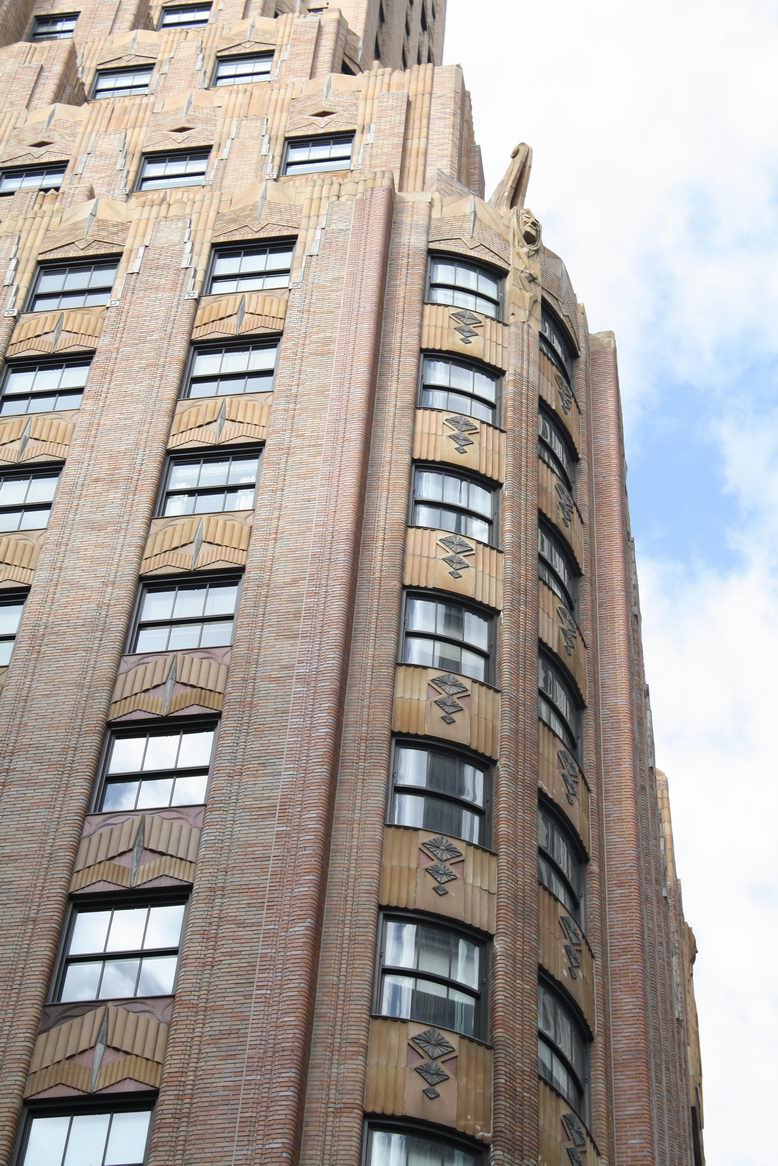
Detail of Chanin Building on Lexington Avenue
 

G.E. Building on Lexington Avenue
 

Madison Belmont Building detail (on Madison Avenue)
 

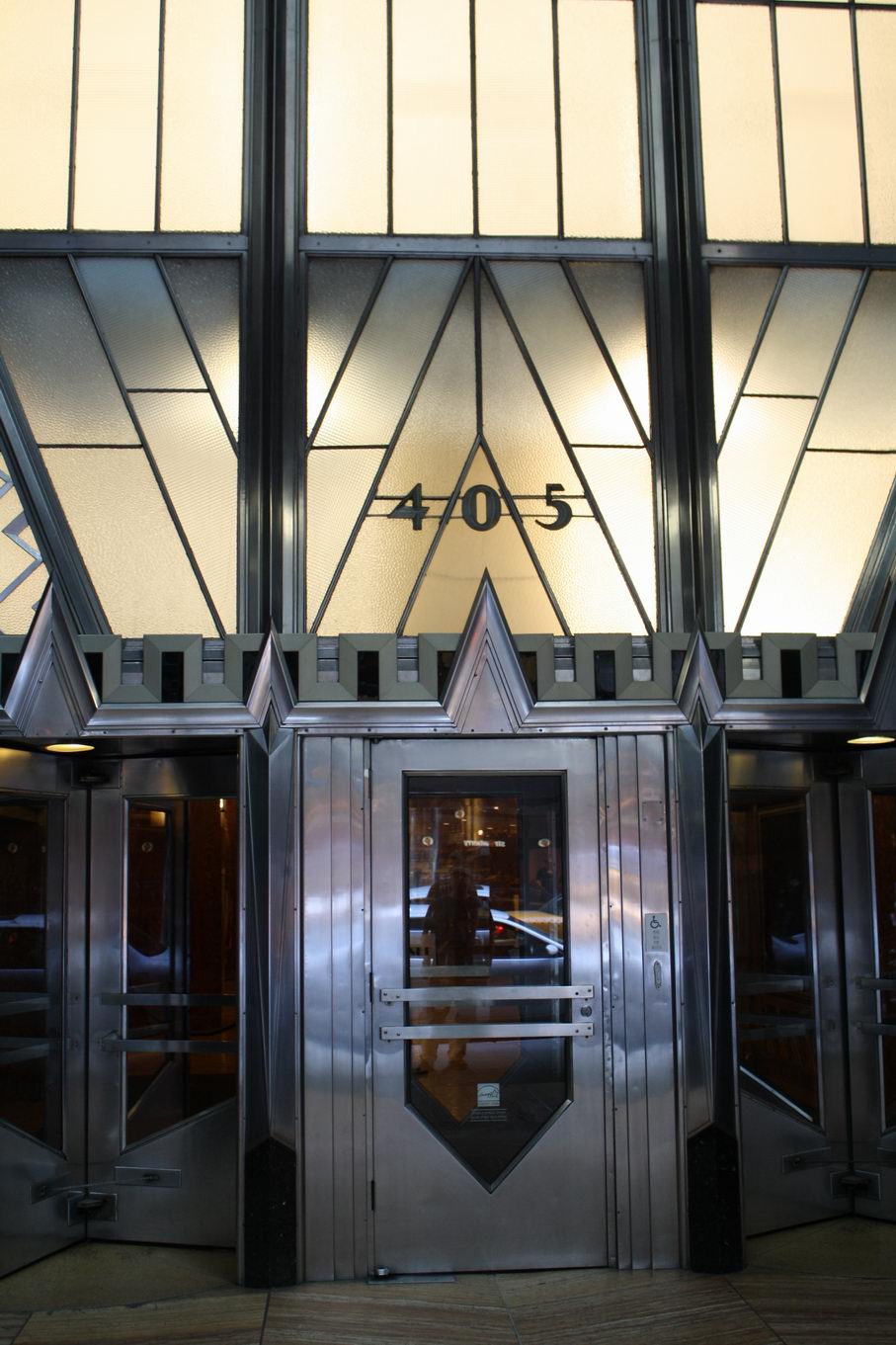
Lexington Avenue entrance to the Chrysler Building
 

Lobby of Empire State Building
 

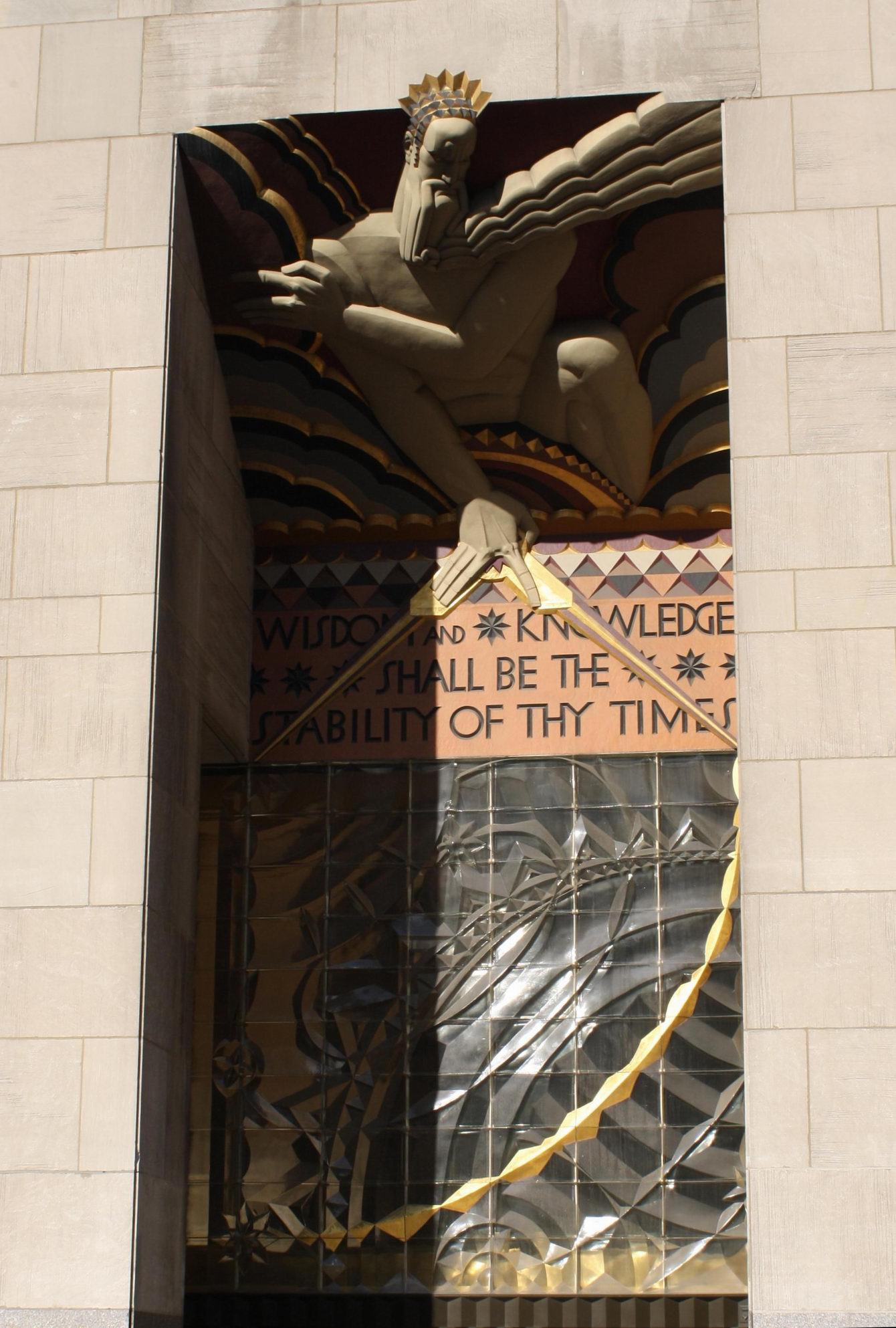
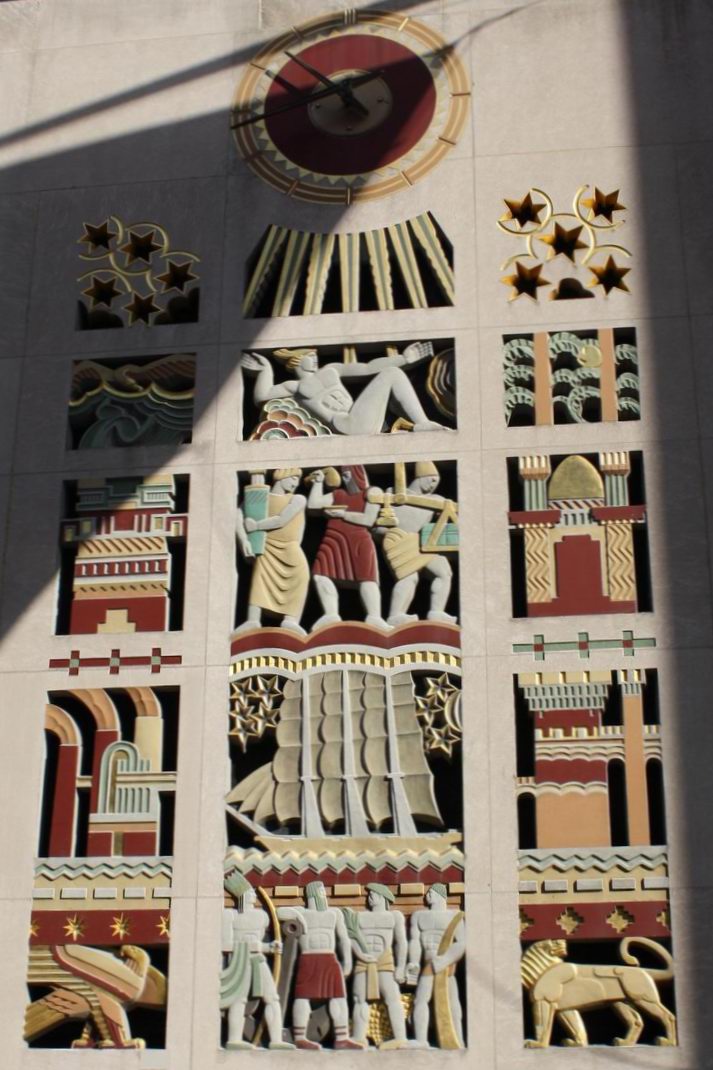
Rockefeller Center detail
 

Rockefeller Center detail
 
Photos by Alice Webb

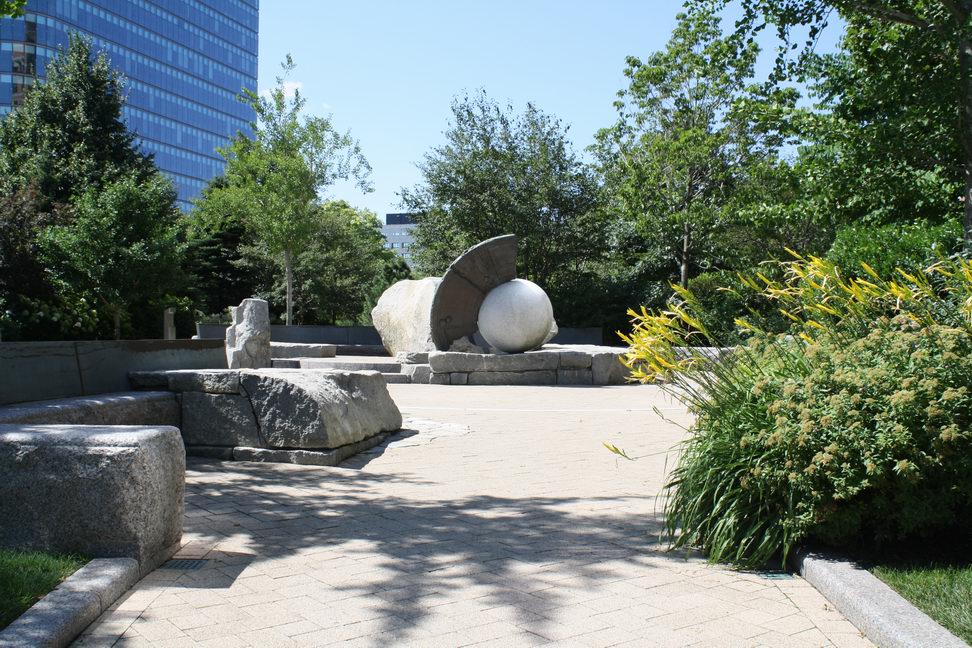
Boston’s Fan Pier Public Green

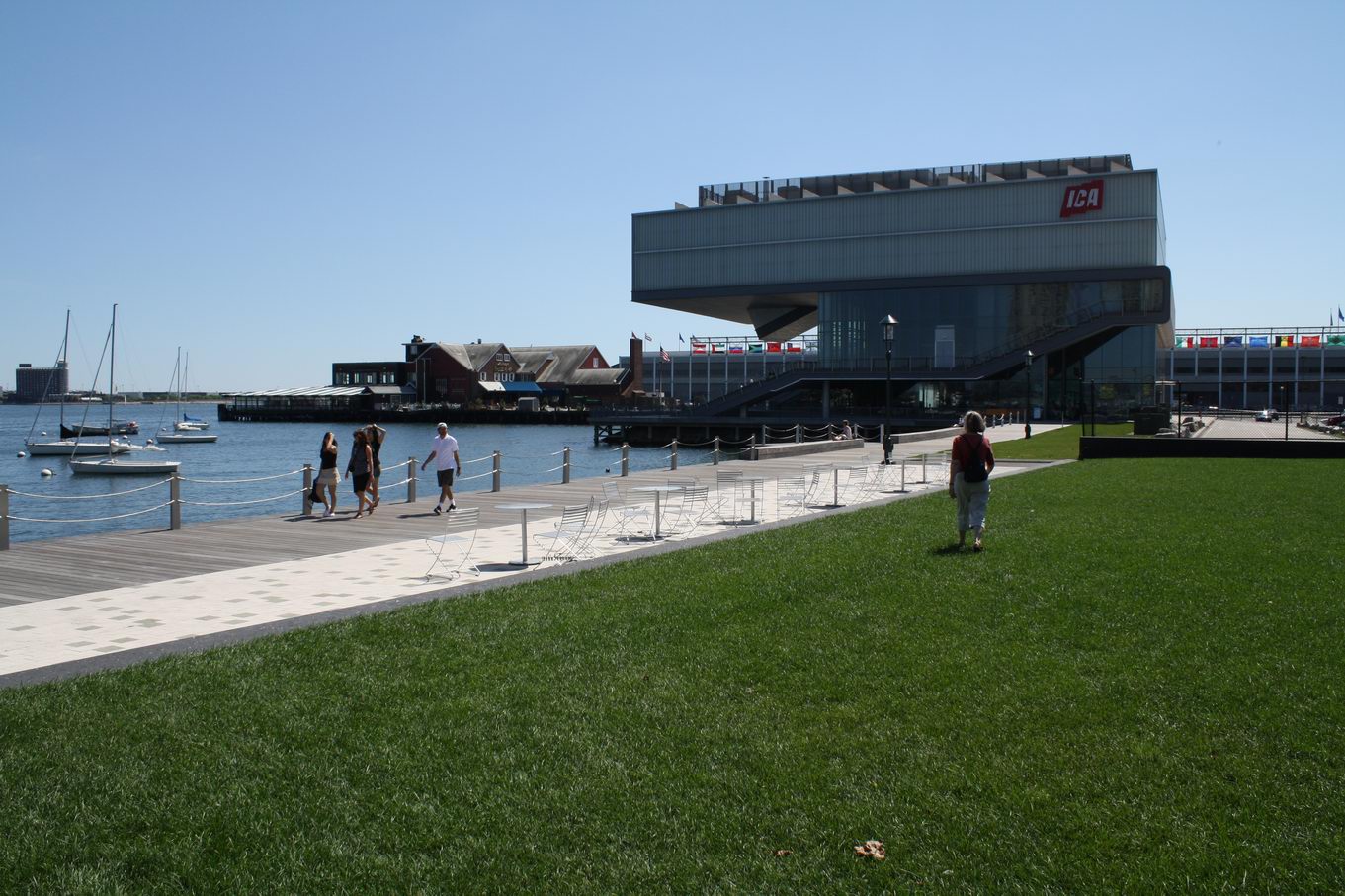
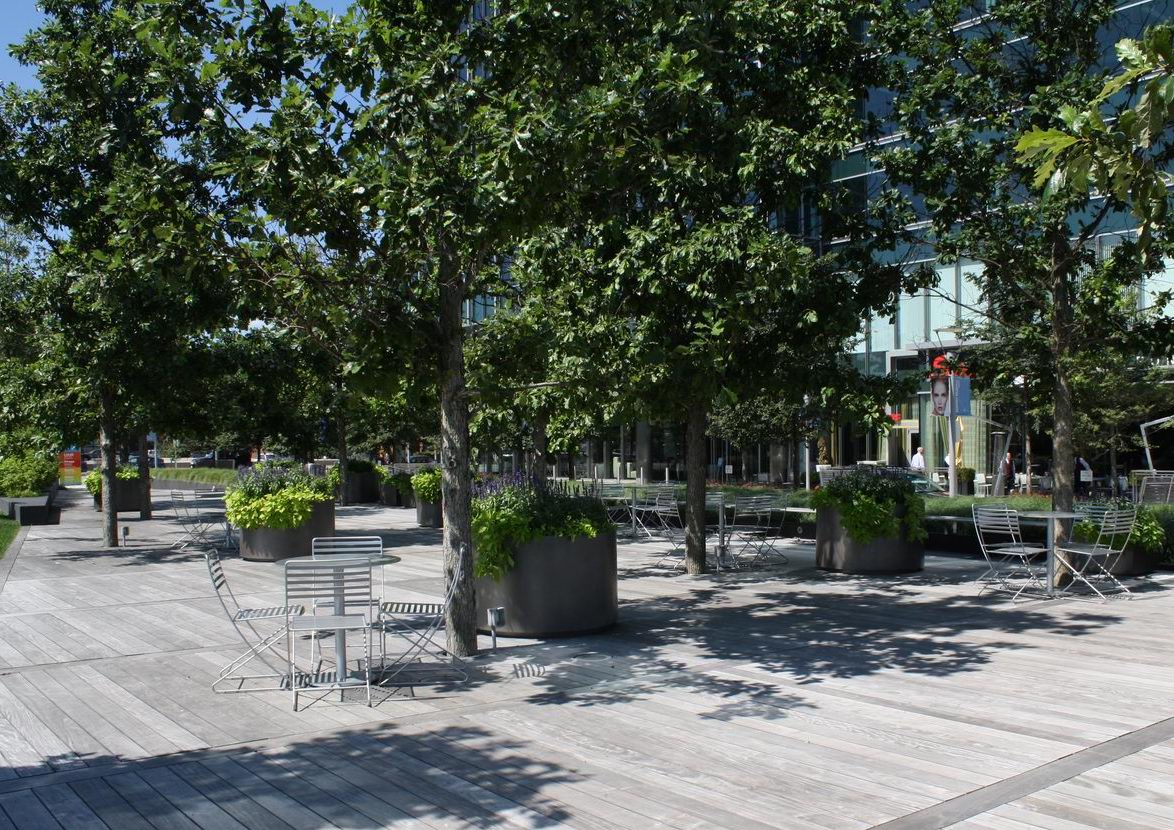
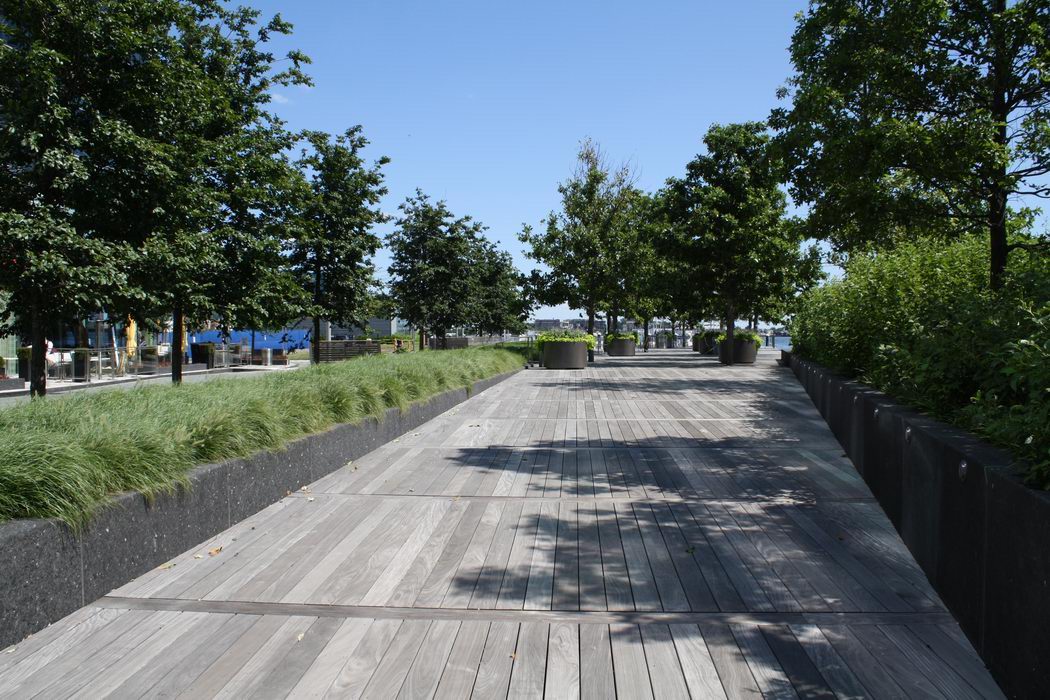
One of the newest parks in south Boston’s Seaport district is Fan Pier Public Green. It’s a privately-owned space, open to public use, which overlooks Boston Harbor. The park consists of a large open lawn area which is bounded by walkways on three sides. A wedge-shaped boardwalk runs along the northwest edge of the green, perpendicular to the waterfront – an enjoyable place to sit in the shade of trees and view the harbor on a warm summer day. Also, a boardwalk adjacent to the water connects the park to Boston’s Institute of Contemporary Art.


Walkway on northwest side of green, approaching the harbor


The green, as viewed from the sidewalk along Northern Avenue


Institute of Contemporary Art, with the green in foreground


Nice view of Boston Harbor from raised section of boardwalk


Shady seating area near the harbor

Photos by Alice Webb

Touring America’s Historic Parkways


After moving to the northeastern U.S., I became intrigued by the numerous historic parkways that crisscross parts of New York, Connecticut, New Jersey, and some neighboring states. They’re a pleasant alternative to the interstate highways, primarily due to their scenic qualities and absence of commercial truck traffic. I have only traveled on a few of these picturesque roads so far, but I look forward to experiencing more of them.

Historic parkways can be found elsewhere in this country, but not at such a high concentration as one will find in the northeast, especially in New York City and surrounding areas. In fact, the first parkway built in the U.S. was the Eastern Parkway in Brooklyn, designed in 1866 by landscape architect Frederick Law Olmsted and architect/designer Calvert Vaux. These two coined the term “parkway”, whose original intent was to provide a scenic connection to and between parks. Eastern Parkway terminates at Prospect Park, also designed by Olmsted and Vaux.

After World War I, the newer parkways took on several distinguishing characteristics. These include the exclusion of commercial vehicles, limiting access to a few interchanges, curvilinear alignments, and emphasis on experience (instead of getting to one’s destination as quickly as possible). Also, the land acquisitions became much wider with these later parkways, providing better buffering from surrounding development. The first road to be designed in this manner was the Bronx River Parkway, built in 1923.

Landscape architects and engineers worked as teams designing many of these parkways. These two professions collaborated on determining alignment of the roadways, which included many ecological and scenic considerations. Although landscape architects designed the parkway plantings as well, this was only one small part of their role.

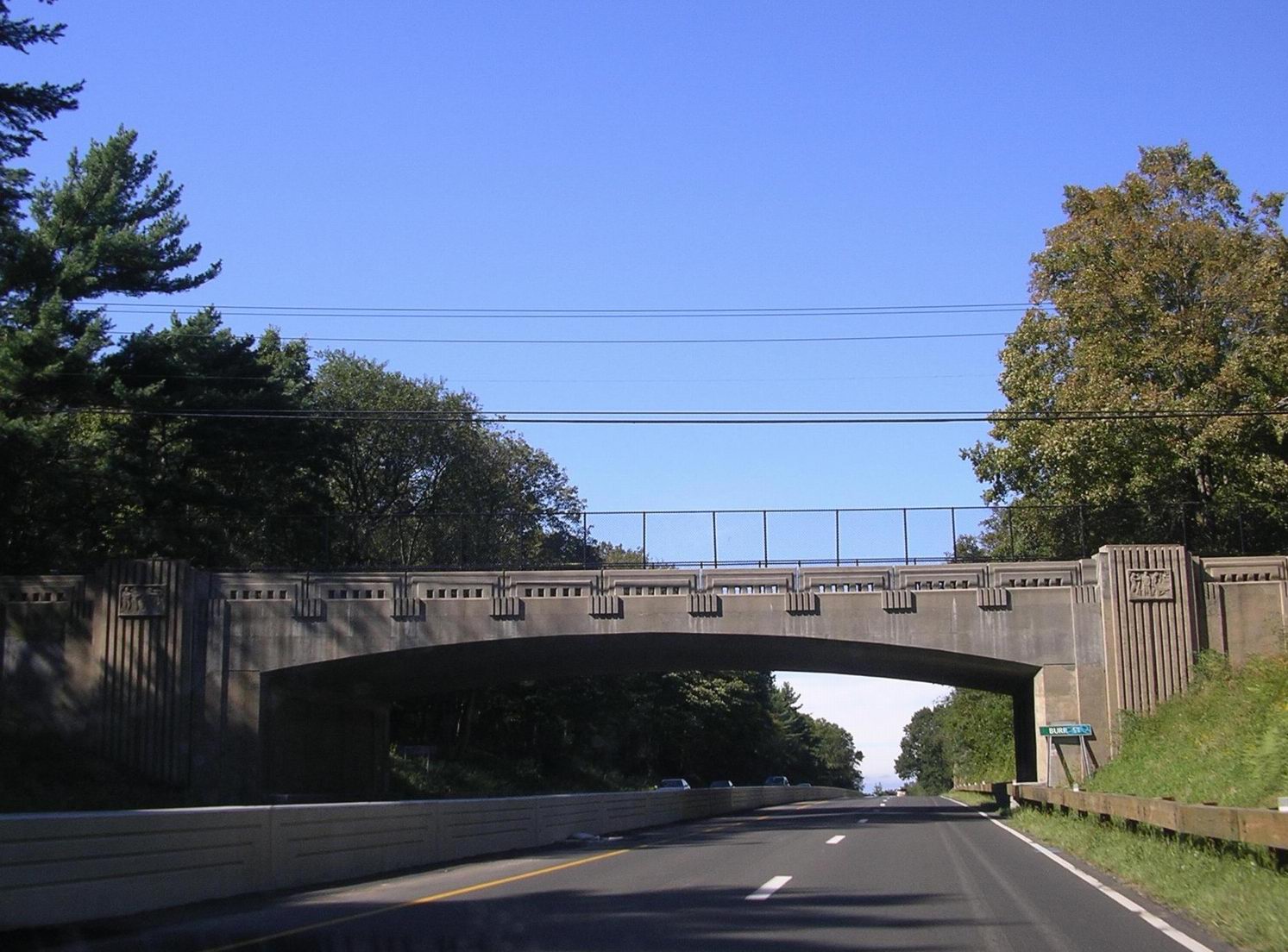
Below are some photos of the Merritt Parkway in Connecticut, which I traveled for the first time this month. I was amazed by the variety of bridges along this roadway, most of which are outstanding works of art, executed in a range of styles. Also, the many mature trees along this 37.5-mile stretch of road, including some in the medians, make the drive a very pleasant experience. Unfortunately, the decorative elements on some of the bridges are deteriorating, and the Merritt Parkway has also suffered from other symptoms of neglect. The National Trust for Historic Preservation included it in its 2010 list as one of America’s most endangered historic places.

Many historic parkways in this region have been facing the pressures of increasing traffic over the decades since they were built. Insensitive alterations and lack of maintenance have also contributed to their decline. I remain hopeful that funds will become available to restore these roadways after this nation’s economy improves. Perhaps reducing and enforcing speed limits would also discourage drivers from using the parkways for their daily commutes, and return them to their original intent as scenic byways.
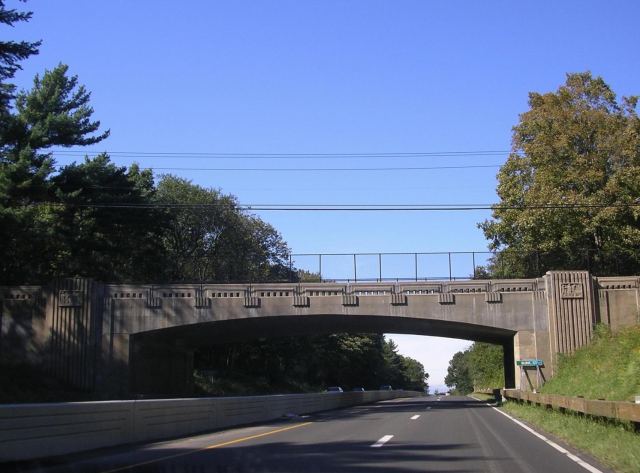

One of 66 unique bridges on the Merritt Parkway. This one includes small bas-reliefs on the abutments.


There are many mature trees along the Merritt Parkway.
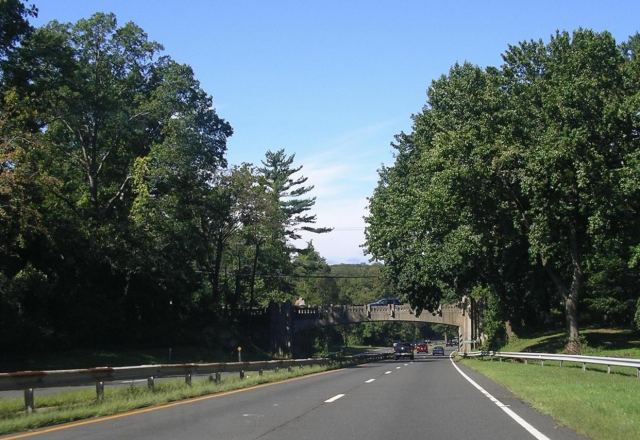

Approaching another decorative overpass on the Merritt Parkway

Photos by Alice Webb

Creative Features for Playgrounds

A children’s playground doesn’t have to be a boring flat area of safety surfacing with a couple of climbing structures plopped the middle. Interesting elements can be included that don’t add a lot to the cost of the project. Below are examples of a few fun features that enhance play environments by providing more of a variety of activities, fostering creative play, and adding visual appeal.


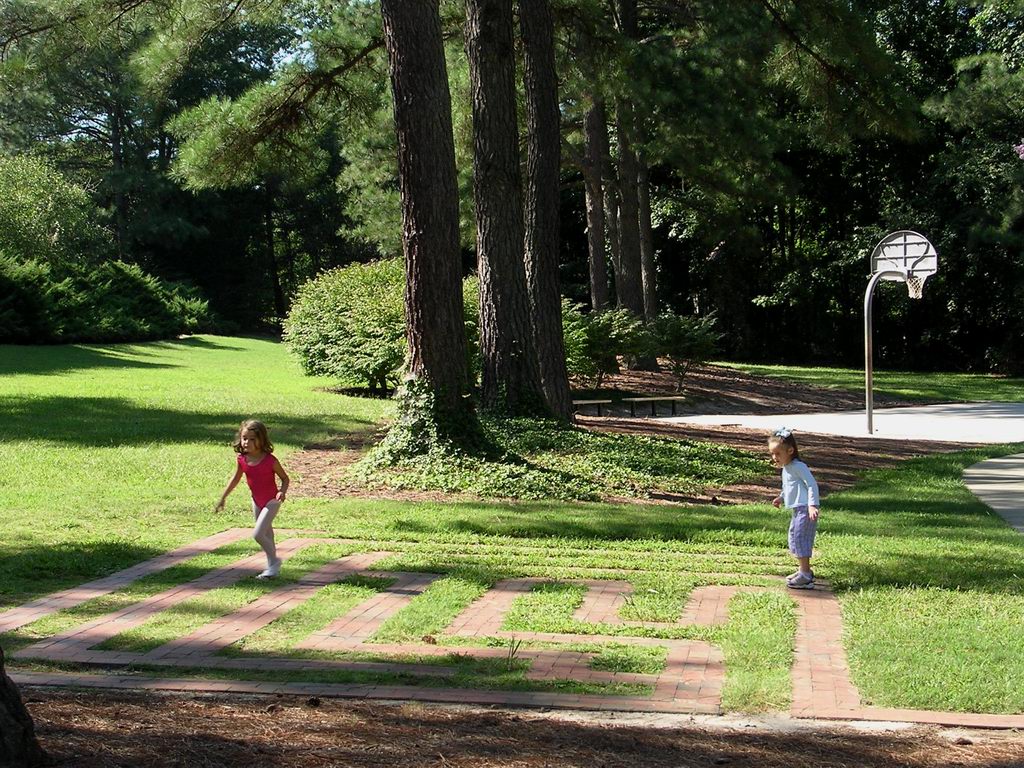
Two-dimensional brick/turf maze (Dunham Park, Cary, NC)


Slide situated on a mound (Colombo Park, Worcester, MA)


Slide on a hillside, surrounded with plants; and interesting series of archways along a walk (North Cary Park, Cary, NC)


Water trough and rocks in a sand play area (Forest Hills Park, Durham, NC)


Play houses add fun to this sand area, and a blue “river” flows from a water trough (Forest Hills Park, Durham, NC)


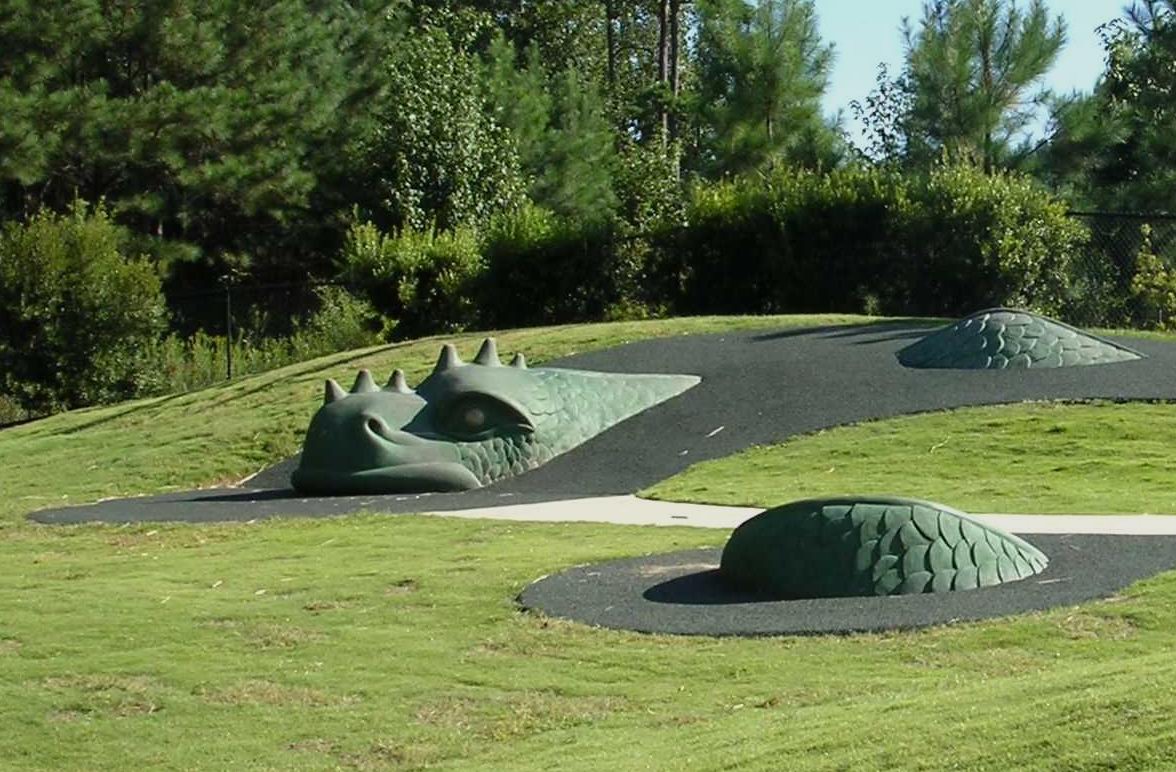
An original dragon sculpture used for climbing (Marla Dorrel Park, Cary, NC)


Playful planters (MacDonald Woods Park, Cary, NC)

Photos by Alice Webb
South Boston’s Parks and Plazas

There are several nicely-designed outdoor spaces in south Boston that are open to the public even though they are privately-owned. On a recent outing, I visited five of these spaces, located in the Seaport district of the city, and all within walking distance of one another. These include Eastport Park, South Boston Maritime Park, West Podium Park, The Fan Pier Public Green, and the entrance area of the Boston Children’s Museum (owned by a private, non-profit organization).

These spaces run the gamut from cozy gardens to active plazas and expansive lawns. A taste of each is included in the photos below. I will be writing more about some of these individual places in future posts.


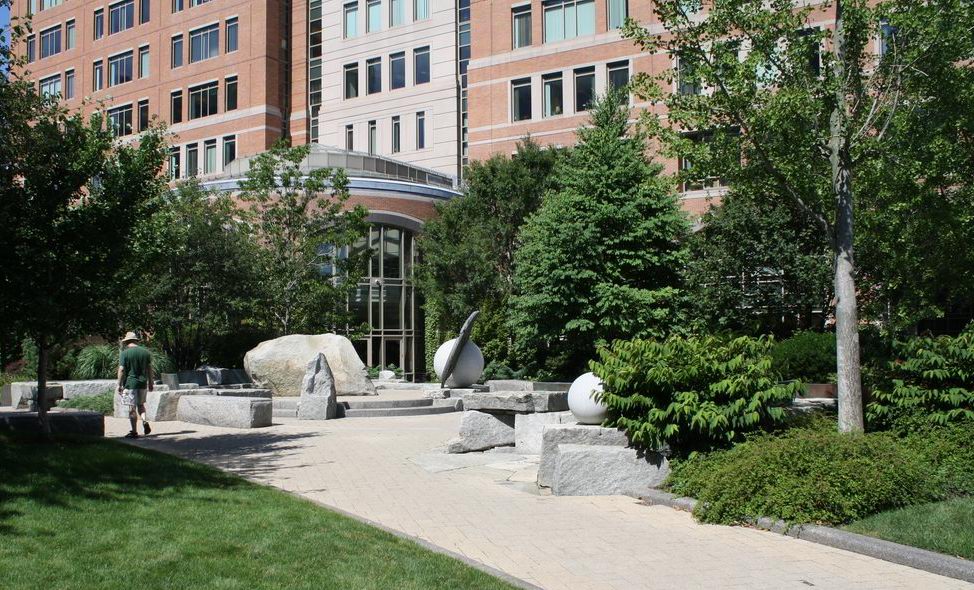
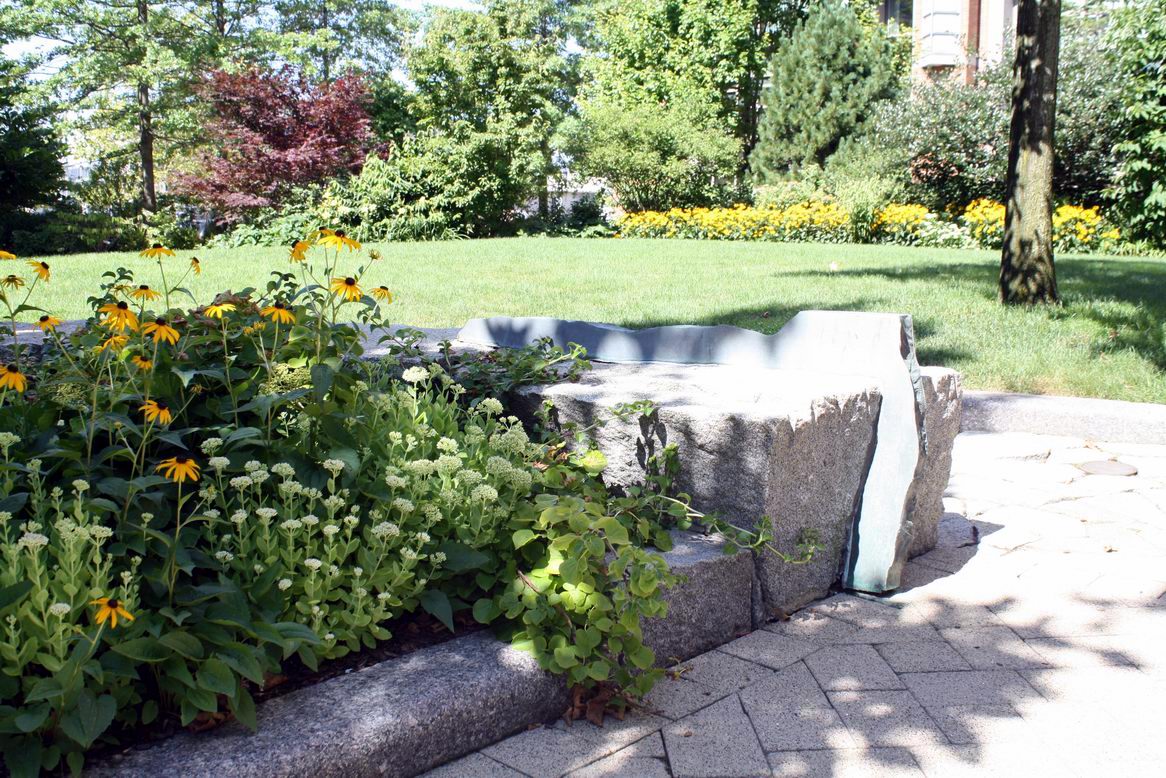
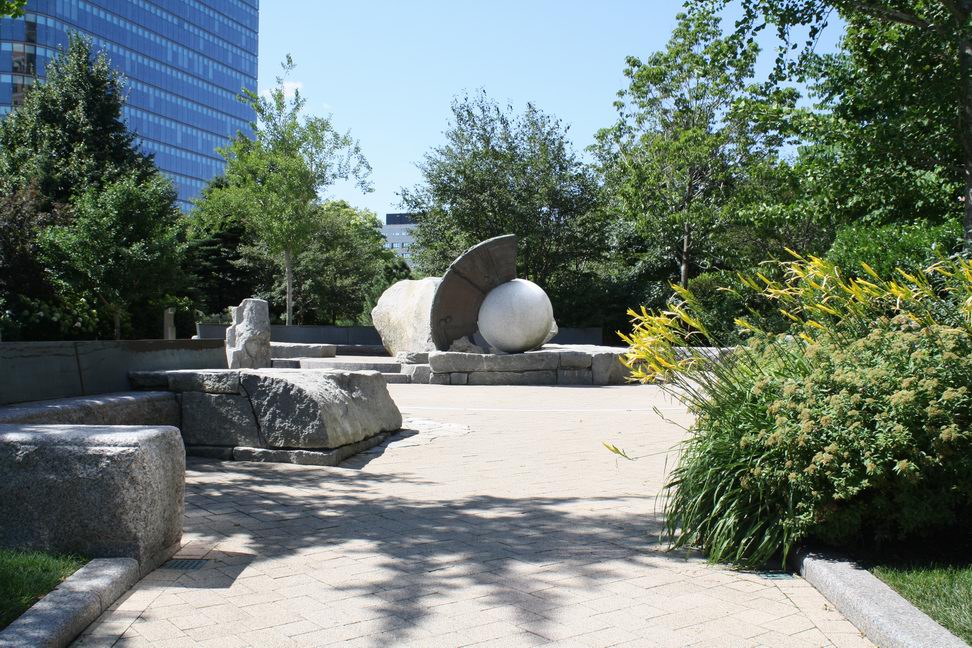
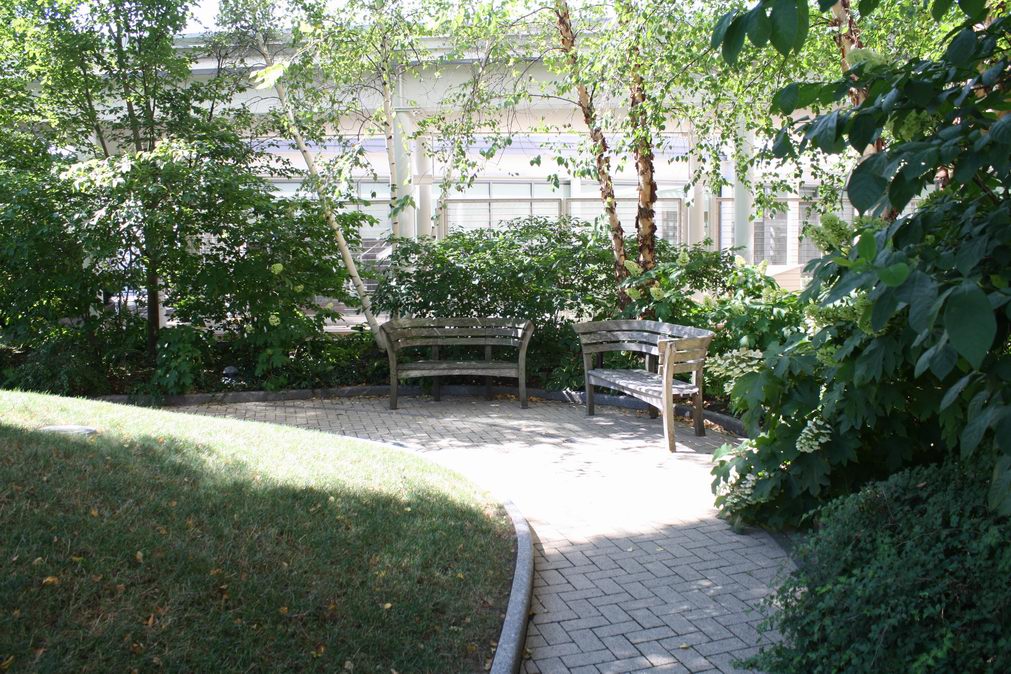
Eastport Park – a sculpture garden with lush plantings and shady seating areas


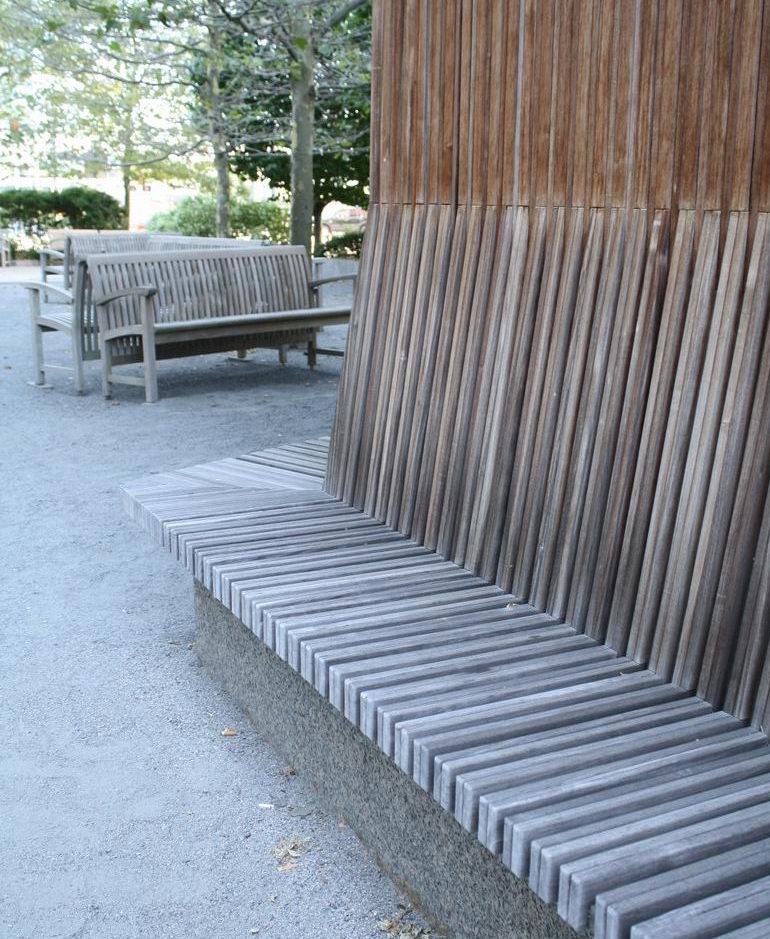
An attractive bench is integrated with a building in South Boston Maritime Park. This park also includes a large lawn and a sculptural shade structure with tables and chairs.


West Podium Park is actually a roof garden, and includes several pleasant seating areas.


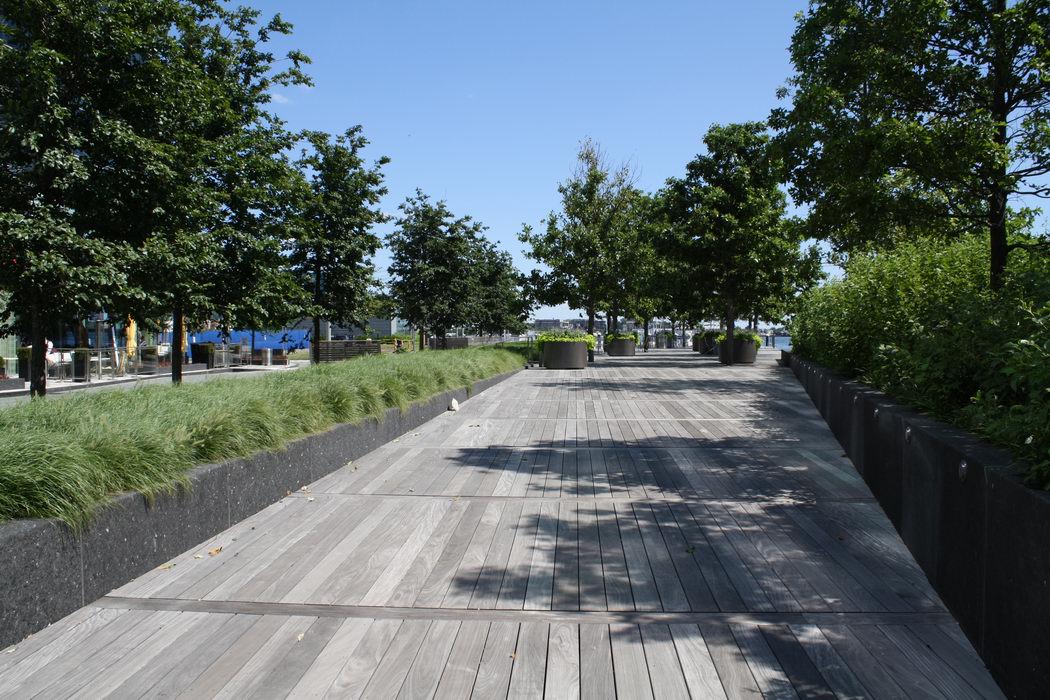
The Fan Pier Public Green includes this pedestrian walkway which leads to seating areas along the water. A large lawn space is adjacent to this.


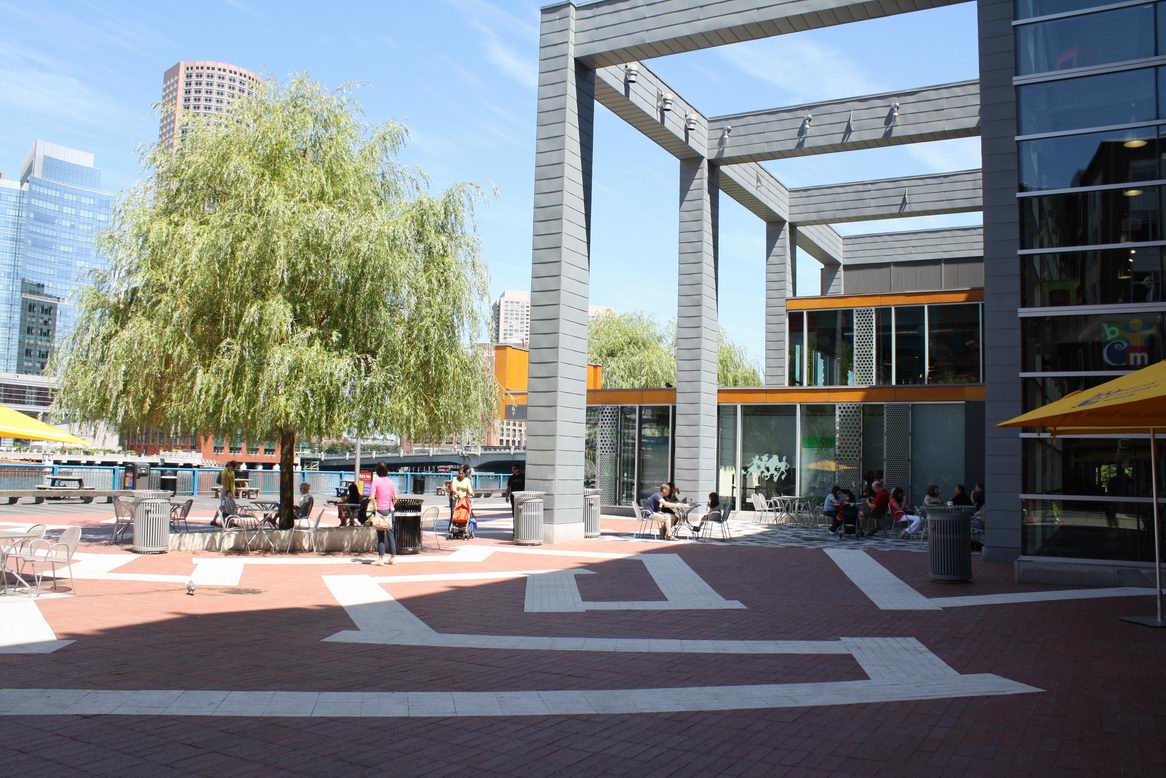
Playful zig-zag pavement at the entrance to the Boston Children’s Museum

Photos by Alice Webb
Halprin Parks of Portland

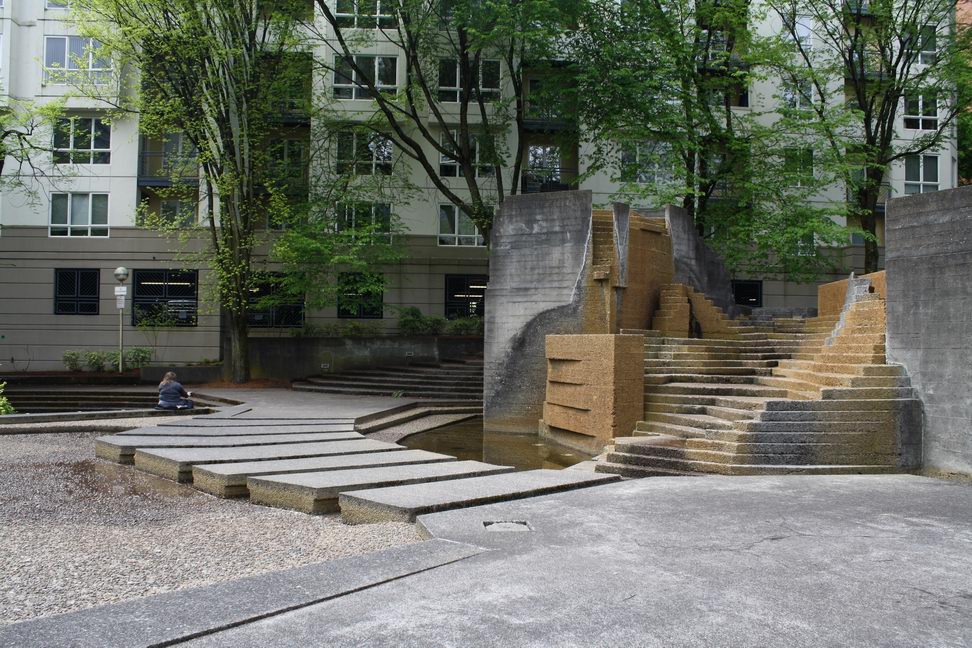
Lawrence Halprin (1916-2009) was a prominent American landscape architect who designed many modernist parks, plazas, fountains, and other projects, primarily in the 1960s and 1970s. Many of his works feature poured-in-place concrete forms and running water that represent natural elements and processes. In Portland, Oregon, Halprin’s firm designed a series of three public spaces, which I visited in May of this year. The water in the fountains had been turned off at that time, but presumably would be back on during the summer months, since the fountains are meant to be accessible.

Sadly, some notable modernist landscapes have been poorly-maintained and at risk of demolition and re-design. Several of Halprin’s works have been threatened in this manner, but The Cultural Landscape Foundation has brought attention to these and other endangered landscapes through its Landslide education campaign. So far, Halprin’s Portland parks have not been considered at-risk.


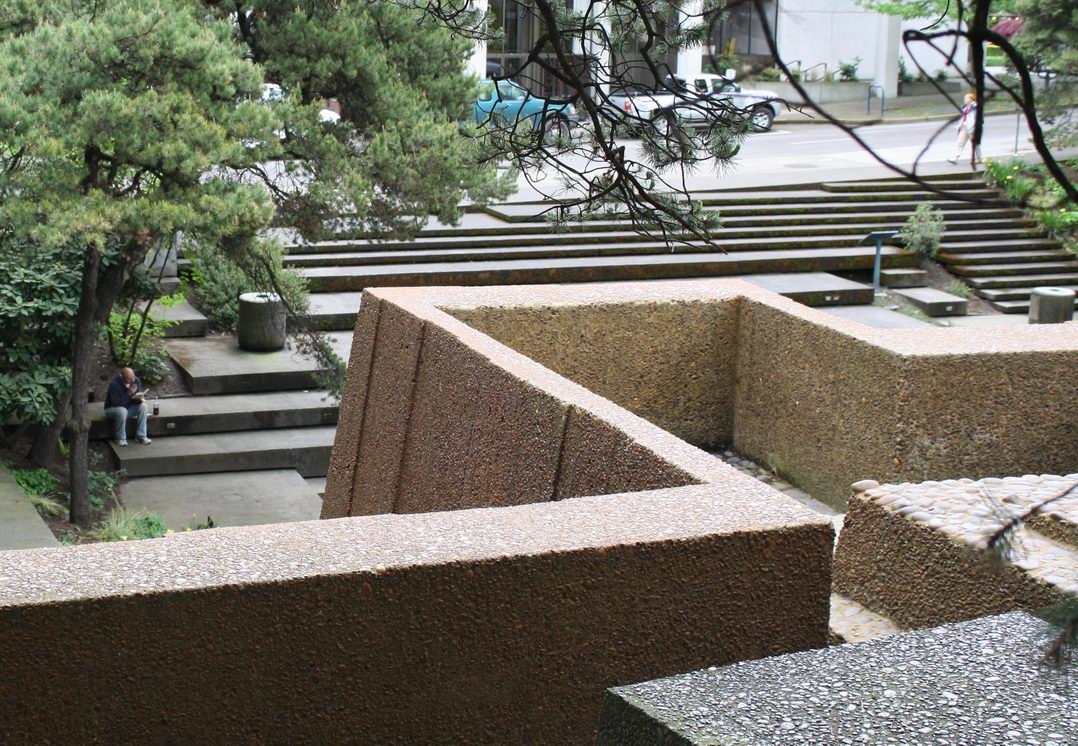
Keller Fountain Park: The design of the Ira Keller Fountain (water turned off at time of photo) was inspired by the waterfalls of the Colombia River Gorge.


Keller Fountain Park: The fountain was designed to be accessible and therefore has 36” safety barriers along the edges.


Pettygrove Park includes this sculpture called “The Dreamer” by Manuel Izquierdo. In summer the pool surrounding the sculpture is filled with water.


Pettygrove Park features circular and curvilinear forms, and includes numerous grass mounds.


Lovejoy Fountain Park: Fountain and “stepping stones” (water turned off)


Lovejoy Fountain Park: The lower pool of the fountain is in foreground, with modernist-style buildings lining the east edge of the park.


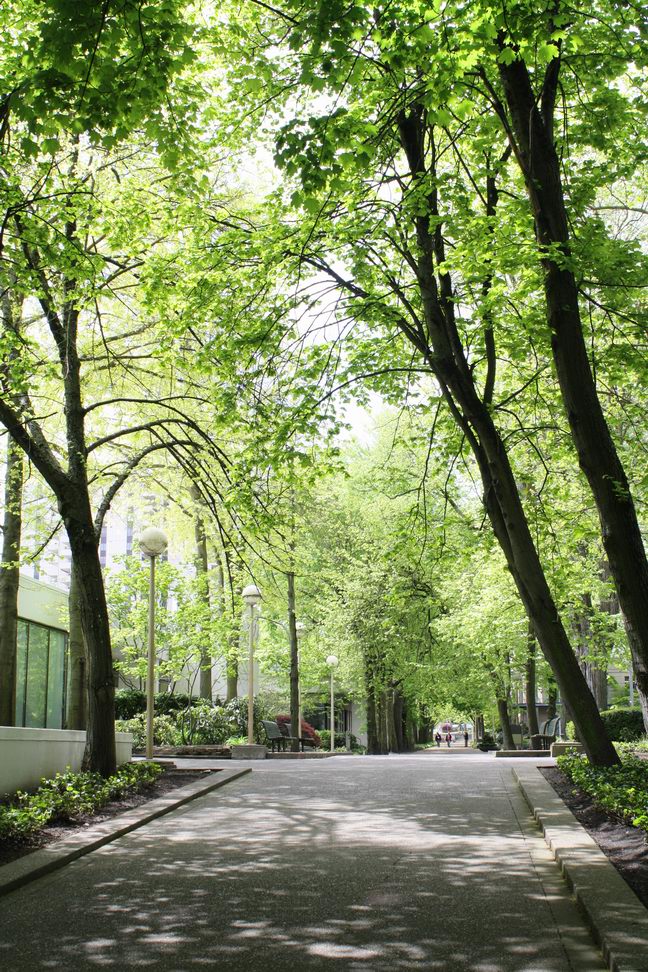
Pleasant pedestrian walkways connect the Halprin parks in Portland.

Photos by Alice Webb
Tanner Springs Park – A Lesson in History and Sustainability


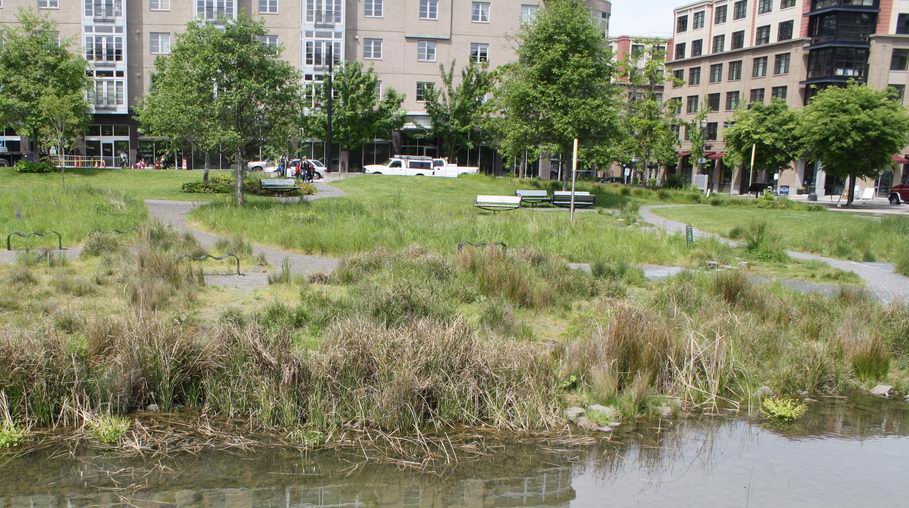
Tanner Springs Park, in the Pearl District of Portland, Oregon, is a unique example of ecological sustainability within an urban area. It was built on a former industrial site, and a natural habitat was created to represent the historic ecosystem that existed in this part of the Willamette River valley prior to development of the city.

The site slopes down from west to east, and the western end is planted with trees to portray an Oak savannah prairie. A native grassland was planted downhill from the savannah, sloping down into a wetland, and ultimately to a pond at the east end of the park.

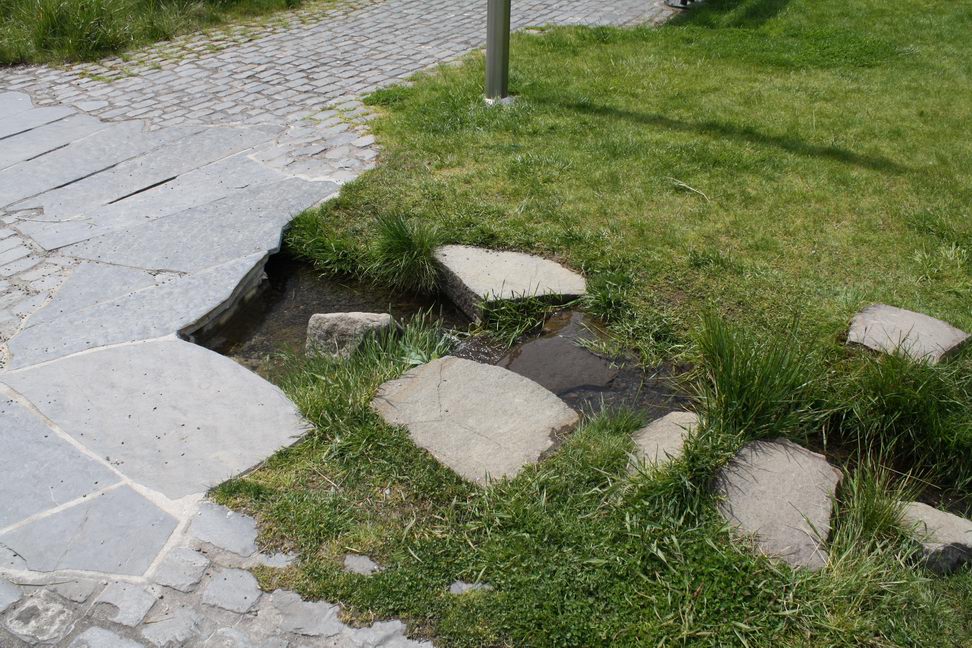
All rain water that falls within the park boundaries is cleansed and recycled on site. Water seeps into the soil, migrates to a subgrade cistern, and is then treated by an ultraviolet light system, also located under ground. The clean water then emerges as a “spring” in the grassland, and flows through a meandering runnel into the pond.

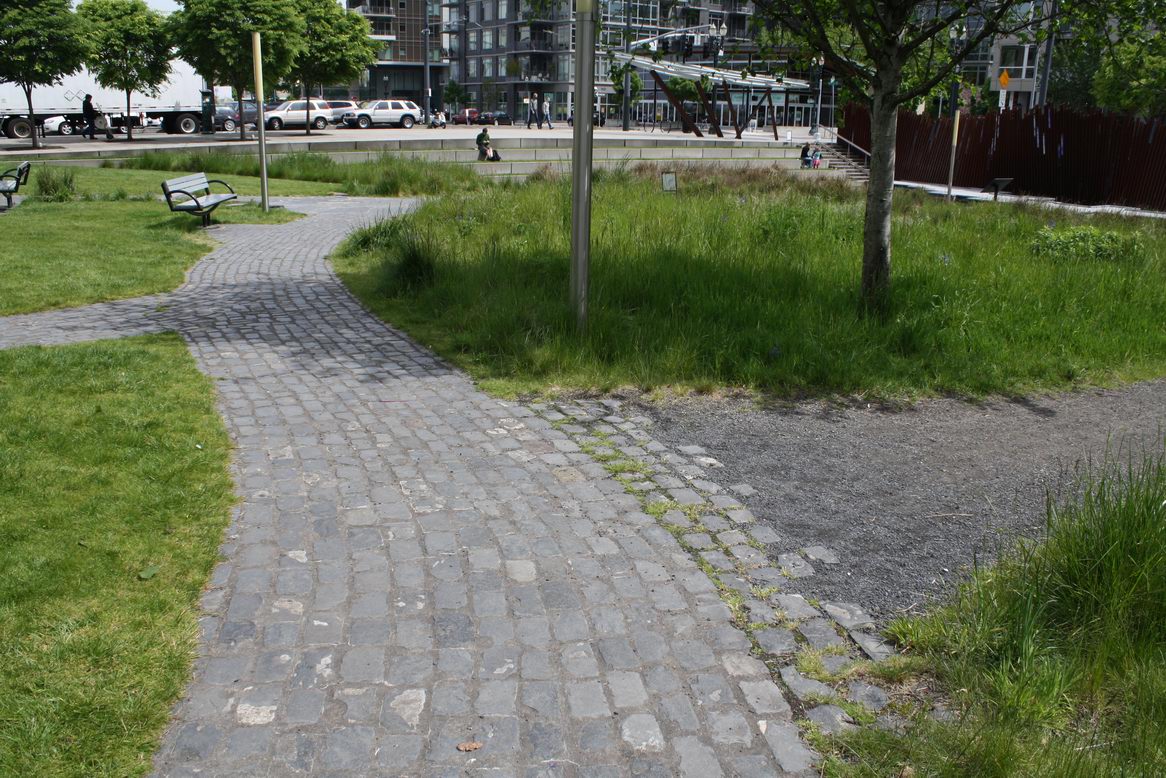
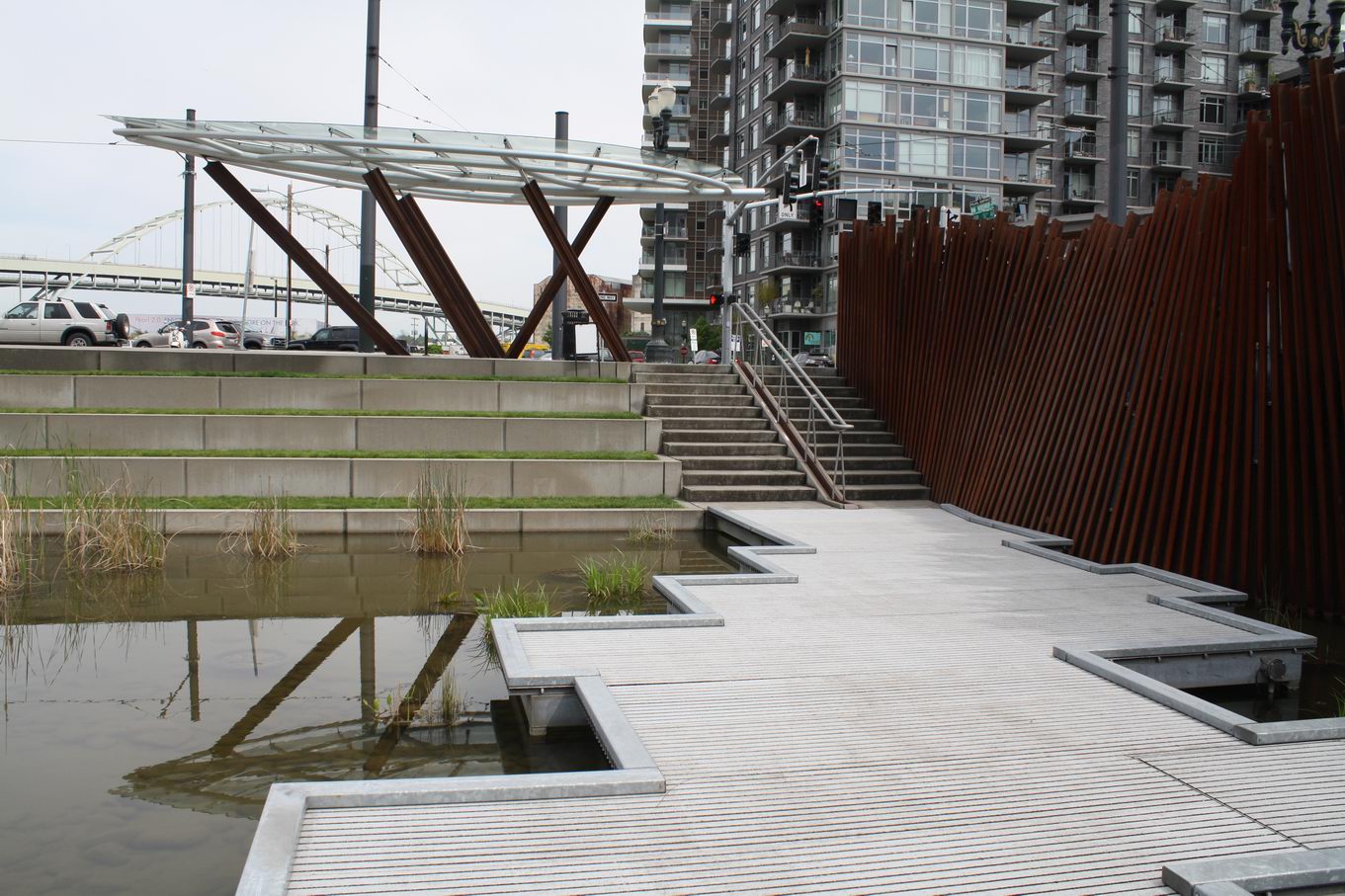
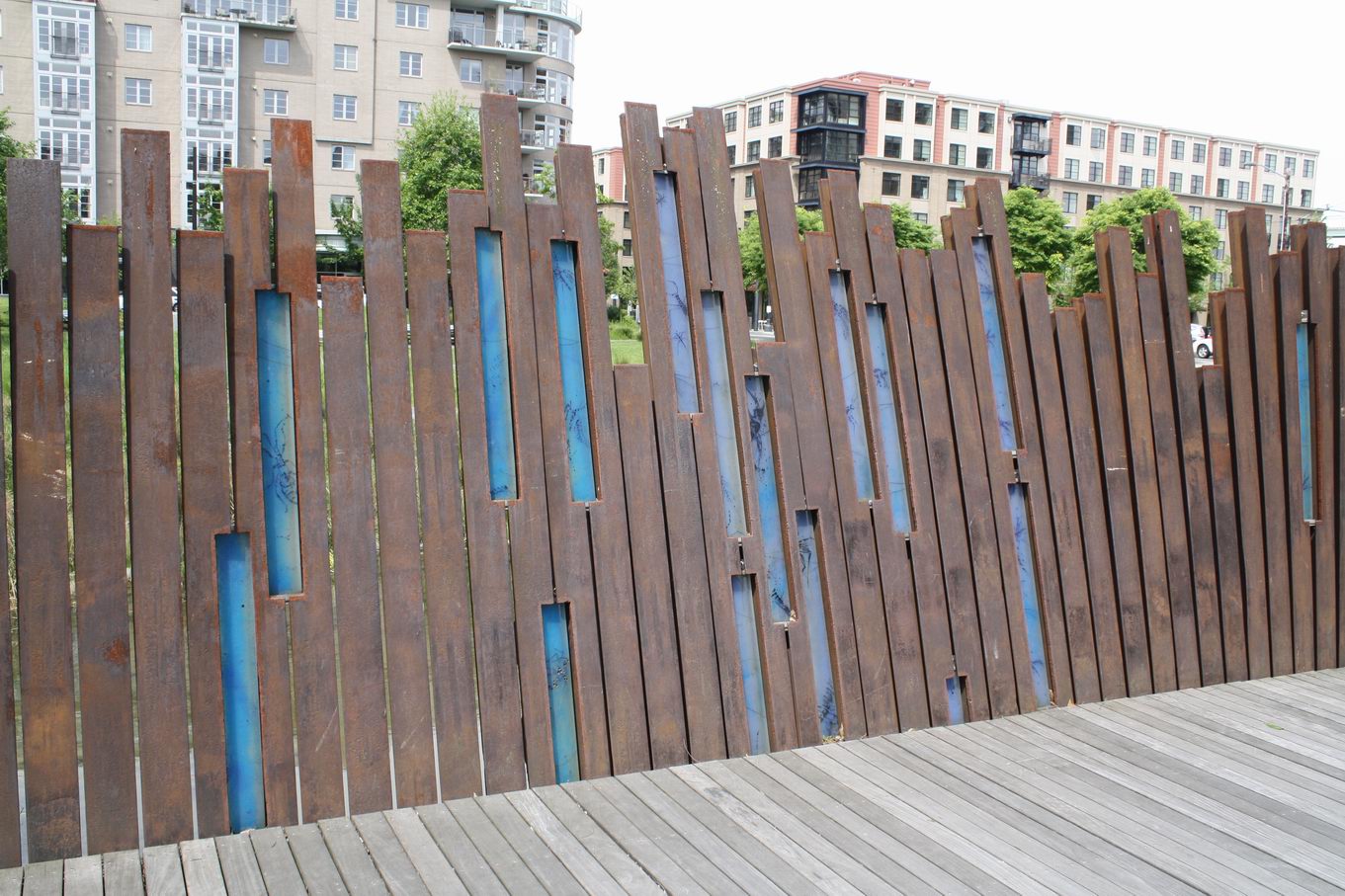
Some materials installed in the park also represent the industrial past of the city. Belgian blocks that pave some of the walkways were originally used as ballast on ships that navigated the Columbia River, and later used as surfacing for Portland’s streets. Also, an art installation at the east end of the park consists of a wavering wall of vertical rail tracks, interspersed with blue stained glass panels displaying images of insects – a merging of man-made and natural references. The rail tracks are relics of 19th century Portland.


A “spring” emerges from the ground in the prairie zone.


Water flows from the “spring” through a winding runnel.


Cobbled walkways transition to stone dust surfacing in the grassland zone.


A pond is situated at the east end of the park.


View to the west: pond in foreground, followed by wetland, native grassland, and Oak savannah prairie zones


Shelter, boardwalk, & rail track wall


Back (street) side of rail track wall

Photos by Alice Webb

RiverEast Center: A Sustainable Site


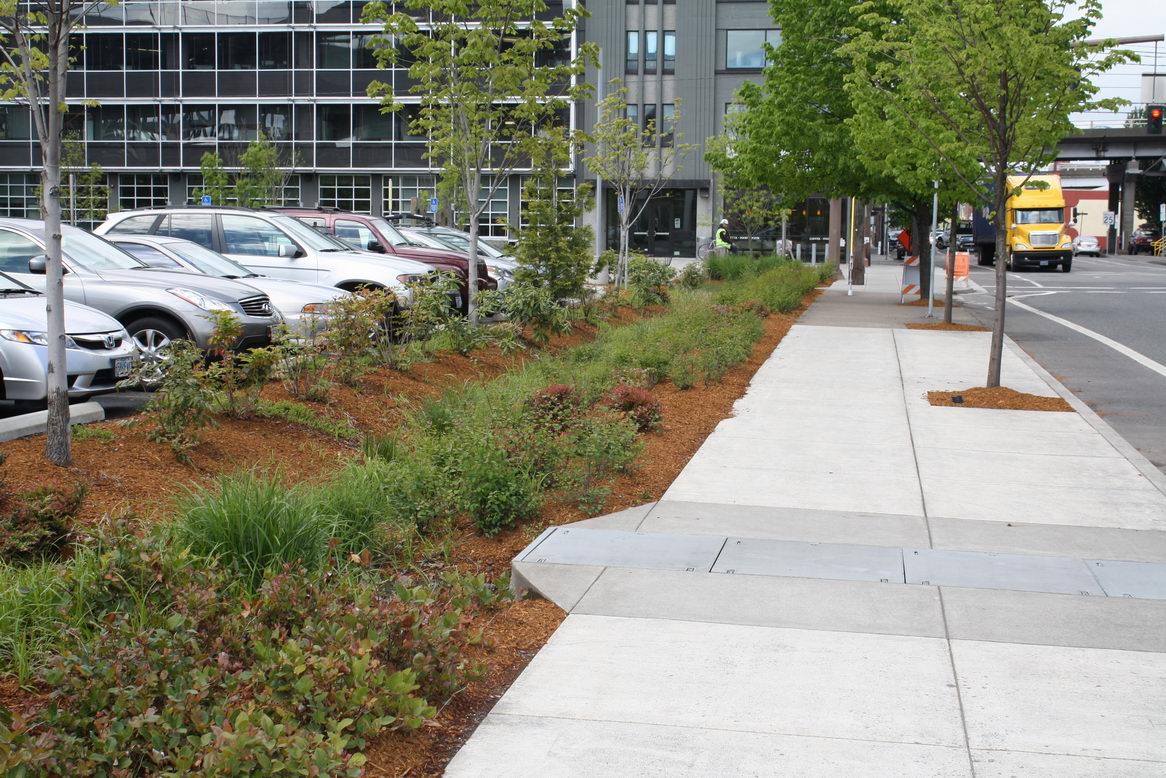
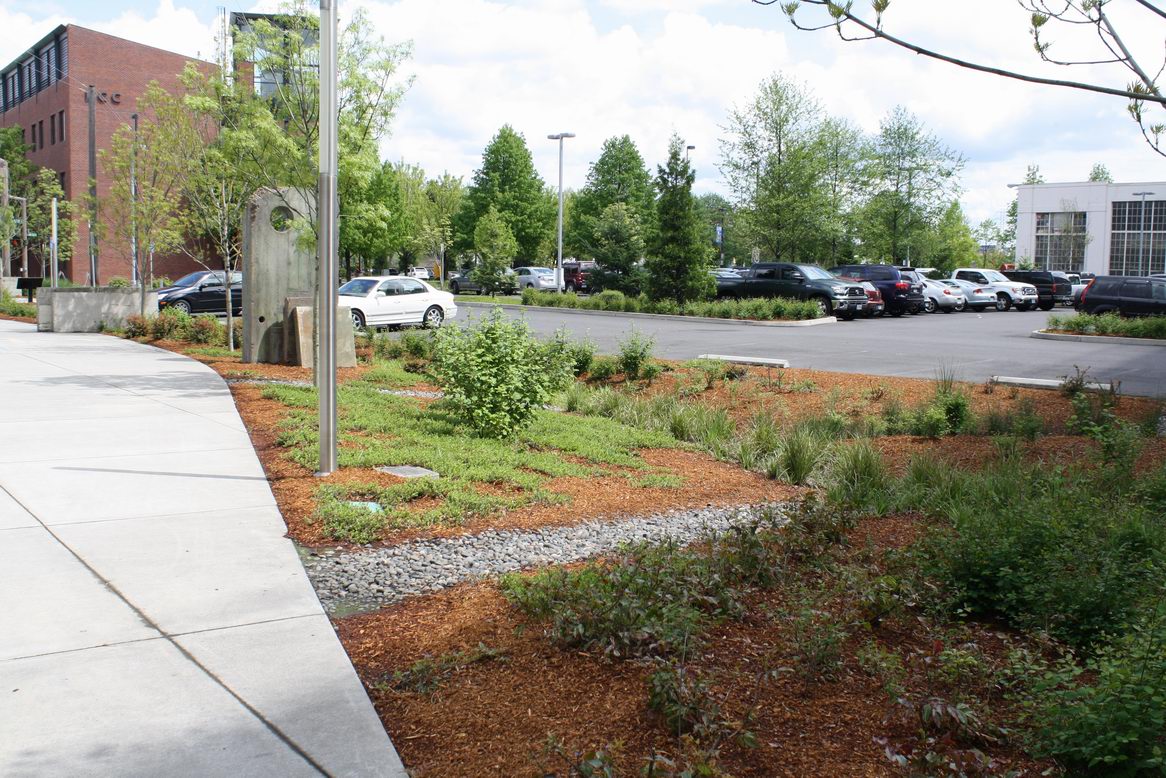
An example of a successful public-private partnership involving sustainable stormwater management is RiverEast Center in Portland, Oregon. The site includes numerous vegetated infiltration swales that filter and cleanse runoff from the parking lot, walkways, building roof, and adjacent public street. The swales were constructed at a gentle gradient to allow the water to readily soak into the soil, rather than be rapidly carried off to storm drains. Plantings, mulch, and stones cover all the unpaved surfaces; no high-maintenance turfgrass can be found on the property. The site also includes several recycled concrete slabs, set on edge, that serve as sculptural and functional elements. The office building is a renovated warehouse (with a new façade) that has achieved LEED gold certification from the U.S. Green Building Council.
 

A vegetated infiltration swale is situated between a pedestrian walkway and the parking area. This walkway connects to a bicycle/pedestrian path along the Willamette River.
 

This infiltration swale is located between parking bays. A raised storm drain at the end of each swale takes in excess stormwater during heavy rain events.
 

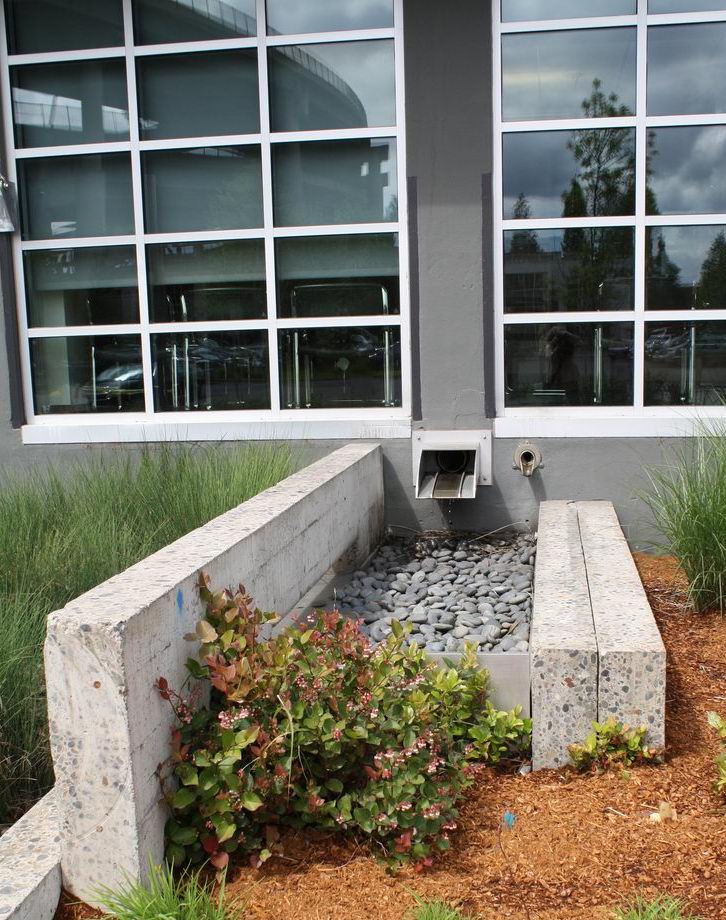
Roof water from a building scupper is slowed by a gravel bed (edged with recycled concrete slabs) and is then directed through a slot in the taller slab to a vegetated infiltration bed on the left side of this photo.
 

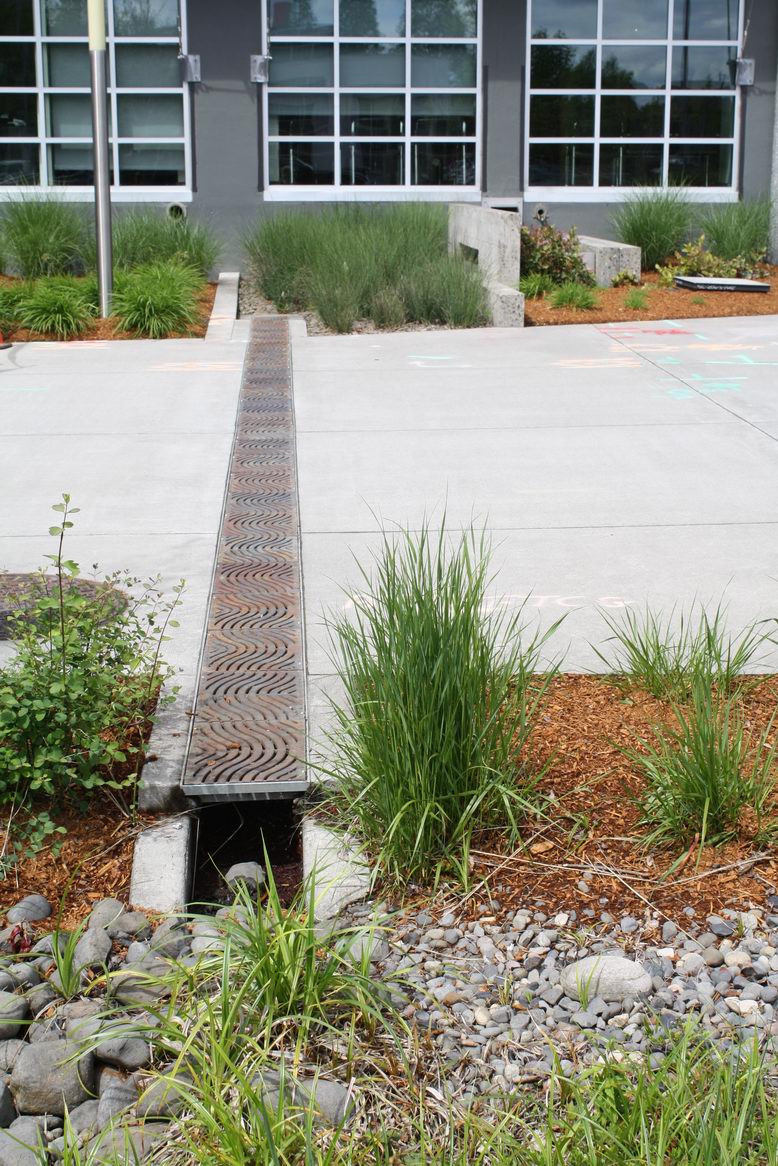
During heavy rain storms, roof runoff that can’t entirely soak through the plant bed next to the building is conveyed through this walkway channel into an infiltration swale.
 

Stormwater from the adjoining public street is directed through several walkway channels into the adjacent infiltration swale on the RiverEast Center property.
 
Photos by Alice Webb