Green Streets of Portland, Oregon

Portland, Oregon, is known as one of the greenest cities in the U.S., receiving high marks for public transportation, bicycle/carpool commuting, renewable energy usage, recycling, and number of LEED-certified buildings. It also has quite a few innovative environmentally-sustainable sites, including several “green streets”. These streetscapes incorporate special planters that decelerate runoff and filter pollutants from the water before it reaches the storm pipe system.

During a recent visit to Portland, I had the opportunity to see a couple of these green street projects in the downtown area: one on Southwest 12th Avenue within Portland State University, and another on Southwest Park Avenue across from Director Park. There are several other green streets scattered around the city, and many of these have their own unique design.

The 12th Avenue site was the first of its kind, built in 2005. In addition to its stormwater management function, it has enhanced the visual quality of the existing streetscape. In this case, stormwater flows into the first of four planters, and settles into the soil. During heavy storms, if the water level in this planter reaches more than 6 inches, the excess amount will flow back out into the gutter and then flow into the next planter for infiltration, repeating the process. Water exceeding 6 inches height in the last (lowest) planter will flow out to the street and enter the storm drain system. The number of planters functioning in this manner depends on the intensity and duration of each rain event. The planters are filled with a native species called Grooved Rush (Juncus patens), and each also includes a Black Gum tree (Nyssa sylvatica). Both of these species tolerate saturated soil conditions. In addition, a 3’-wide strip of pavers is located along the street side, providing space for access to parked cars. Pedestrian walkways are also situated between the planters, bounded by small shrubs.
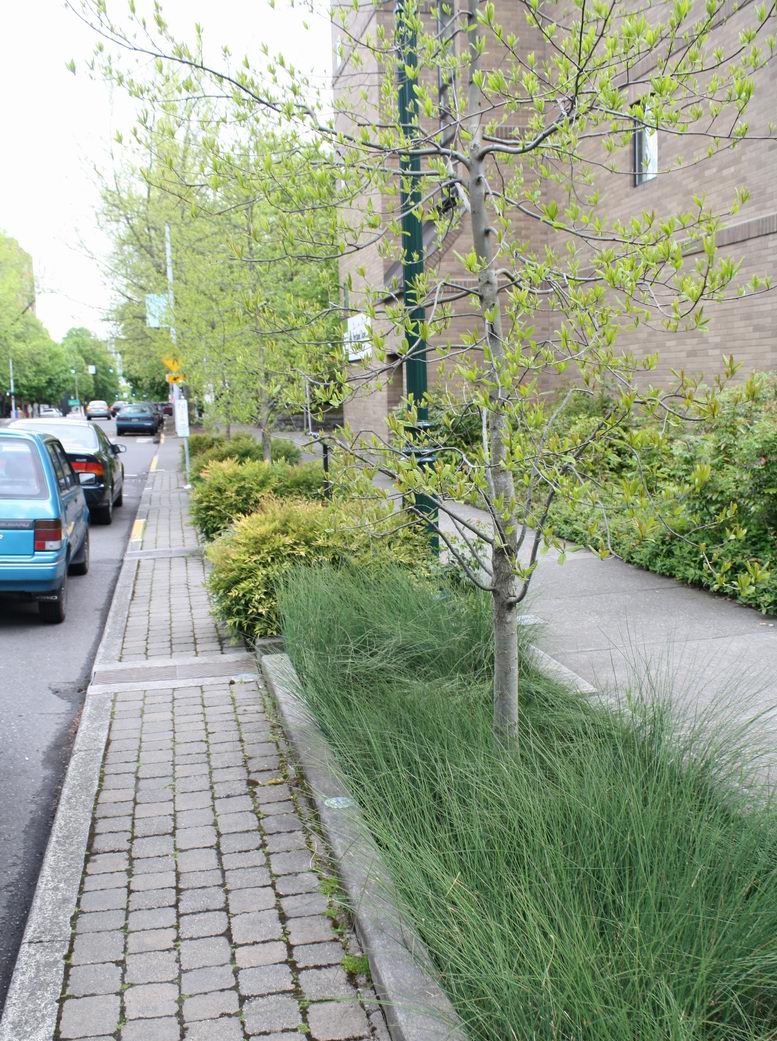

The Southwest 12th Avenue planters include a strip of pavers for parked vehicle access.
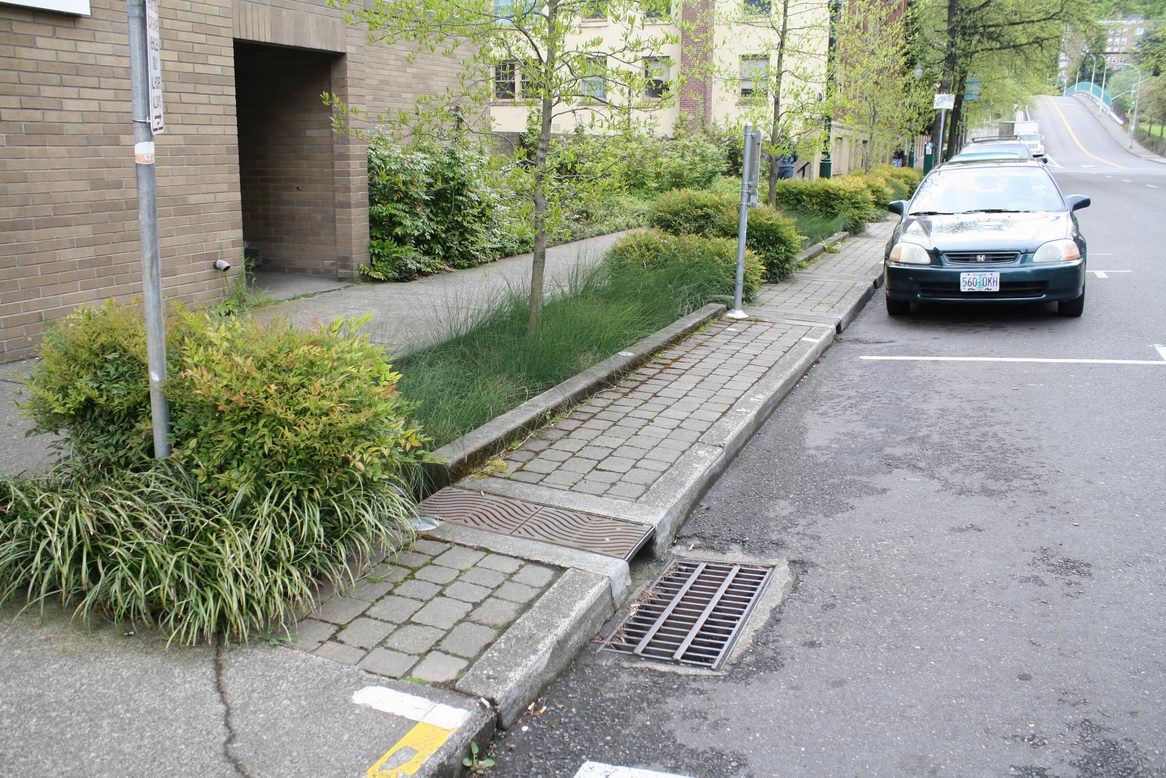

Excess runoff from the lowest planter enters the storm drain system.


The planters and vegetation fit nicely into the urban streetscape.


Each street-side planter inlet includes a small hump in the asphalt to direct water into the planter.

The planters on Park Avenue are designed in a different manner. The largest planter (pictured below) is divided into three sections. Water enters the planters from drain inlets along the street side, and from gaps in the curbing along the sidewalk. When water in the highest planter section exceeds the height of the divider during large rain events, that runoff will flow over the divider into the next section. Most of the water will filter into the soil in the planters, but during the heaviest storms it may reach the third (lowest) planter section. If the water level in this section reaches the height of the elevated drain inlet located within it, this excess water will enter the inlet and flow into the storm pipe system.
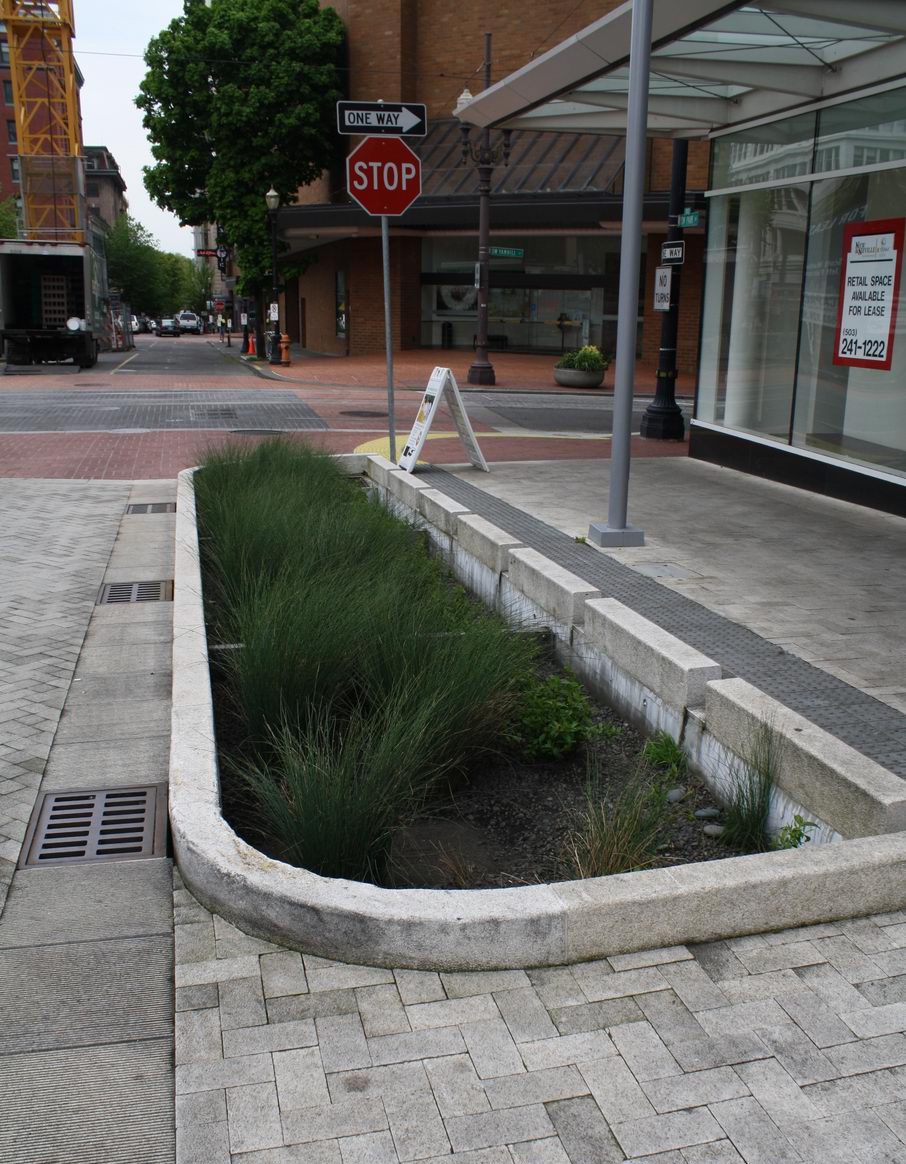

Southwest Park Avenue planter with drain inlets connecting to each divided section
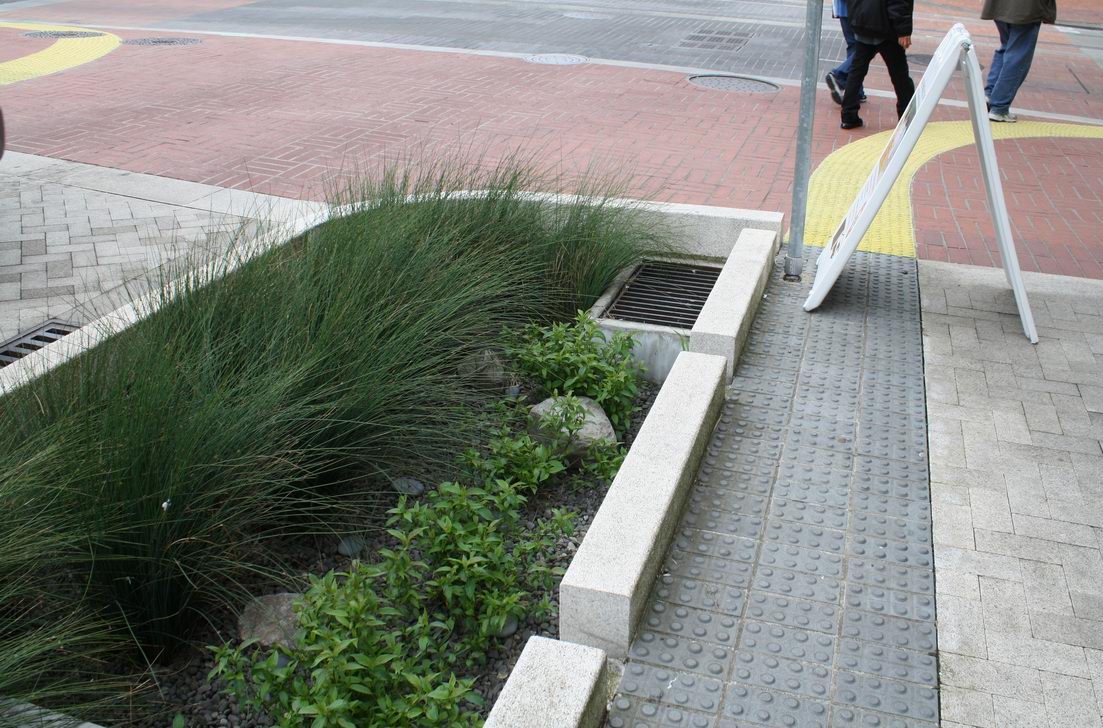

Raised drain inlet within the lowest planter section


Gaps in curbing along the sidewalk receive runoff.


One of several individual tree planters along Southwest Park Avenue only receives runoff from the walkway side. A small raised drain in the planter takes in excess water during heavy storms.

Photos by Alice Webb

National Public Gardens Day

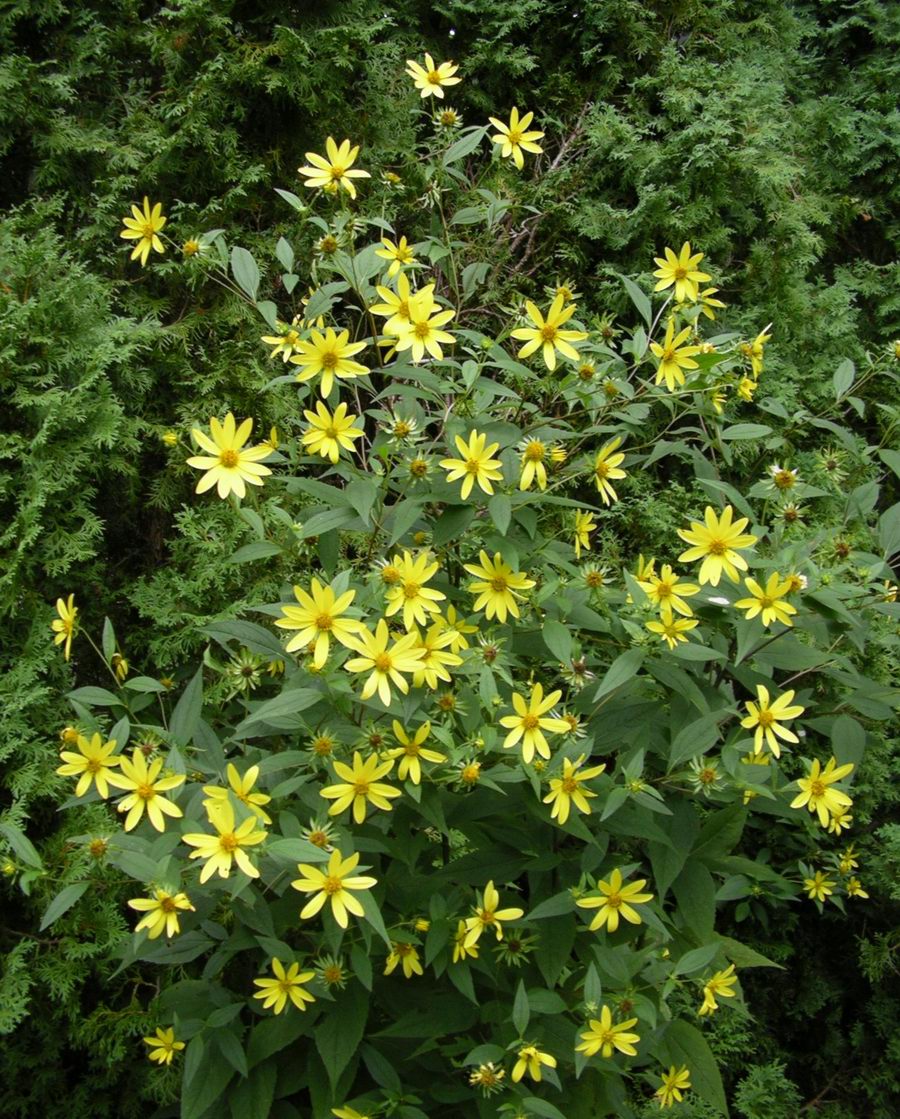
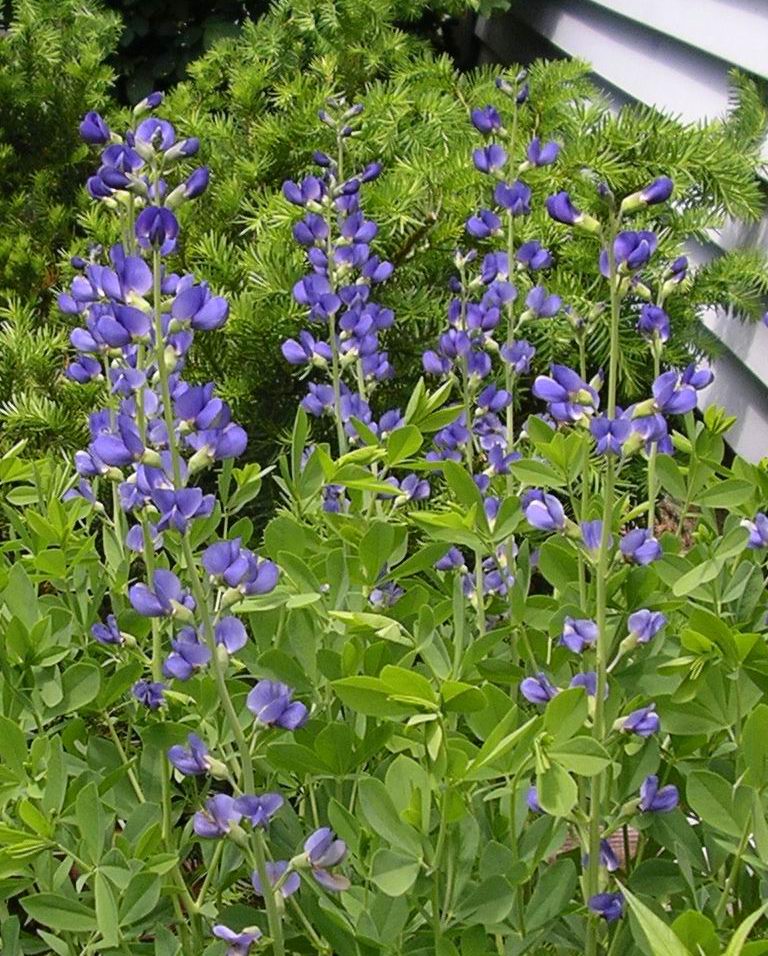
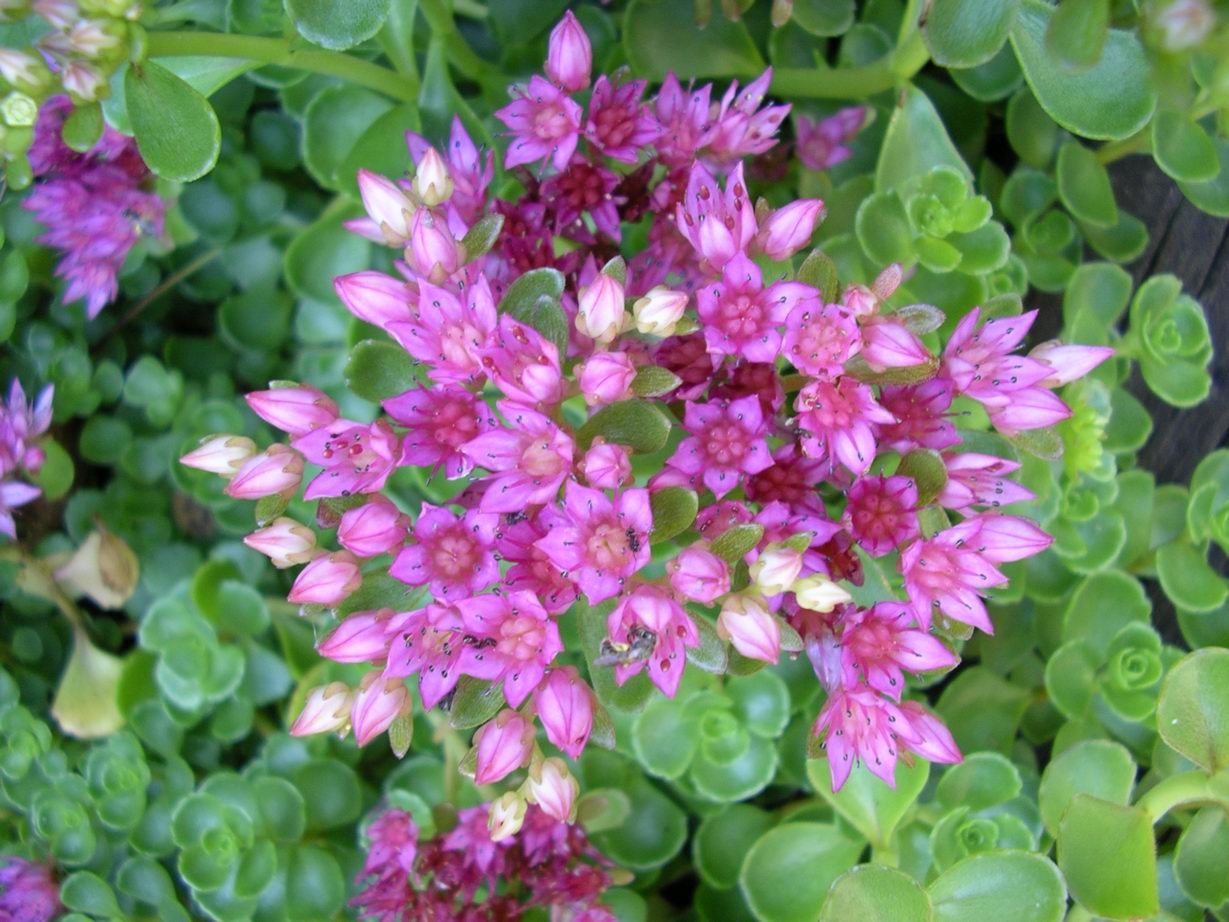
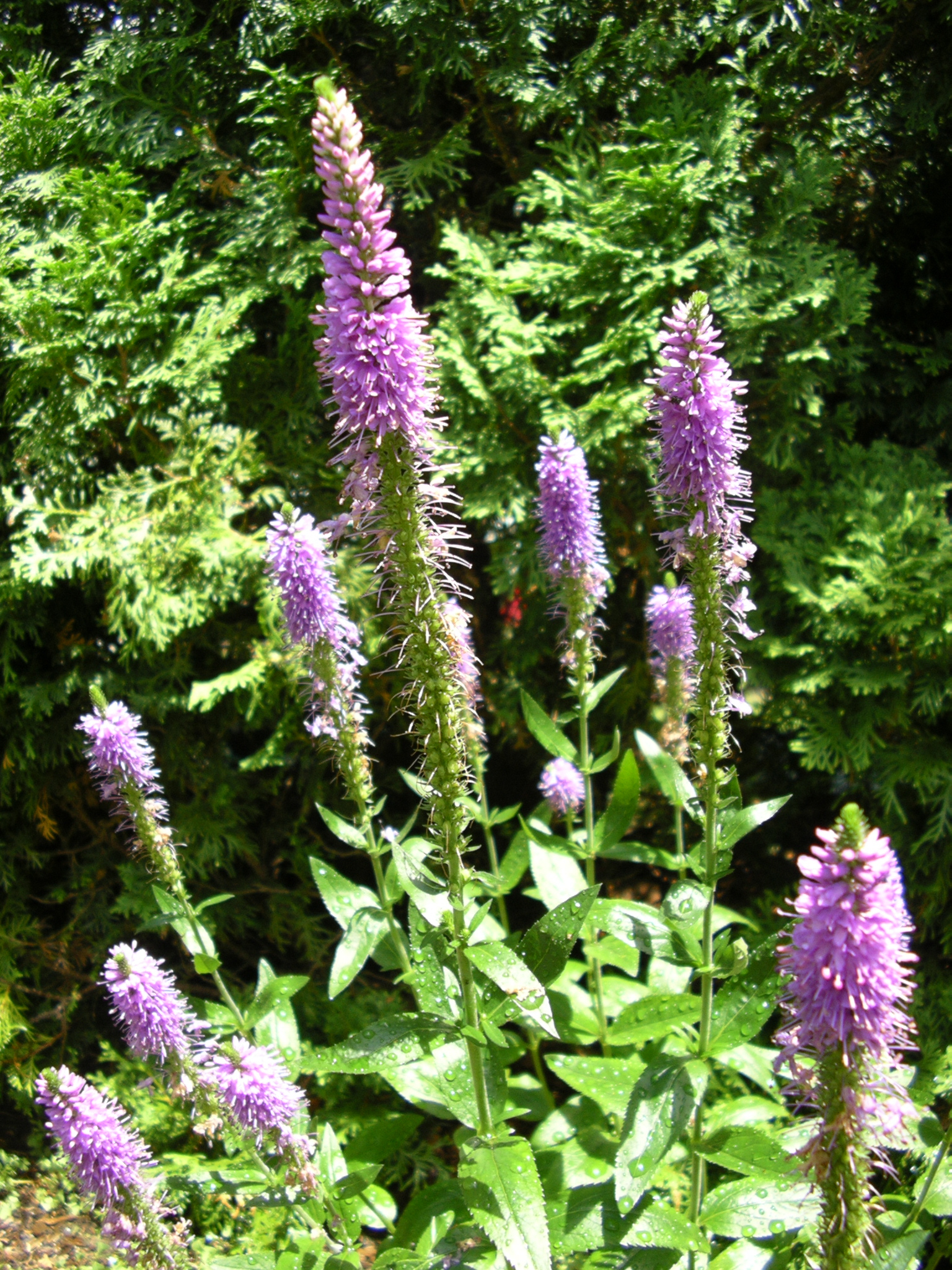
Today, May 6th, is the third annual National Public Gardens Day in the U.S. Its purpose is to highlight public gardens across the nation and to emphasize the important roles they play in plant/water conservation, environmental stewardship, education, and provision of green/open space. In celebration of this day, below is a sampling of a few favorite plants from my own private garden. (Photos were taken from May through October, depending on period of bloom).


 Enkianthus campanulatus ‘Red Velvet’


 Helianthus x ‘Lemon Queen’


 Hemerocallis x ‘Frans Hals’ (Daylily)


 Nipponanthemum nipponicum (Montauk Daisy)


 Baptisia australis (False Indigo)


 Clethra alnifolia ‘Hummingbird’


 Sedum x ‘John Creech’


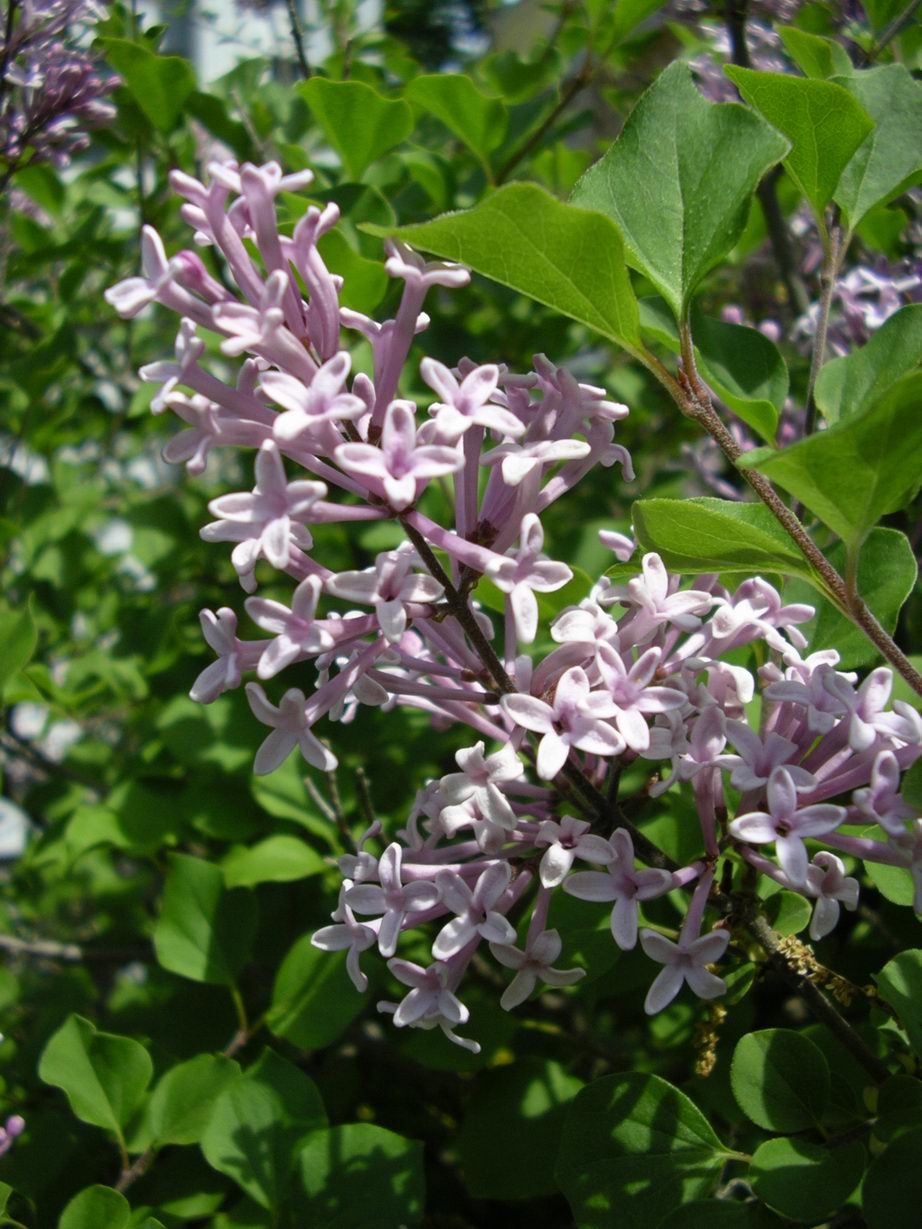
 Syringa meyeri ‘Palibin’ (Dwarf Lilac)


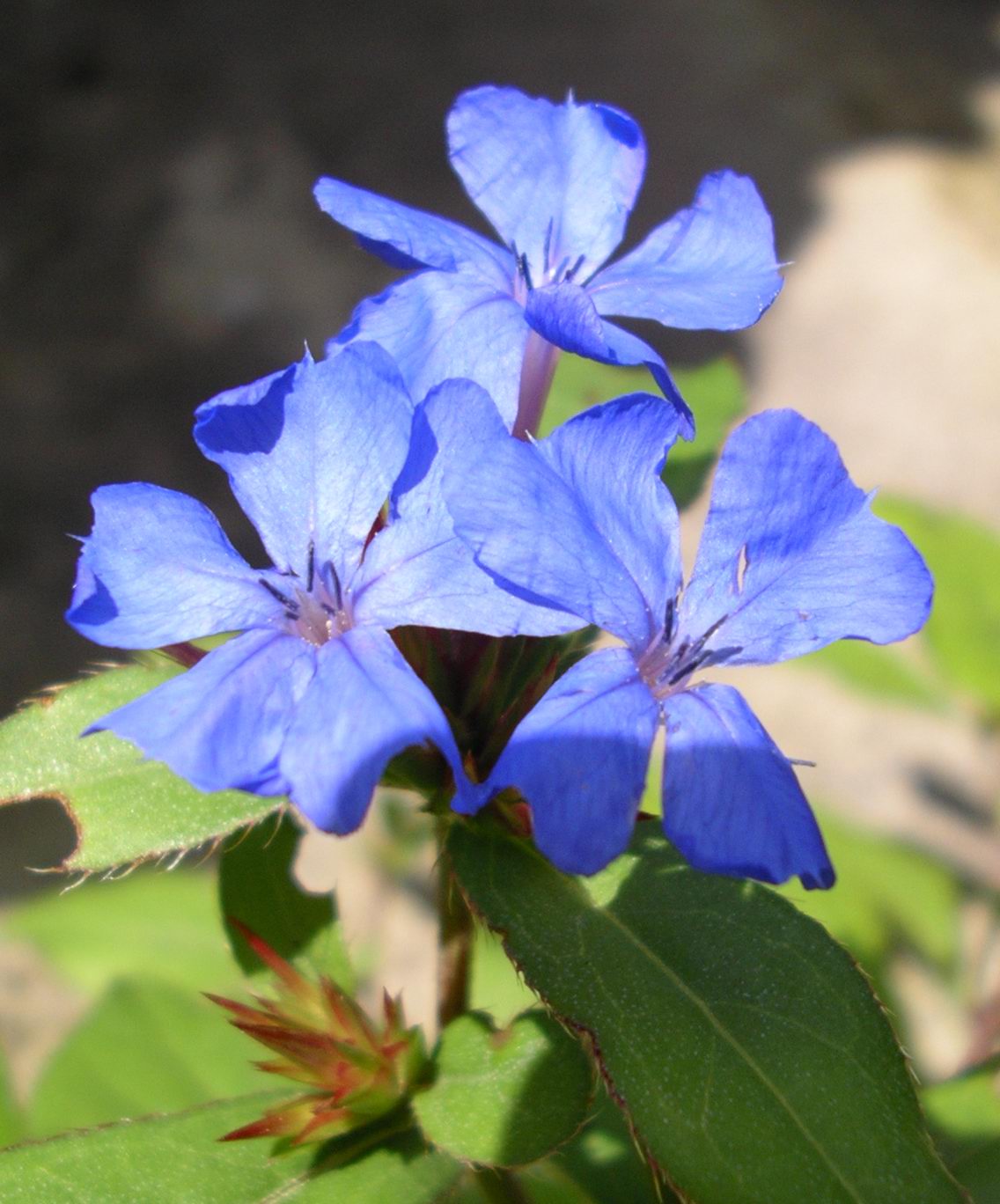
 Ceratostigma plumbaginoides (Plumbago)


 Veronica spicata ‘Purpleicious’


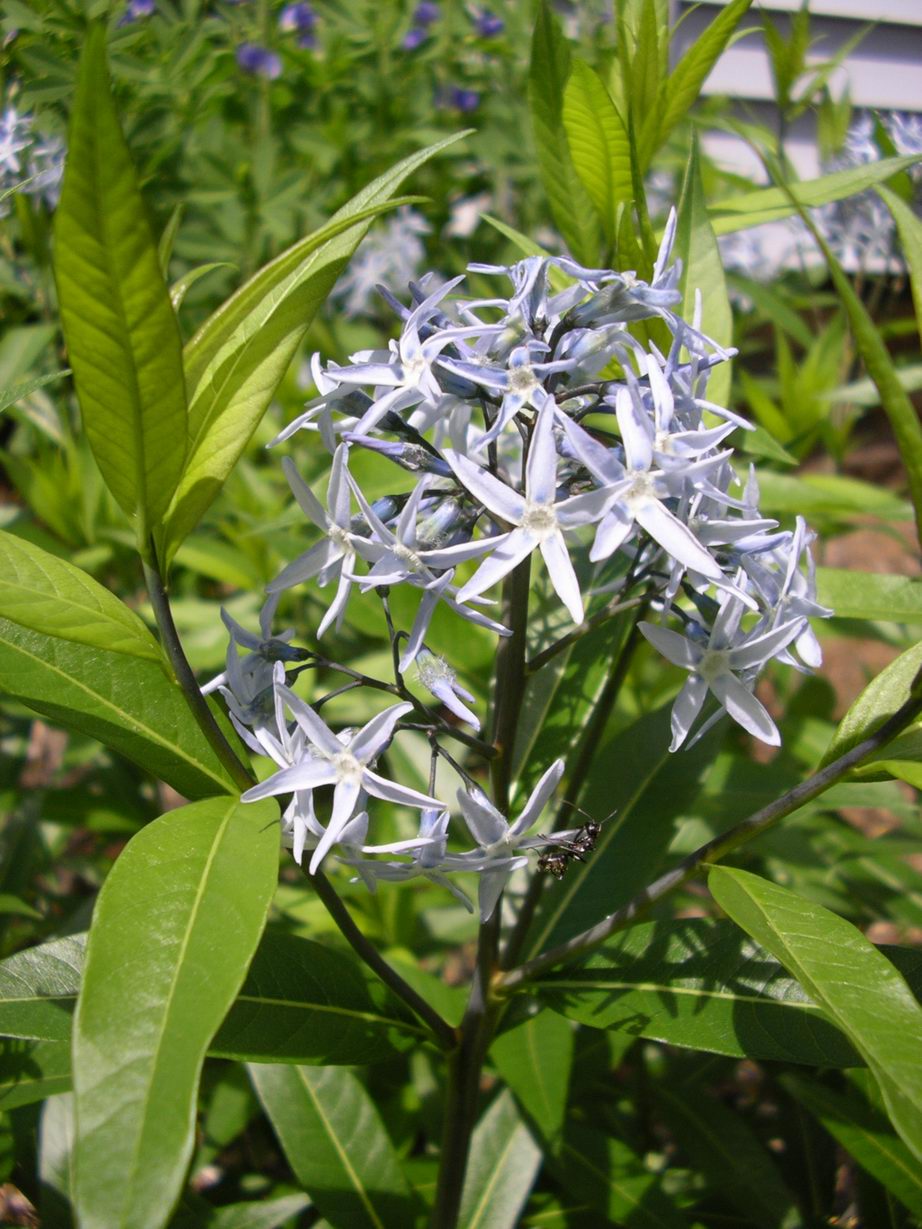
 Amsonia tabernaemontana (Blue Star)

Photos by Alice Webb

Myrtle Beach Boardwalk & Promenade


On a recent trip to Myrtle Beach, South Carolina, I had the opportunity to walk the new Oceanfront Boardwalk & Promenade. The 1.2-mile long walkway runs between two piers (at 2nd and 14th Avenues North), and is situated behind the sand dunes along the beach. The southern section, called the Promenade, is a linear park consisting of a 12’-wide concrete walkway that meanders through lush landscaping. It also includes several narrower looped paths off the main walk, as well as raised beach access connections. Flanking this area is a row of older hotels. To the north of the Promenade is a wide section of wooden boardwalk, located in a zone of beachfront shops and cafes. The final segment is a narrower, winding boardwalk that connects with the 14th Street Pier.

I like the winding layout of the Promenade walkway, with the gray colored concrete strip in the middle, lined by exposed aggregate concrete along each side (the same gray concrete mixed with white shell fragments, in this case). Also, the secondary loop walkways have a nice pitted texture for variation. The only color choice for surfacing that I don’t particularly like is the mottled coloration of the bricks used at maintenance vehicle access crossings and in combination with concrete beneath the canopied areas along the walkway. A solid color would have looked more harmonious with the other materials used for this project.

Palmetto trees are abundant along this linear section of park, along with beds of various evergreen shrubs and ornamental grasses. These low plants contrast nicely with each other, and make an effective visual transition to the more natural-appearing grass plantings on the sand side of the walkway. An occasional grove of Live Oaks would have been nice, breaking up the monotony of the Palmettos, but I understand that these would have blocked ocean views from the lower floors of the hotels. However, natural salt spray pruning would keep the oaks at a small size.

Wood decking was used for the wider boardwalk areas – although higher-maintenance than recycled plastic planks, the wood is aesthetically pleasing and it evokes nostalgia of historic beachside boardwalks. I like the checkerboard pattern of the wood decking, in addition to the light fixtures and other site amenities.

My least favorite section of the Boardwalk & Promenade is the northern segment. It consists of a winding 8’-wide boardwalk that connects with the 14th Avenue Pier at its terminus. Although there is less real estate in this area between private properties and beach, this walk should have been around 12’ wide (like the Promenade walkway). The curving layout of the boardwalk also has an awkward appearance, and the narrow width makes it seem like a cattle corral.

Overall, the new Boardwalk & Promenade is a huge improvement to this section of Myrtle Beach. It offers visitors an alternative to walking on the beach, and one round trip of 2.4 miles can provide plenty of exercise. It will also likely spur more upscale development than what currently exists in this part of the beach.


The Promenade, as viewed from the 2nd Avenue Pier


A section of the Promenade with ornamental grasses


The widest segment of the Boardwalk, with a good view of the beach & ocean


This section of boardwalk is adjacent to shops and cafes.


The narrow north portion of boardwalk connects to the 14th Avenue Pier.

Photos by Alice Webb

Hemlock Bluffs Nature Preserve


About 20 years ago, I designed a system of trails, observation decks, steps, and boardwalks for a 136-acre nature preserve in Cary, North Carolina. It was an absolute delight to work on this project, because Hemlock Bluffs is such a magical place – a natural oasis within an area of suburban development. It features a series of tall north-facing bluffs that shelter a community of Eastern Hemlocks. This is unusual because these trees typically do not grow naturally in the piedmont region of North Carolina – this species is much more common in the cooler Appalachian Mountains more than 200 miles to the west. In addition, the preserve includes an extensive upland forest and a wooded floodplain area with vernal pools and a rich variety of plants.


A system of steps takes visitors down along the bluffs.


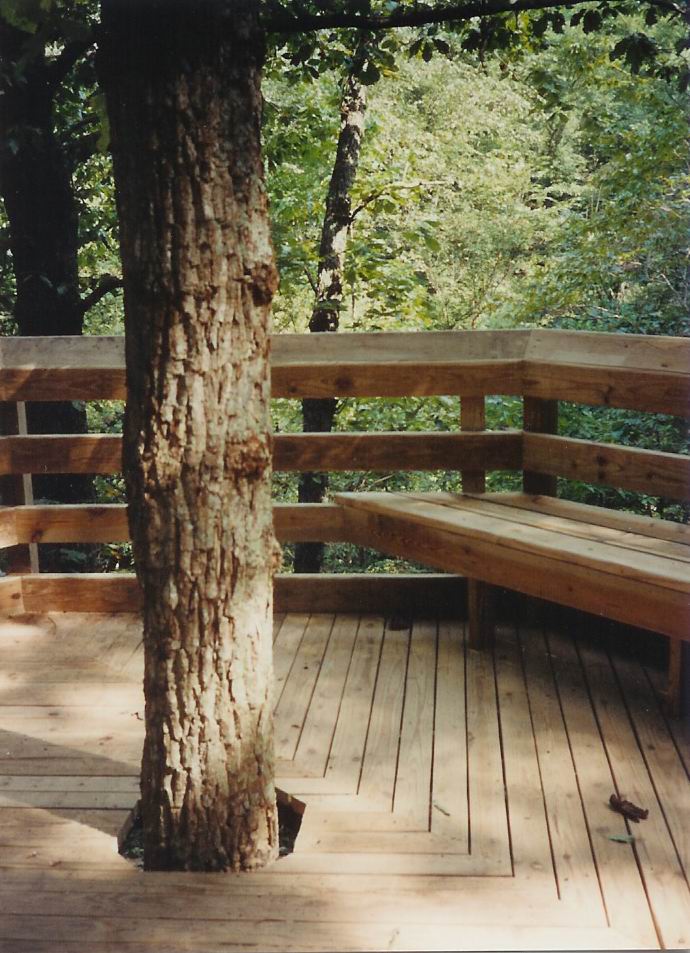
One of several observation decks affords views of large Hemlock trees growing on the bluffs.


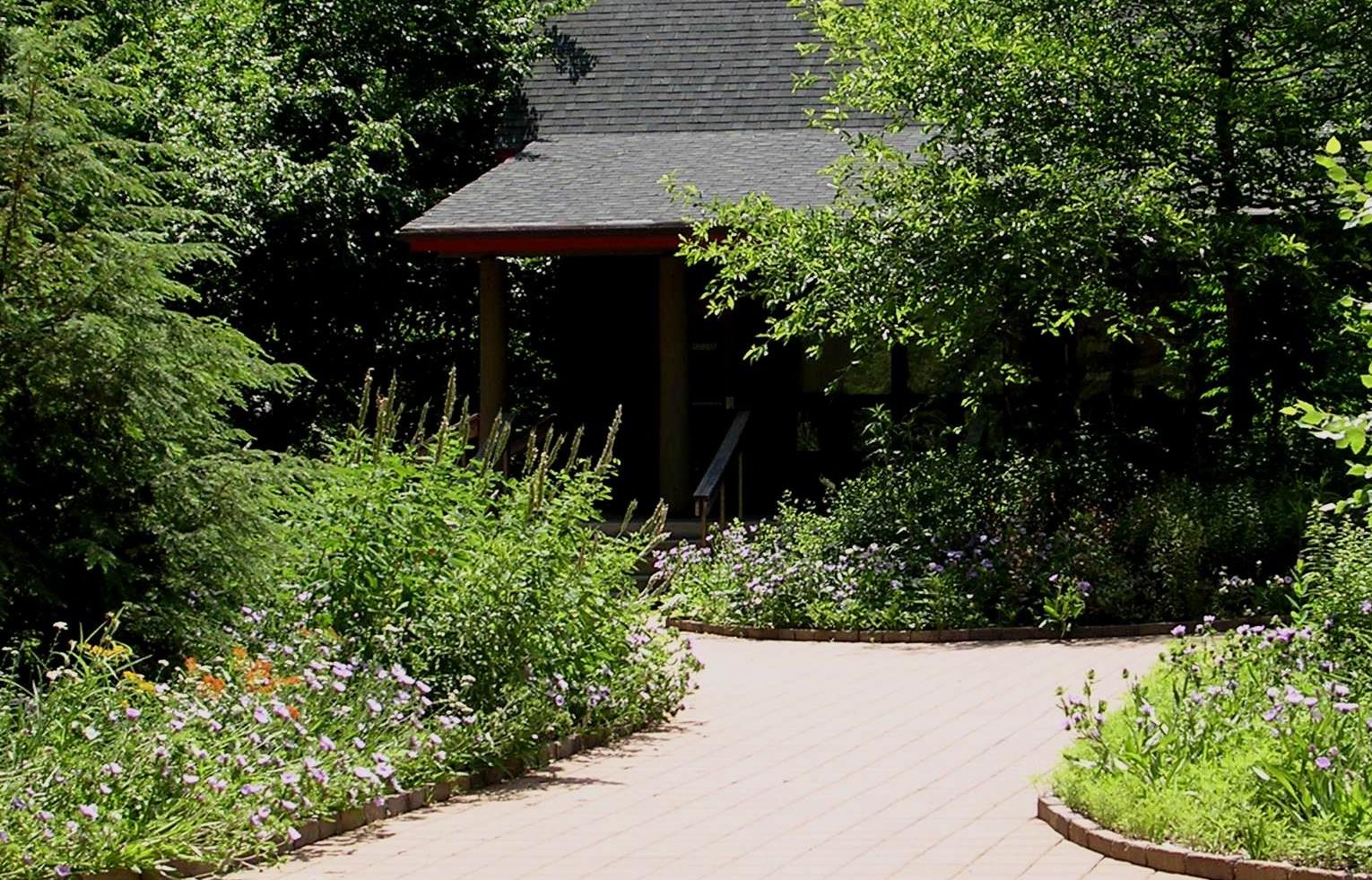
Plant beds near the Stevens Nature Center building are filled with native wildflowers and trees.


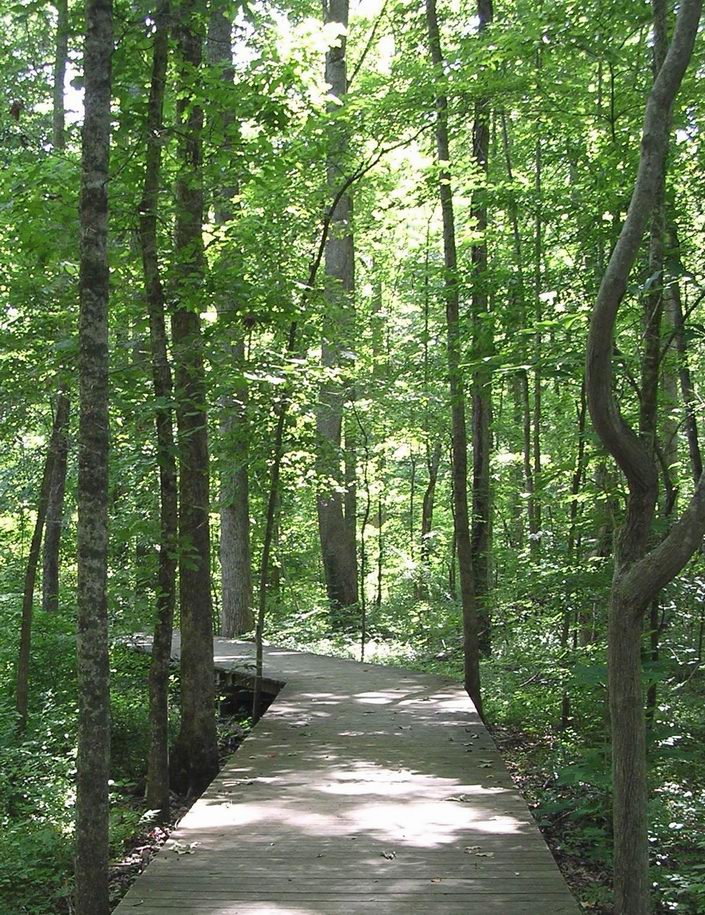
A boardwalk meanders through a lush floodplain.

Photos by Alice Webb

Winter Garden Scenes

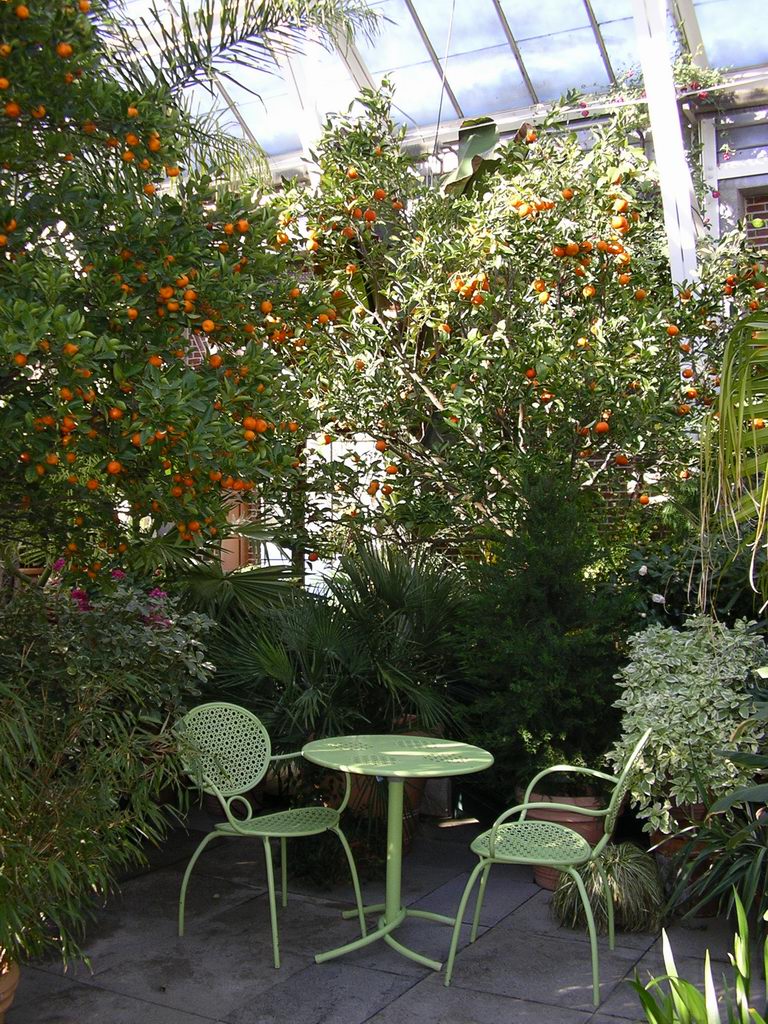
I recently spent a part of an afternoon at Tower Hill Botanic Garden, in Boylston, Massachusetts, which is a short 15-minute drive from my home. It’s always an inspiring place to visit, regardless of the season. In November they opened the second of two indoor winter plant spaces, called the Limonaia (Lemon House), primarily containing their Citrus and Camellia collections. The Orangerie is the original indoor plant wing, which is full of gorgeous tropical plants, including orange trees, of course. These two wings are delightful places to spend a cold winter day, where you can imagine yourself in a more southerly clime.

The outdoor spaces are still beautiful during winter, though. The walkway that meanders along the perimeter of the Lawn Garden has been cleared of snow, so I took a stroll down this path for some fresh air and photos. There are several other garden areas that aren’t currently accessible, but I plan to return during the spring or summer and write about these in a future post.


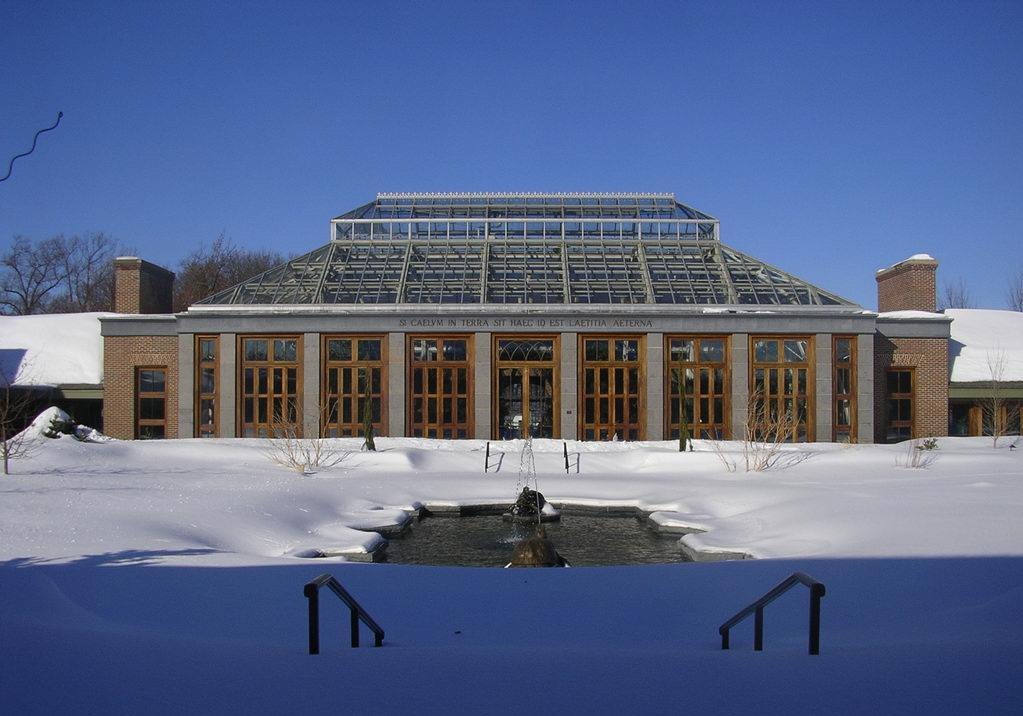
This is the new Winter Garden, situated between the Orangerie (building wing in background), and the Limonaia. An unusually deep snow cover hides most of the plantings.


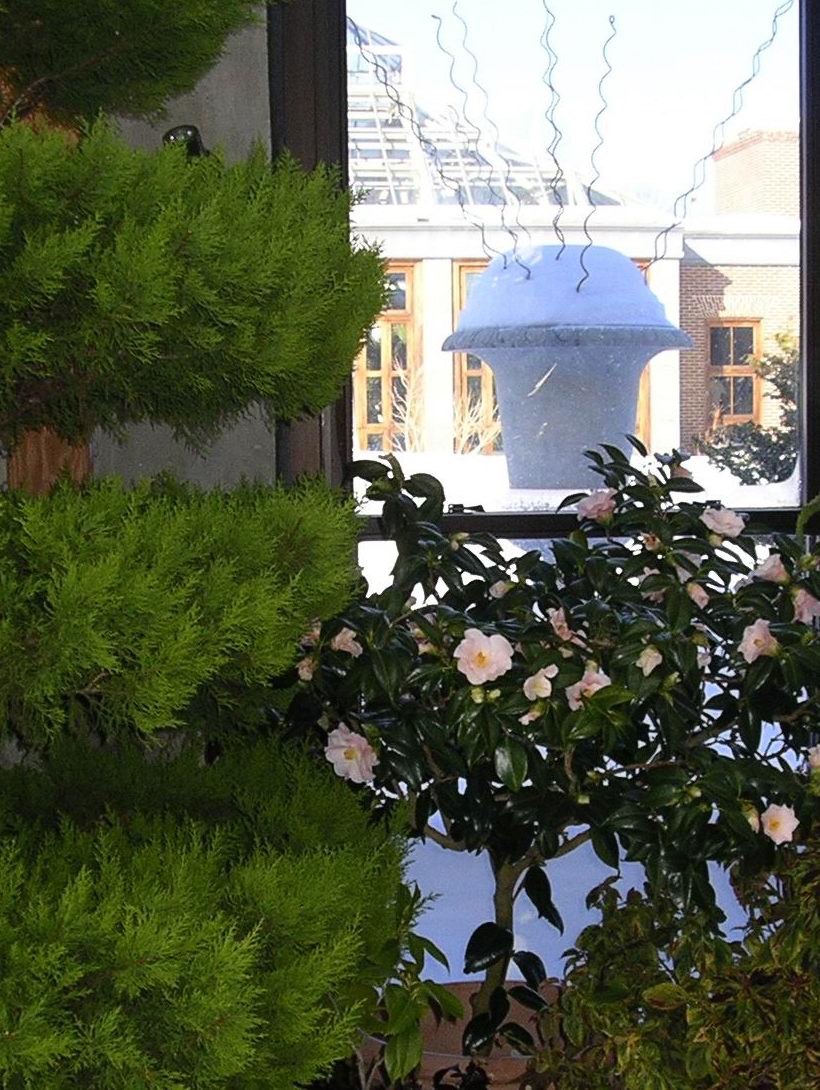
View from the Limonaia toward the Winter Garden


One of several seating nooks in the Orangerie


Path along the perimeter of the Lawn Garden


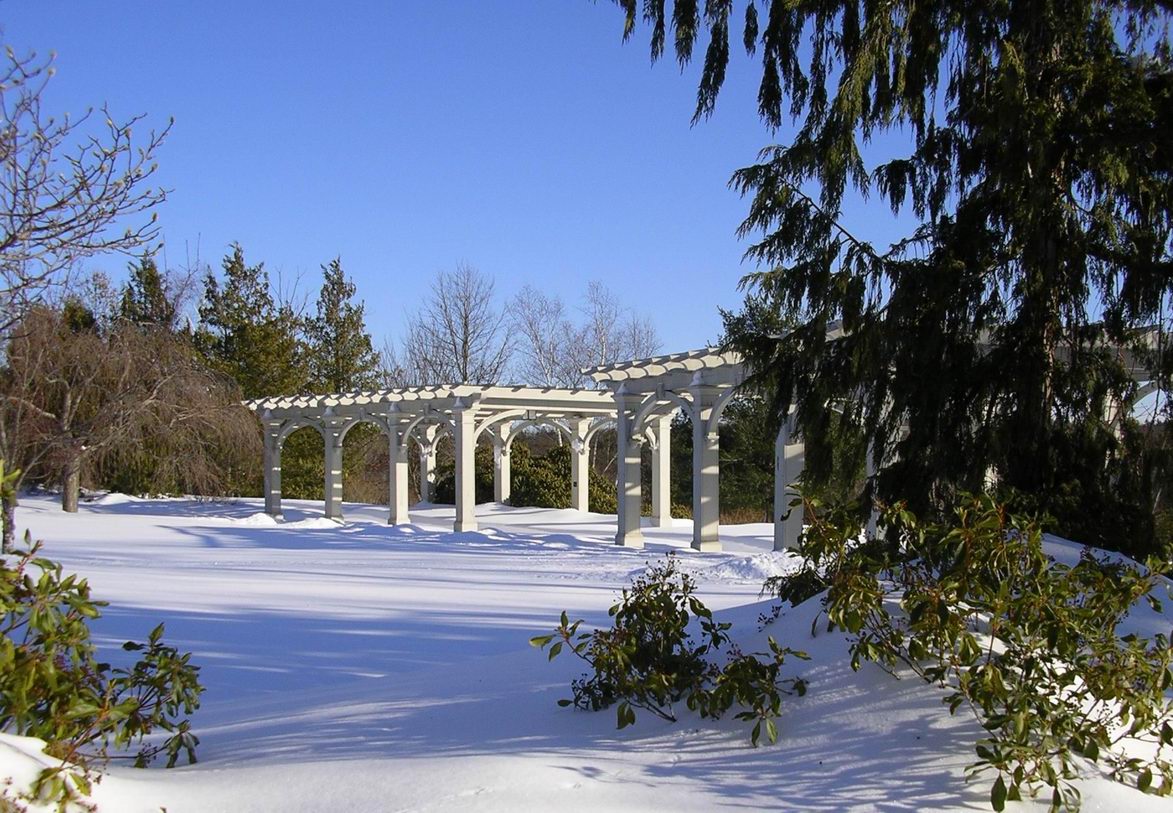
Pergolas on the south side of the Lawn Garden


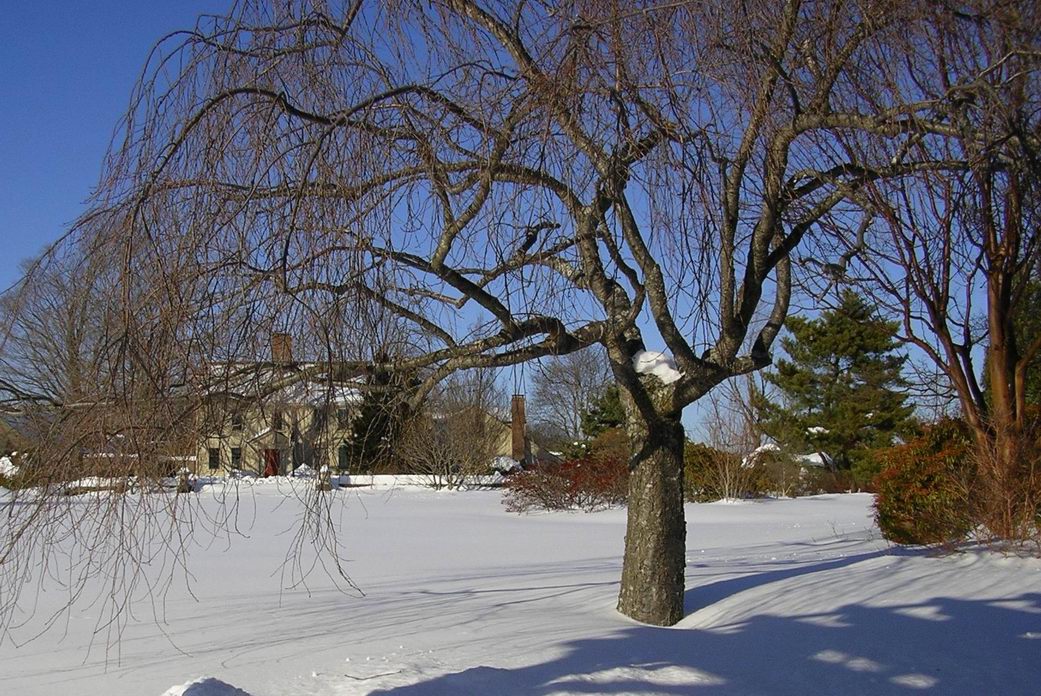
View toward the botanic garden buildings, including an old farm house with staff offices


Colorful winter scenery

For more information on Tower Hill Botanic Garden, visit http://www.towerhillbg.org/

Photos by Alice Webb
Newton Hill at Elm Park


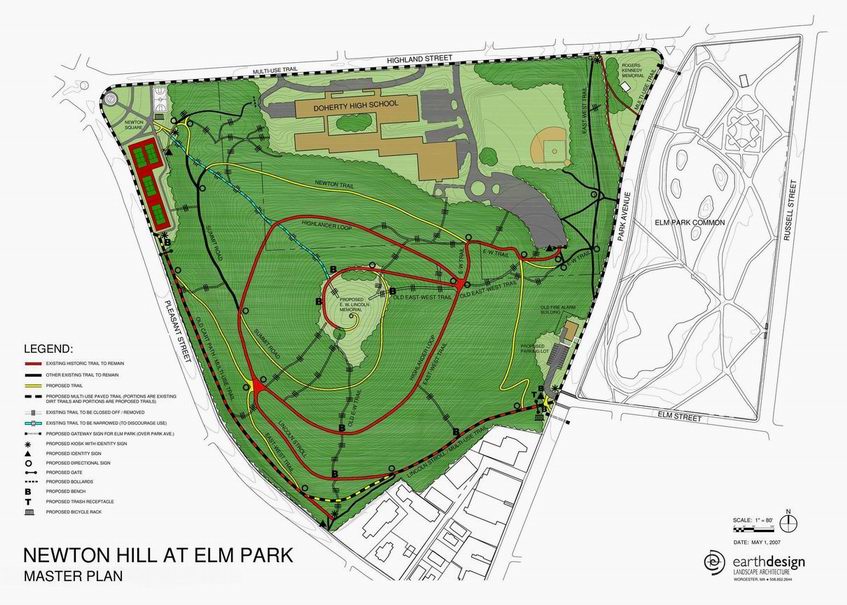
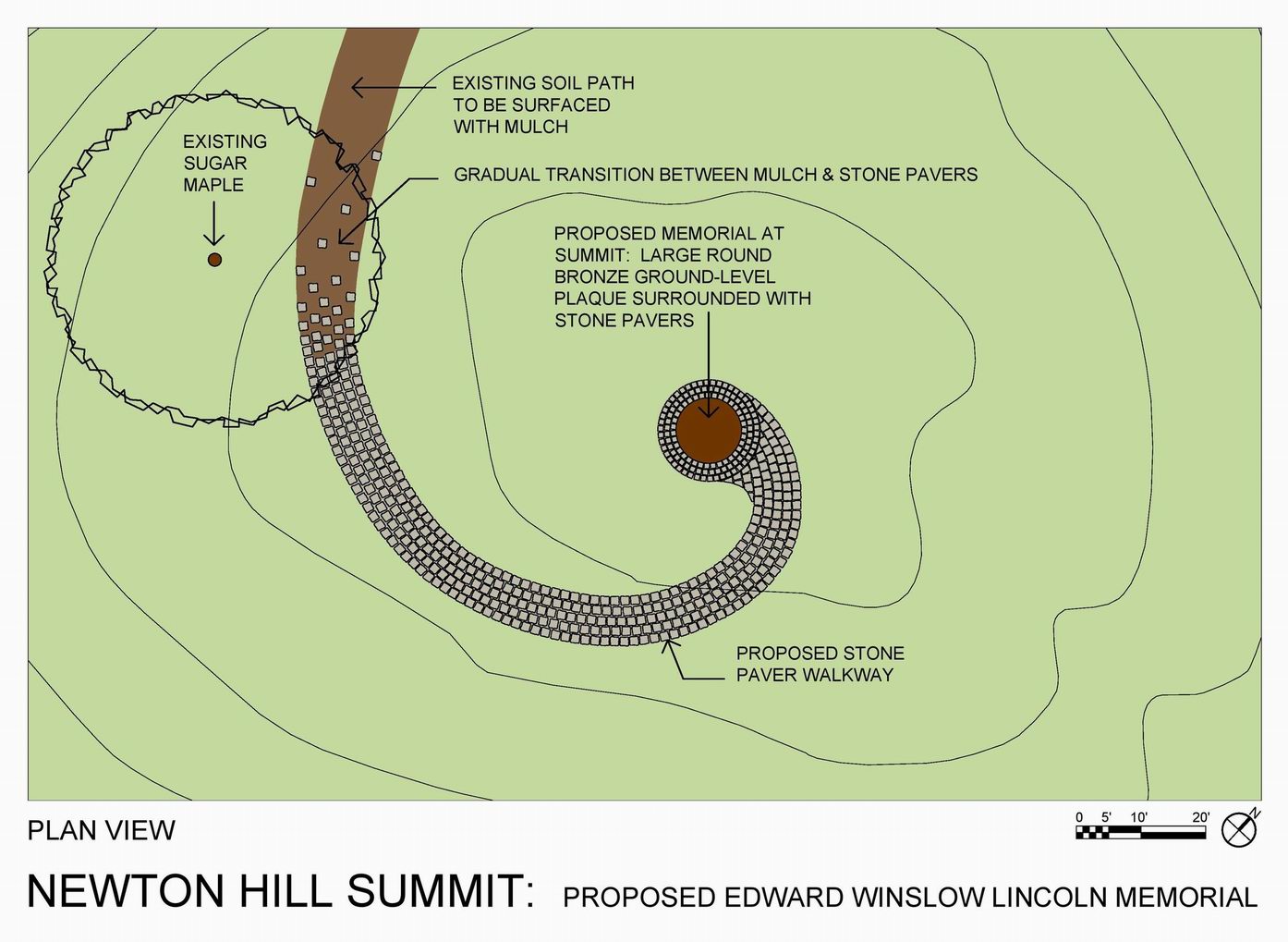
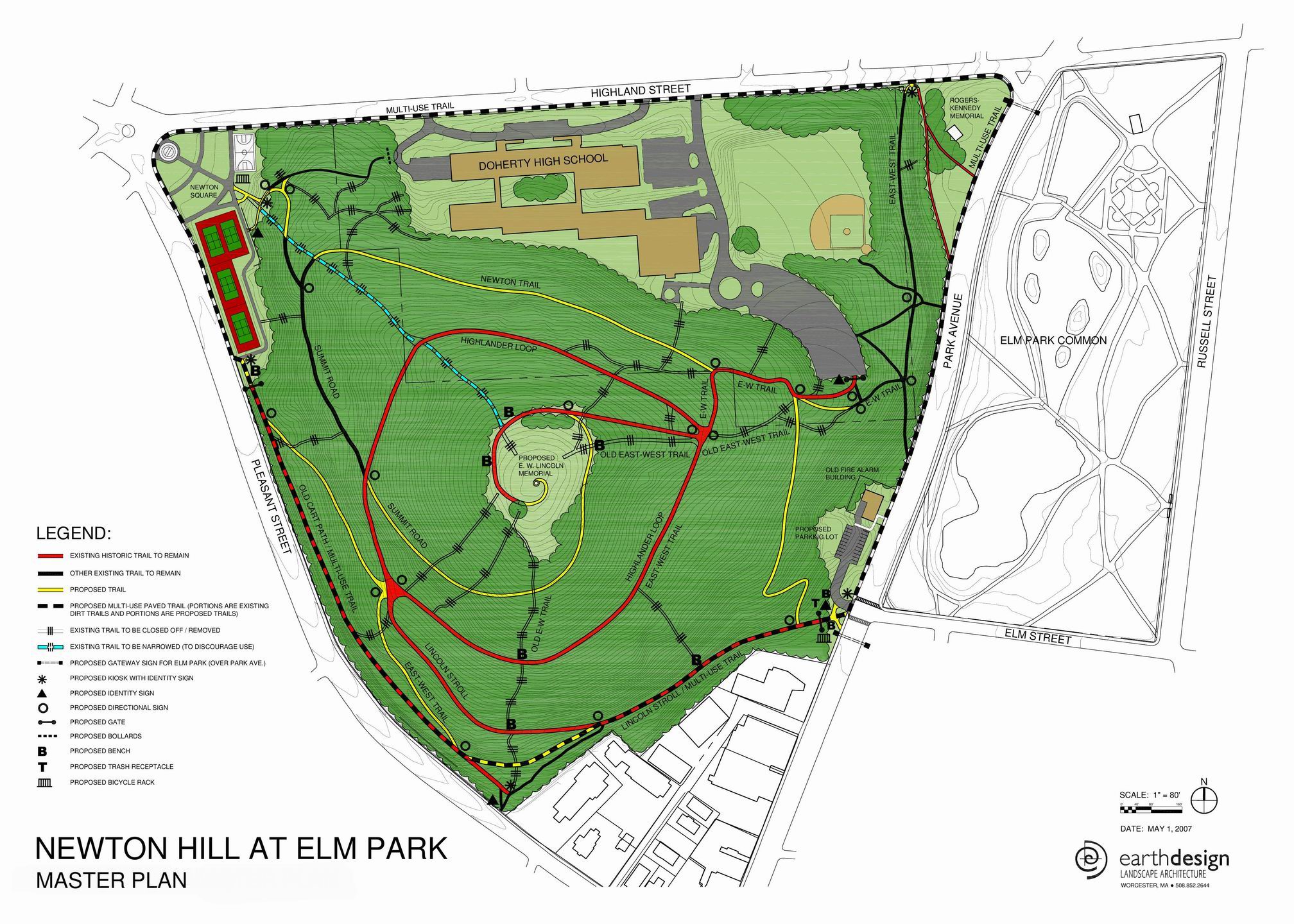
Worcester, Massachusetts, is known for its numerous hills. One of those high points, called Newton Hill, is part of historic Elm Park. It was acquired by the city in the late 1800s and a system of trails was built at that time. My company, EarthDesign Landscape Architecture LLC, designed a master plan for Newton Hill in 2007, which retains the historic trails (shown in red in the plan above), adds some new ones, and eliminates steep unplanned paths. A paved multi-purpose loop trail is also proposed along the perimeter, near the street level, and improvements are recommended to trailheads along the adjacent streets. In addition, a memorial at the top of the hill is planned that will celebrate Edward Winslow Lincoln, the chairman of the Worcester Parks Commission for 26 years in the late 1800s, who was instrumental in the city’s acquisition of the Newton Hill property.


The original system of trails gradually winds up the wooded slope, and one of these pathways fades out where the forest opens up to a grassy summit. The plan includes a continuation of this trail, to be surfaced with stone pavers, spiraling up the hillside and terminating at the memorial site at the top (as shown in the plan detail above). All components of the memorial would be at ground level, for two reasons. First, we wanted it have a low visual impact on the landscape and to contain an element of surprise, not revealing itself until one reaches the top of the hill. Secondly, we wanted to avoid including any vertical elements that might be attractive to vandals, mainly because a high school is situated adjacent to the park site.

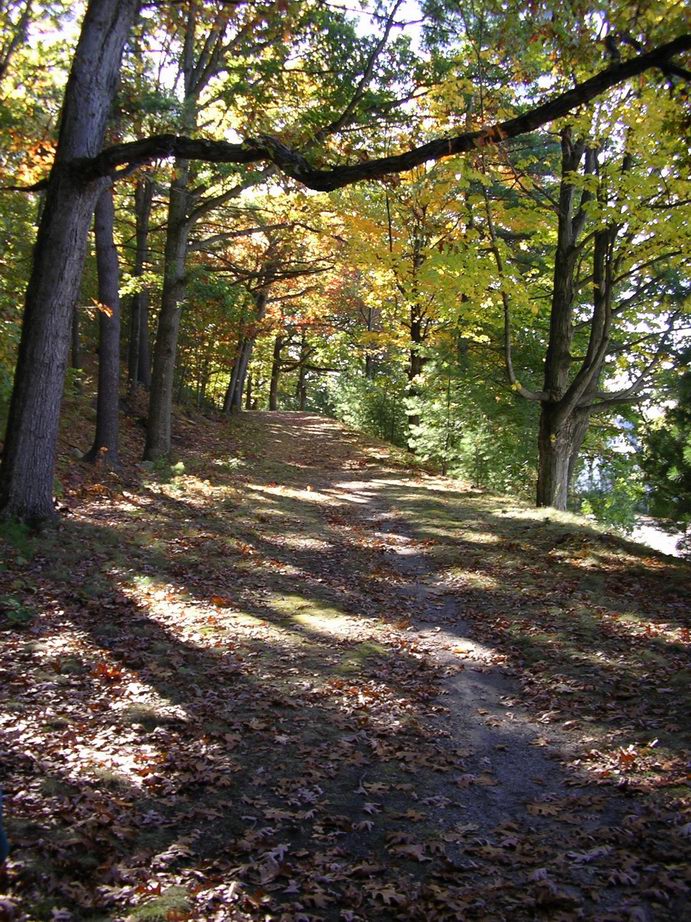
One of the historic trails on Newton Hill
This trail is close to where the forest opens up to the grassy summit.
One recommendation of the master plan is to selectively thin out some of the smaller trees in spots to open up views from the summit.


Not much of the plan has been implemented to date, due to lack of funding. However, a signage system has been installed, and the non-profit Friends of Newton Hill has continued efforts to raise money for the project and to keep the site maintained.

City Parks in Winter

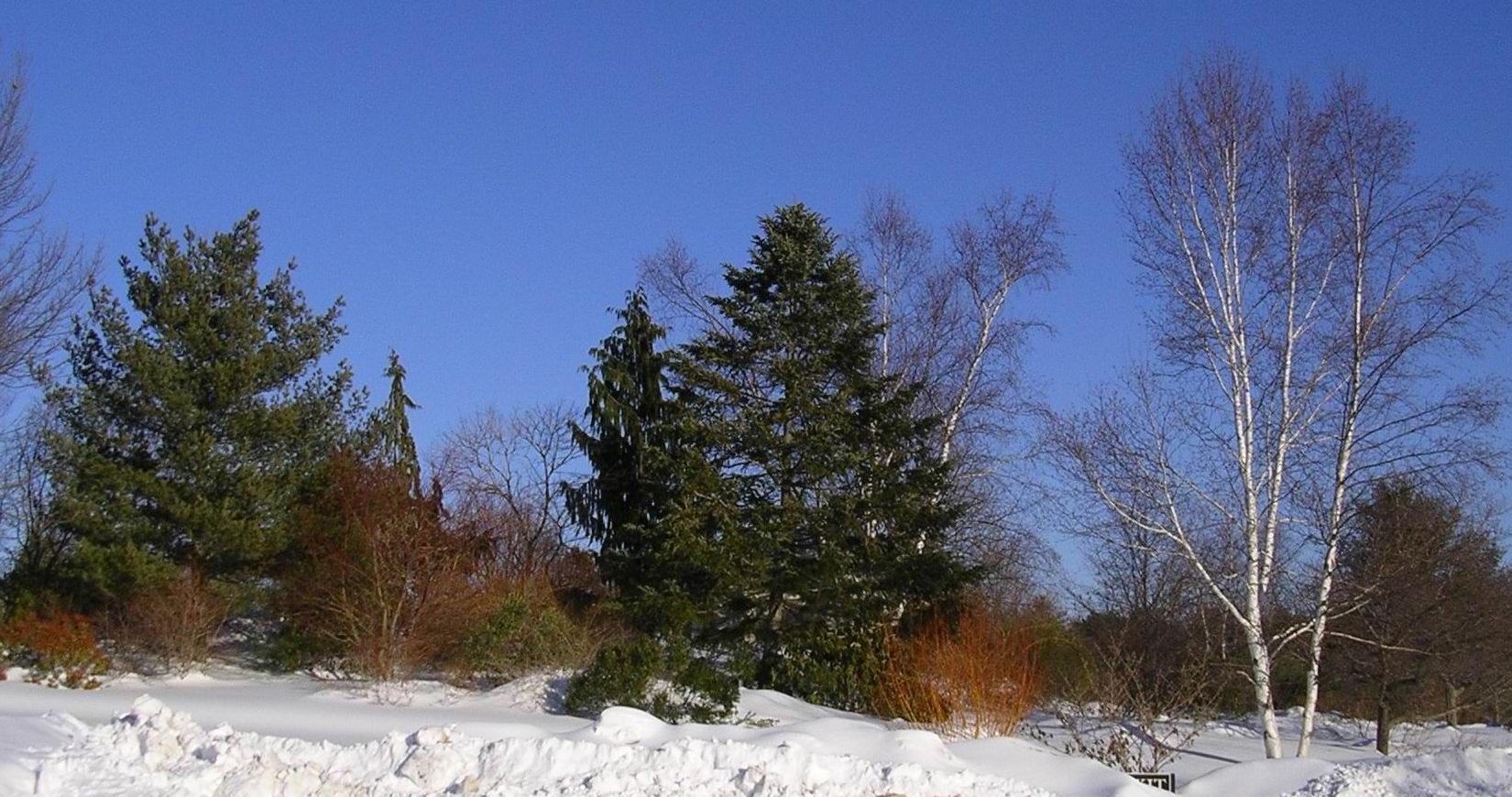
There is a serene type of beauty in the winter landscape, especially when the sun is casting long blue shadows across the snow. The absence of leaves on the deciduous trees also opens up views not seen during the warmer seasons. I decided to take photos of several city parks here in Worcester, Massachusetts, during this chilly but scenic time of year. Landscape architects designed (and/or redesigned) all of the parks pictured below.

A stone lion keeps watch over the entrance to Colombo Park.


My company, EarthDesign Landscape Architecture LLC, designed some additions and renovations to Colombo Park, which will be completed later this year.

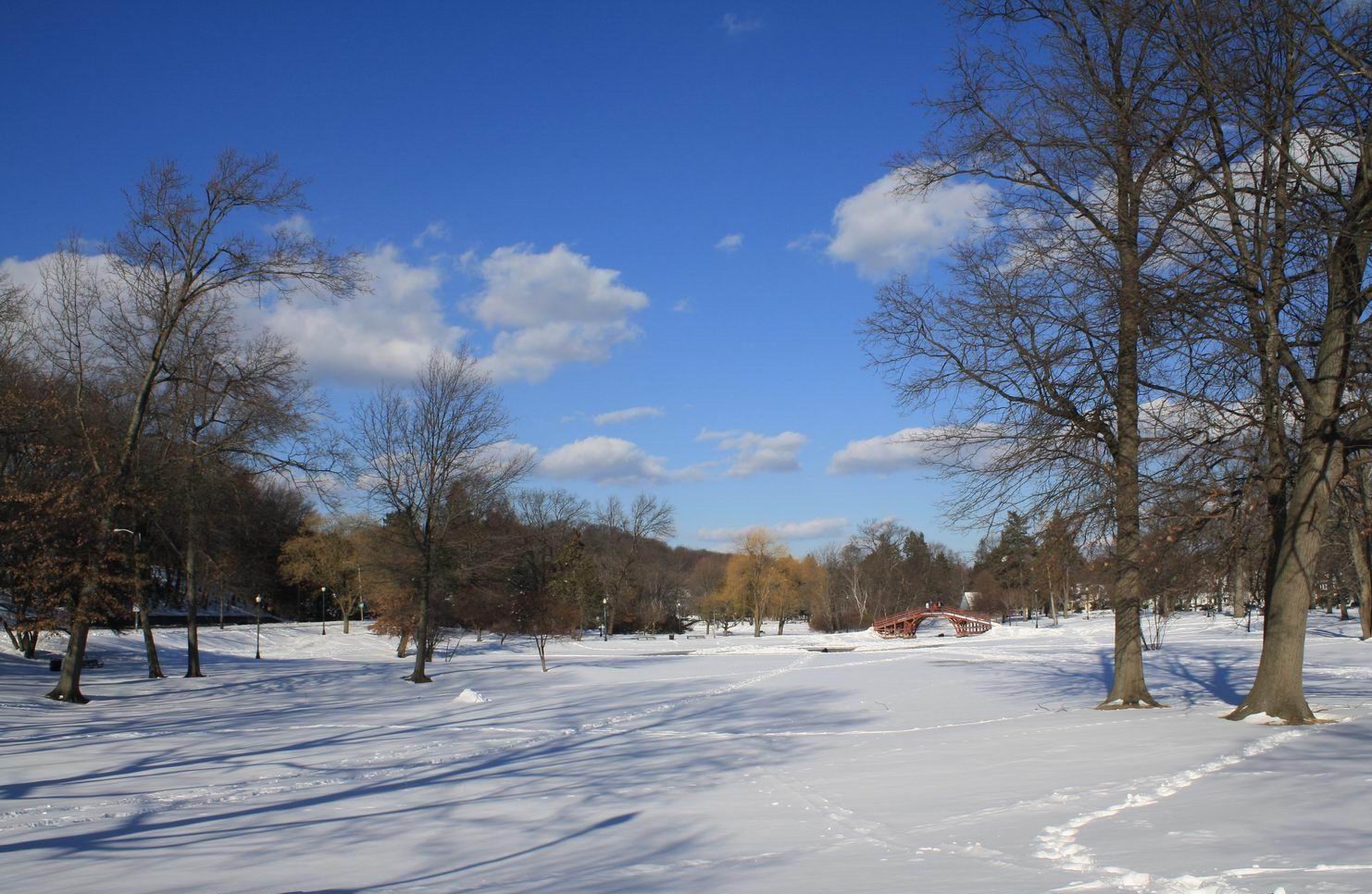
Elm Park, established in the late 1800s, has numerous walkways, picnic areas, and three connected ponds which are used for skating in winter.
A red bridge & yellow willow branches add color to the landscape at Elm Park.

A view in Elm Park toward the historic Fire Alarm & Telegraph Building


Newton Hill, which is part of Elm Park, is in the background of the photo above. EarthDesign prepared a master trails plan for Newton Hill.

The Massachusetts Vietnam Veterans’ Memorial at Green Hill Park
Perennials, ornamental grasses, and shrubs provide winter interest at the Veterans' Memorial site.
A walkway meanders along the pond at the Massachusetts Vietnam Veterans’ Memorial at Green Hill Park.
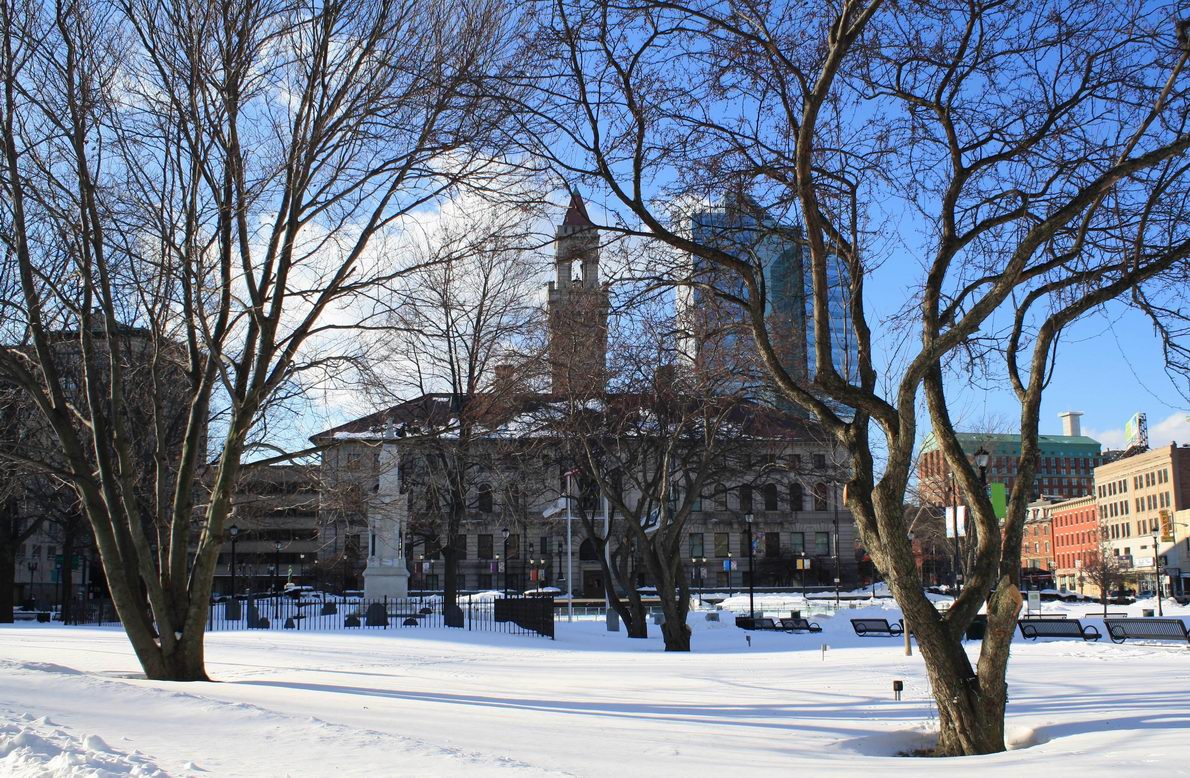
City Hall is visible through the trees in the historic Common in winter.

Kids Together Playground


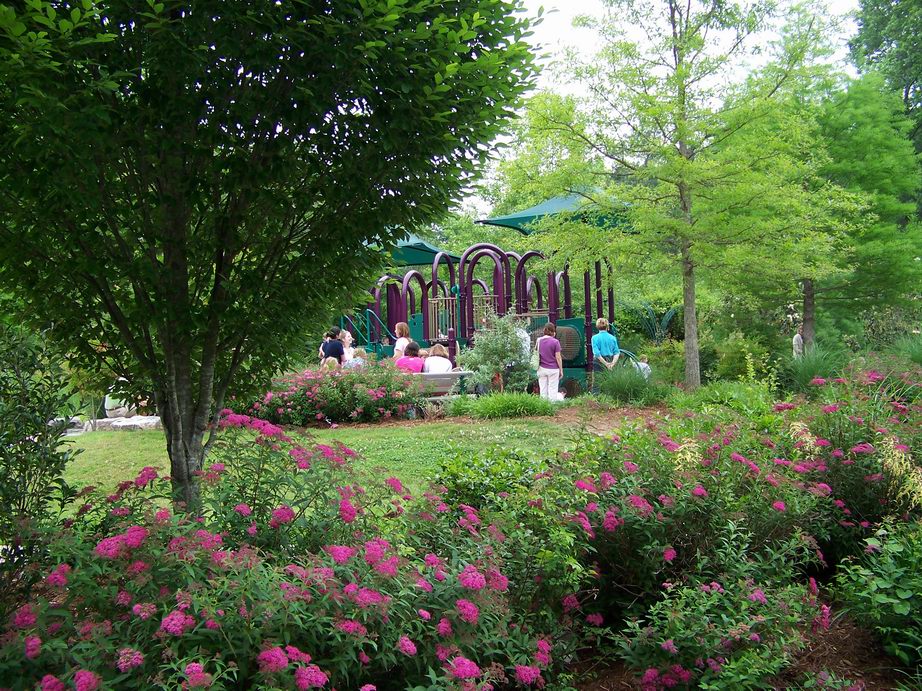
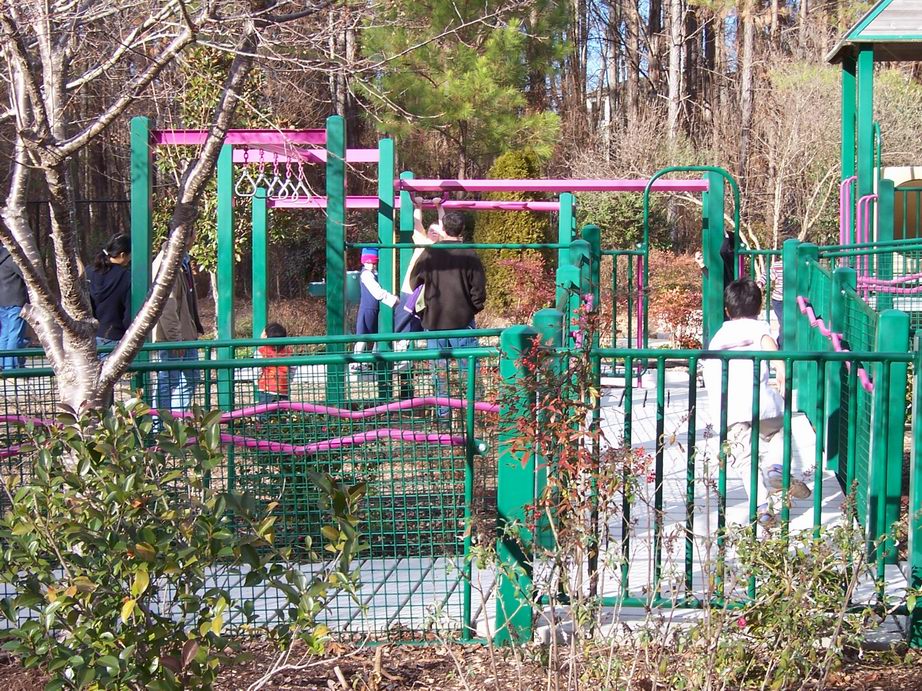
In my former position as a landscape architect for the Town of Cary, North Carolina, I had the pleasure of managing the design and construction of a unique and extensive play space, called Kids Together Playground, which is located in Marla Dorrel Park. The playground is two acres in size, and was completed in 2000. Its defining features include a universally-accessible design, in addition to many natural elements, including plants, sand, rocks, and rolling hills. It includes both active and passive (“discovery”) play zones, as well as separate school-age and preschool-age areas. The park and playground were designed by my friends at Little & Little Landscape Architects in collaboration with Robin Moore, Director of the Natural Learning Initiative, both in Raleigh, NC.

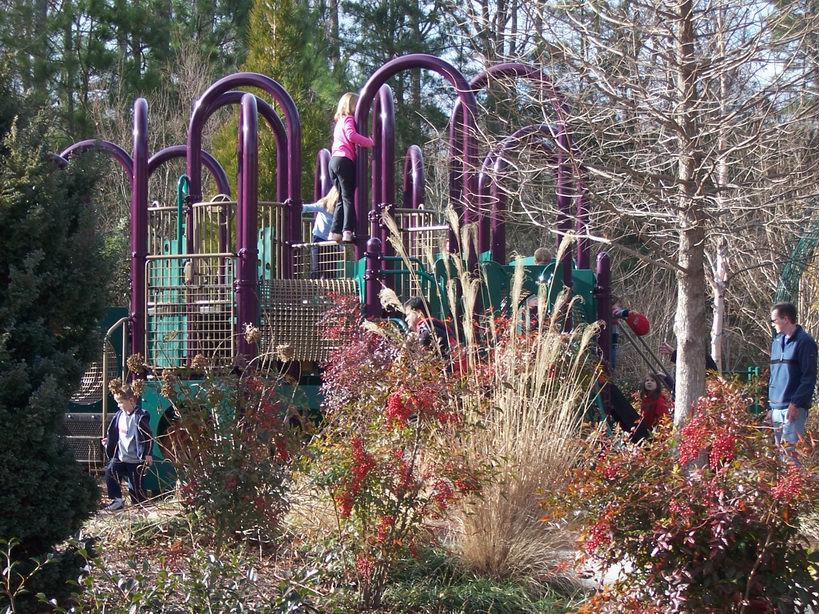
Integrating play opportunities for children of all ability levels was the original goal behind the development of this playground. It consists of many accessible pathways throughout the site, and more than half of the raised decking on the largest play structure can be accessed by wheelchairs via two ramps. A raised, terraced sand table also accommodates wheelchairs, and swings with back support are mixed in with traditional belt swings. Changes in walkway surfacing provide textural cues for the visually impaired at intersections and steps, and plants stimulate the senses of sight, touch, and smell.

Natural elements in this playground are plentiful, and provide many creative play opportunities. There is a large variety of lush plantings, including ornamental grasses, shrubs, trees, groundcovers, and perennials. The plants were chosen to provide a diversity of colors, textures, and fragrances through various seasons, and all are non-toxic. Trees provide shade in this warm climate, and many of the plants offer loose parts for imaginative play. Shrubs and tall grasses also form the boundaries of play spaces, and are perfect for hide-and-seek games. In addition, there are three sand areas in the playground, including a sand “river” that runs under a footbridge, a zone with sand diggers, and the terraced sand table mentioned above. Also, rocks are set into hillsides for climbing and sitting, and grassy slopes are provided for running, rolling, and relaxing.

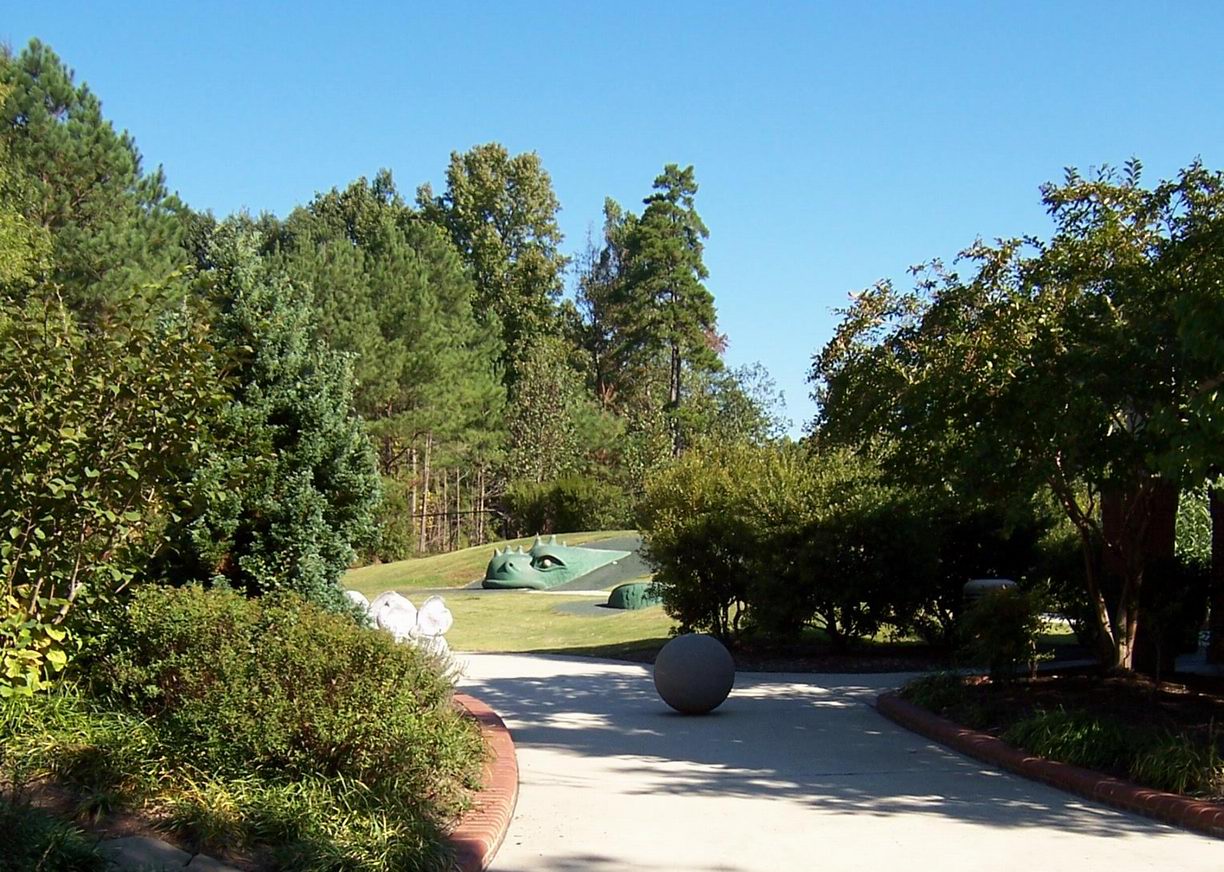
Playful pieces of original artwork can be found throughout the site. A climbable dragon sculpture emerges from a hillside, and matching benches that flank the entrance area invite kids to talk to each other through winding tubes. Benches with botanical and dragon themes also can be found along several of the walkways.

Kids Together Playground continues to be very popular, since it provides such a wide variety of play opportunities for kids of all abilities. Although traditional climbing, sliding, and swinging structures are included, this playground also offers many settings for creative play, ranging from sand areas and playhouses to winding paths and hills. Plants, however, are the dominant features of this site, and add a tremendous amount of play value and visual appeal.

The beginning of a sand “river” in the preschool play zone includes a wheelchair-accessible table and a “bucket filler” water source.
The sand “river” continues under an accessible bridge in the preschool area.
A climbable dragon sculpture emerges from the hillside.
The playground’s plants have ornamental appeal in the winter, too.
Ramps to the large play structure are surrounded by vegetation.
A terraced sand play area
An intimate space with kid-size seats, table, and play house
Sculptural bench with “talk tube” near the playground entrance

Round Bollard
A playful bollard and colorful plants along a walkway


Photos by Little & Little Landscape Architects, the Town of Cary NC, and Alice Webb
Bringing Nature into Playgrounds

I’m a strong advocate of giving kids opportunities to play in natural settings, and am working on convincing more of my clients to include natural elements in children’s playgrounds that I design. Last year I wrote an article about this topic for the New England Park Association’s spring newsletter, which is abbreviated below.

Many of today’s children spend too much time indoors or in planned activities, which has led to high levels of attention disorders and depression. Unstructured outdoor play is very important for kids, as there is a growing body of scientific evidence that free play, particularly in natural settings, has many cognitive, social, and emotional benefits. One solution is to allow children to play freely in natural areas, but to go a step further, natural features can be incorporated into playgrounds. In contrast to open natural settings, playgrounds can provide a more secure, bounded area which adults may prefer, particularly for younger children. This objective can be met by providing natural settings and elements in the play area, such as grass hills, sand play areas, water, rocks, plants, and wood.

Of all the natural elements that can be provided in playgrounds, plants are one of the most beneficial. Shrubs and tall ornamental grasses are great for hide-and-seek games, and plants of all types can provide loose parts for imaginative play, such as cones, seeds, leaves, and sticks. They can also form the boundaries of play spaces within a playground. Plants help to develop the senses, they stimulate exploration, and they foster appreciation for the natural environment. Other advantages include protection from sun and wind, erosion control, and making the playground more visually attractive for both children and adults.

Including hills and other variations in topography can promote a lot of enjoyment in playgrounds. These provide varied spatial experiences, and encourage climbing, running, and rolling. Slides can even be incorporated into hillsides, and accessible routes can be constructed to the tops of these slides. Bridges can also be built between a hill or higher elevation and the upper level of a play structure, which facilitates wheelchair access into the structure, and adds fun to the play experience. Hills and mounds make a playground more interesting, and are also great for sledding in winter.

Sand areas are very popular with younger children, and they foster creative play since sand can be molded into all types of things. It is important to include a water source in the sand area, such as a button-operated or pump-activated “jug filler”, for this purpose. Sand play areas are also great for social interaction among children. For wheelchair accessibility, raised sand tables can be provided, or an entire sand area could be raised to allow wheelchair users to transfer onto the edge and into the sand.

Water features can also greatly enhance the play experience, particularly if they mimic natural aquatic systems. Devices activated with buttons or pumps could be used to discharge water into a shallow hard-surfaced channel at ground level or a series of raised troughs or terraces. These could be built in combination with spray elements, and all of this water could then be chlorinated and recirculated. If safety is a concern, all of these water play features could be zero-depth.

Rocks and wood are other natural elements that are fun and engaging, and they can be inexpensive to incorporate if obtained on the property. Including these in sand areas, along with plants, creates an even more stimulating play environment.  Some examples of uses for rocks and wood include raised stepping stones and stumps, seating areas, tables, and climbing objects. Several adjacent rocks could also be anchored into hillsides for added challenge and excitement.

When children play in natural settings, they tend to be quite imaginative and create their own games, which makes the whole experience especially enjoyable. Including natural components in playgrounds is a great way to give children this exposure on a regular basis, and it is a relatively low-cost means of adding lots of play value.

Up on the High Line


New York City’s High Line Park is situated on a former elevated freight railroad that was in operation from 1934 until 1980, on the west side of Manhattan. I’d been wanting to visit this distinctive park since it opened in 2009, and finally had the opportunity to do so this October. The next phase of the High Line is scheduled to open in 2011.
 
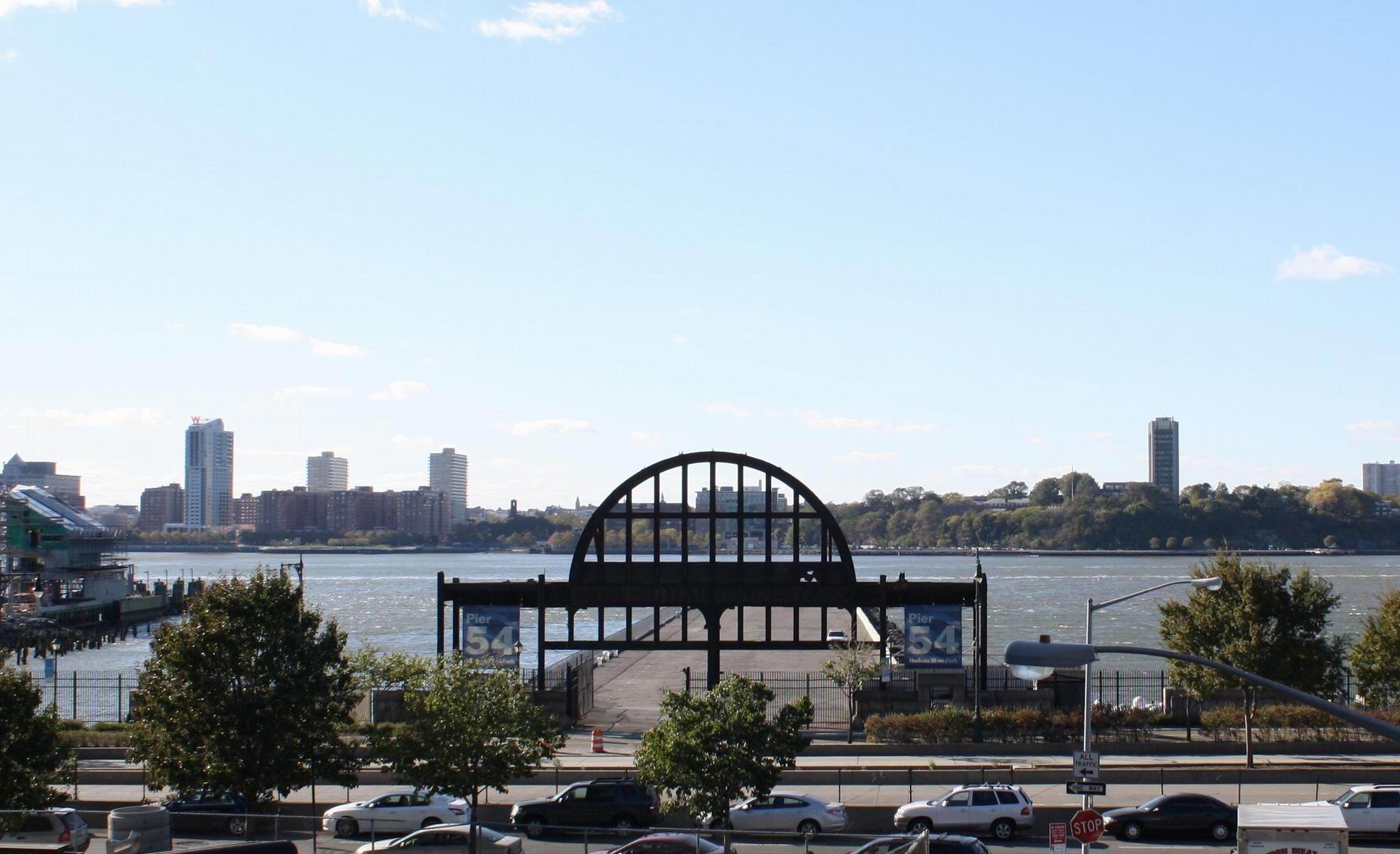
The High Line Park was designed by the landscape architecture firm of James Corner Field Operations. Although it is a linear park, it’s not one whose purpose is to get from Point A to Point B. Its walking surface isn’t laid out in a direct line; it instead shifts left and right, and is punctuated with islands of plantings and a diversity of areas for viewing and sitting. The design compels you to slow down and invites you to linger. From this park which is 30 feet above street level, you can take in views of the Hudson River and the variety of buildings and streetscapes of the up-and-coming Meatpacking District. You can also just enjoy the immediate surroundings of the uniquely-designed High Line itself.
 
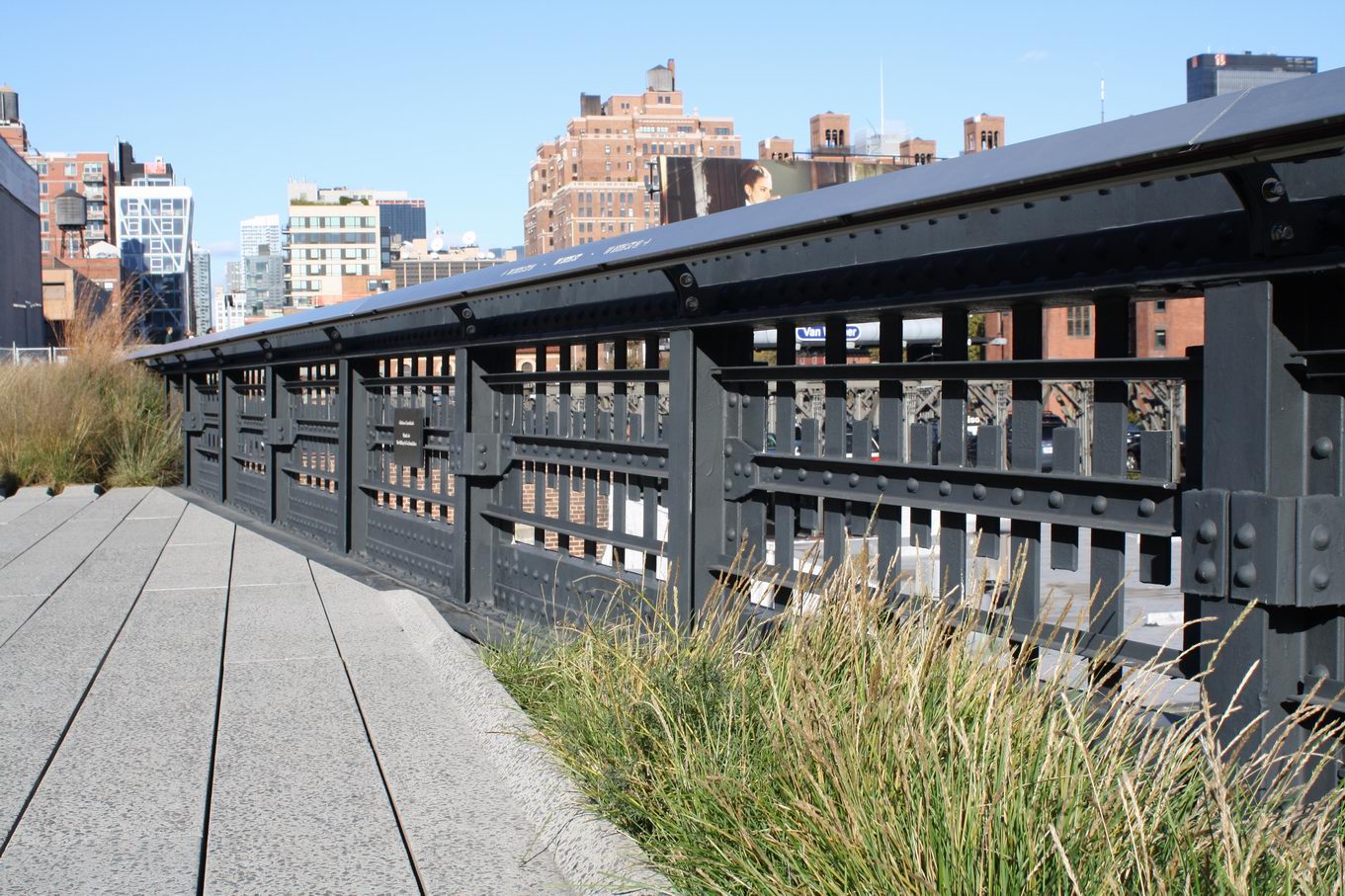
The design of this park echoes the history of the High Line in several respects. Train tracks cut through the planters and walkways. Historic Art Deco railings have been retained and renovated along some of the park’s edges. In addition, the choice of plantings reflects the self-seeded landscape that dominated the rail line after trains ceased using it.
 
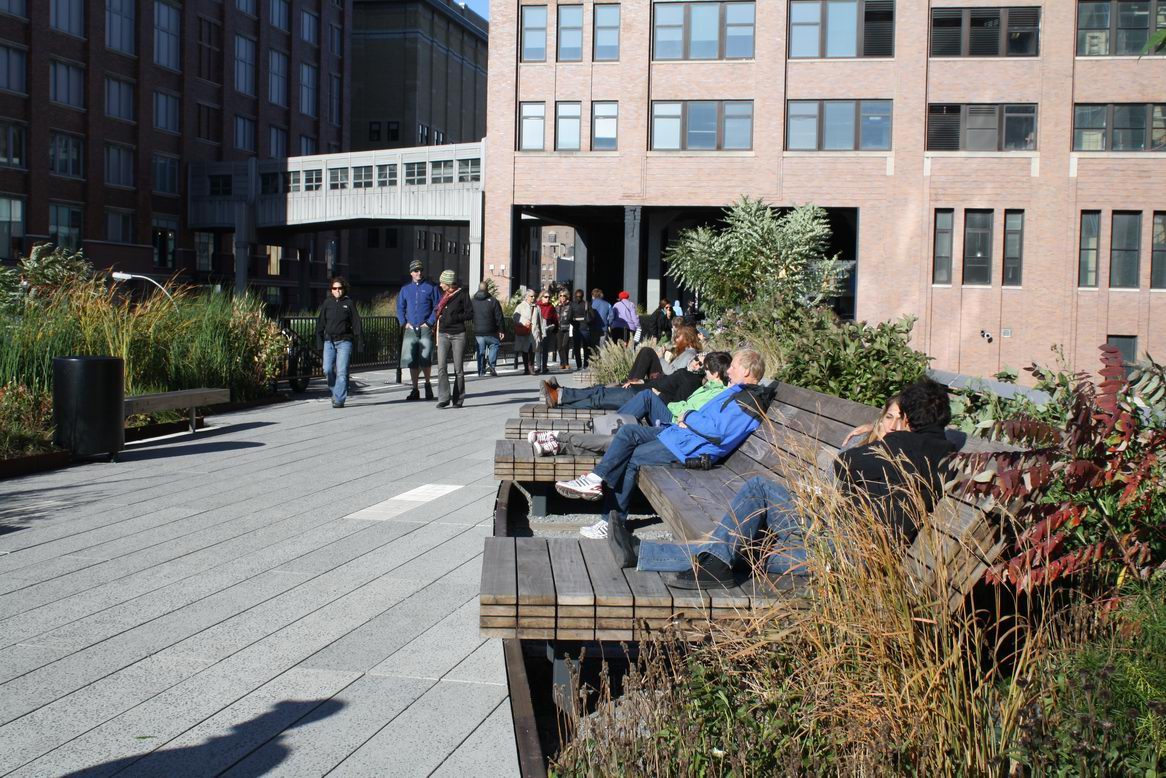
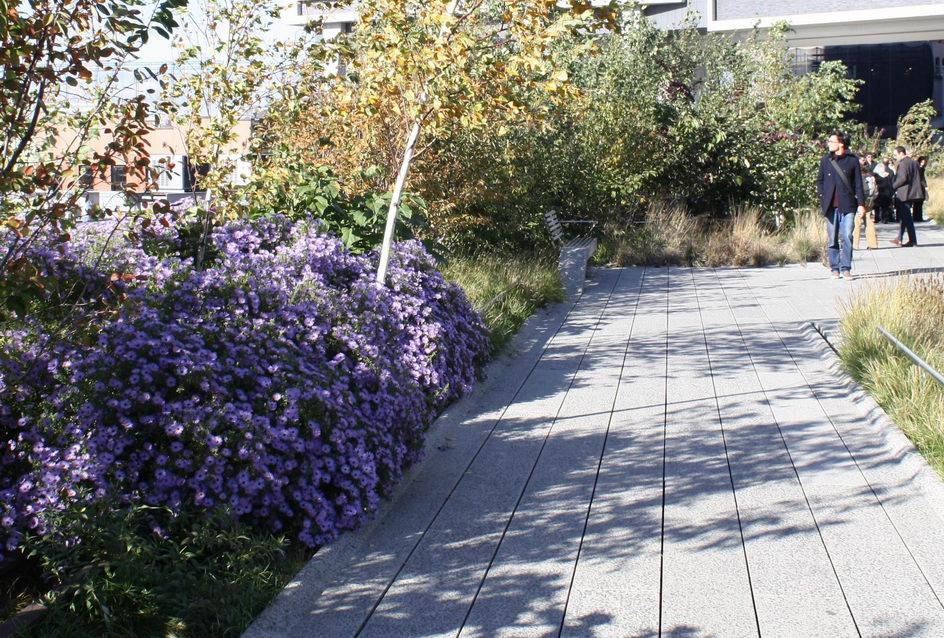
Other interesting features include custom linear concrete pavers that separate and narrow as they blend into plant beds; benches that appear to lift up from the walkways; and an area with amphitheater-type seating oriented toward a street view. Buildings also straddle the park in three locations.
 
I would like to return to the High Line during other seasons, to observe the wide variety of plants when they’re in bloom, and to do some more photography. I’m also looking forward to visiting the second phase. Walking this park is truly a delightful and unique experience, which is definitely worth repeating!


Benches appear to emerge from the deck.


Art Deco railing


Looking east onto 15th Street


Lounging in the sun


It was too chilly on the day of my visit to sit in this shady area.


Asters in bloom


Pavement blends into plantings


One of several views of the Hudson River from the High Line

Additional information about the High Line can be found at http://www.thehighline.org/.

Photos by Alice Webb