Myrtle Beach Boardwalk & Promenade


On a recent trip to Myrtle Beach, South Carolina, I had the opportunity to walk the new Oceanfront Boardwalk & Promenade. The 1.2-mile long walkway runs between two piers (at 2nd and 14th Avenues North), and is situated behind the sand dunes along the beach. The southern section, called the Promenade, is a linear park consisting of a 12’-wide concrete walkway that meanders through lush landscaping. It also includes several narrower looped paths off the main walk, as well as raised beach access connections. Flanking this area is a row of older hotels. To the north of the Promenade is a wide section of wooden boardwalk, located in a zone of beachfront shops and cafes. The final segment is a narrower, winding boardwalk that connects with the 14th Street Pier.

I like the winding layout of the Promenade walkway, with the gray colored concrete strip in the middle, lined by exposed aggregate concrete along each side (the same gray concrete mixed with white shell fragments, in this case). Also, the secondary loop walkways have a nice pitted texture for variation. The only color choice for surfacing that I don’t particularly like is the mottled coloration of the bricks used at maintenance vehicle access crossings and in combination with concrete beneath the canopied areas along the walkway. A solid color would have looked more harmonious with the other materials used for this project.

Palmetto trees are abundant along this linear section of park, along with beds of various evergreen shrubs and ornamental grasses. These low plants contrast nicely with each other, and make an effective visual transition to the more natural-appearing grass plantings on the sand side of the walkway. An occasional grove of Live Oaks would have been nice, breaking up the monotony of the Palmettos, but I understand that these would have blocked ocean views from the lower floors of the hotels. However, natural salt spray pruning would keep the oaks at a small size.

Wood decking was used for the wider boardwalk areas – although higher-maintenance than recycled plastic planks, the wood is aesthetically pleasing and it evokes nostalgia of historic beachside boardwalks. I like the checkerboard pattern of the wood decking, in addition to the light fixtures and other site amenities.

My least favorite section of the Boardwalk & Promenade is the northern segment. It consists of a winding 8’-wide boardwalk that connects with the 14th Avenue Pier at its terminus. Although there is less real estate in this area between private properties and beach, this walk should have been around 12’ wide (like the Promenade walkway). The curving layout of the boardwalk also has an awkward appearance, and the narrow width makes it seem like a cattle corral.

Overall, the new Boardwalk & Promenade is a huge improvement to this section of Myrtle Beach. It offers visitors an alternative to walking on the beach, and one round trip of 2.4 miles can provide plenty of exercise. It will also likely spur more upscale development than what currently exists in this part of the beach.


The Promenade, as viewed from the 2nd Avenue Pier


A section of the Promenade with ornamental grasses


The widest segment of the Boardwalk, with a good view of the beach & ocean


This section of boardwalk is adjacent to shops and cafes.


The narrow north portion of boardwalk connects to the 14th Avenue Pier.

Photos by Alice Webb
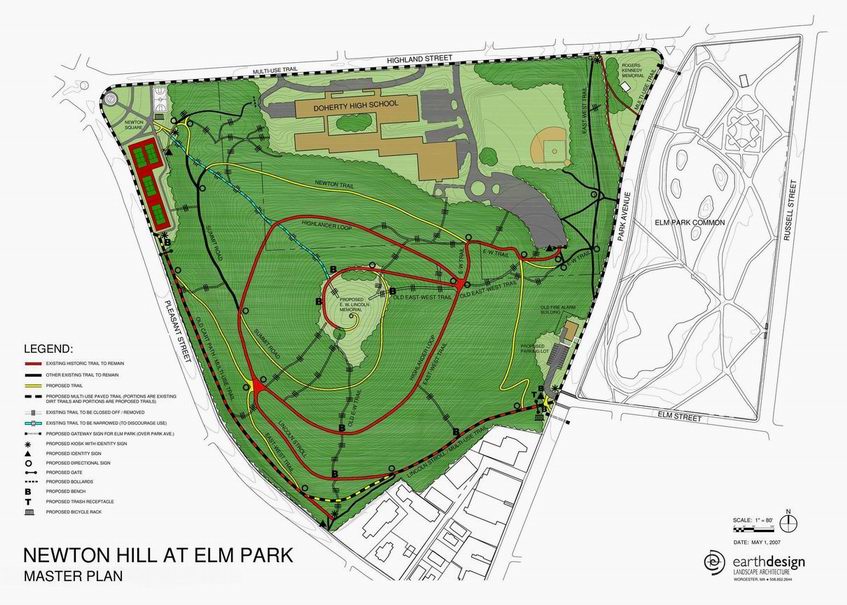
Newton Hill at Elm Park


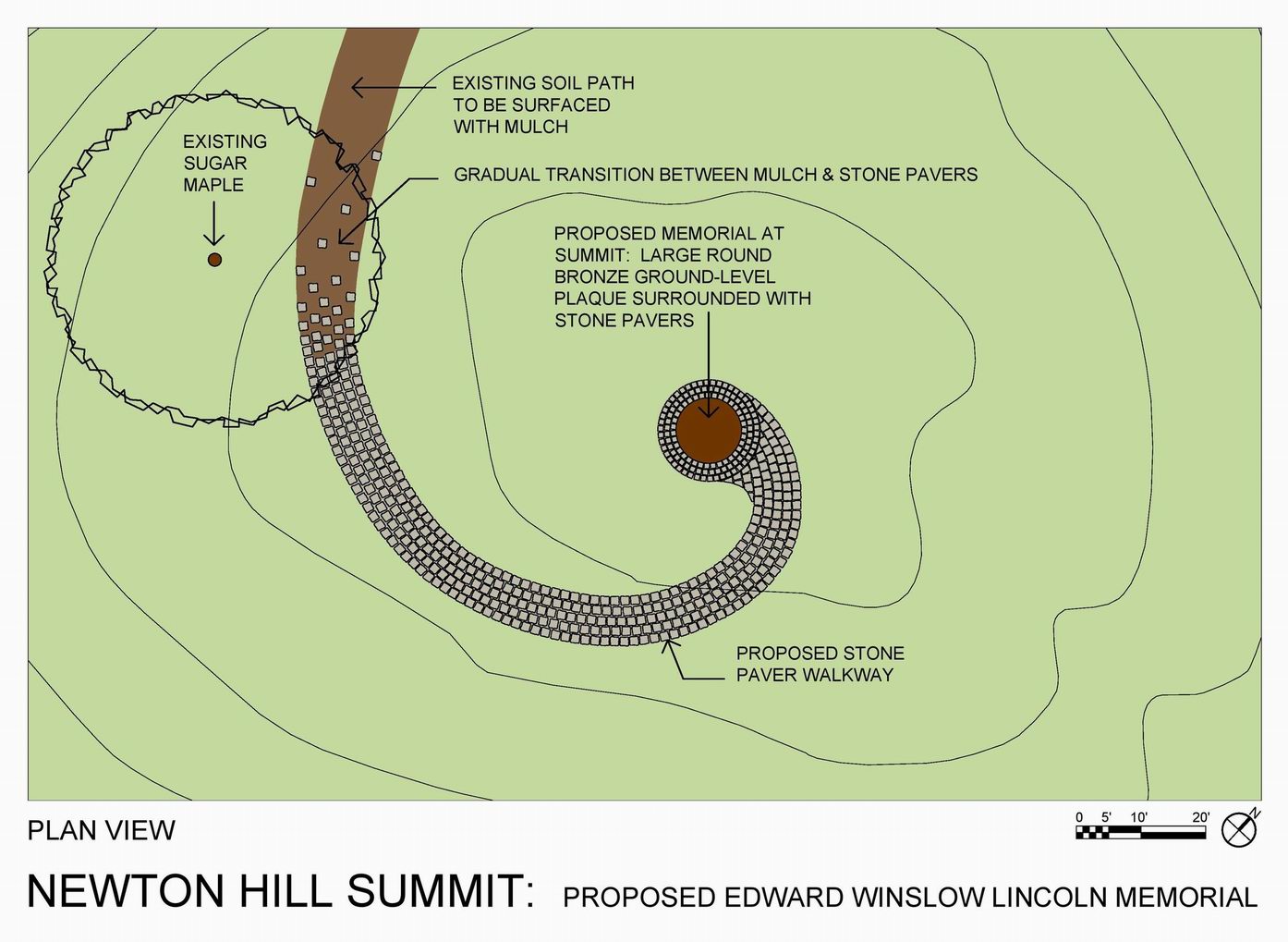
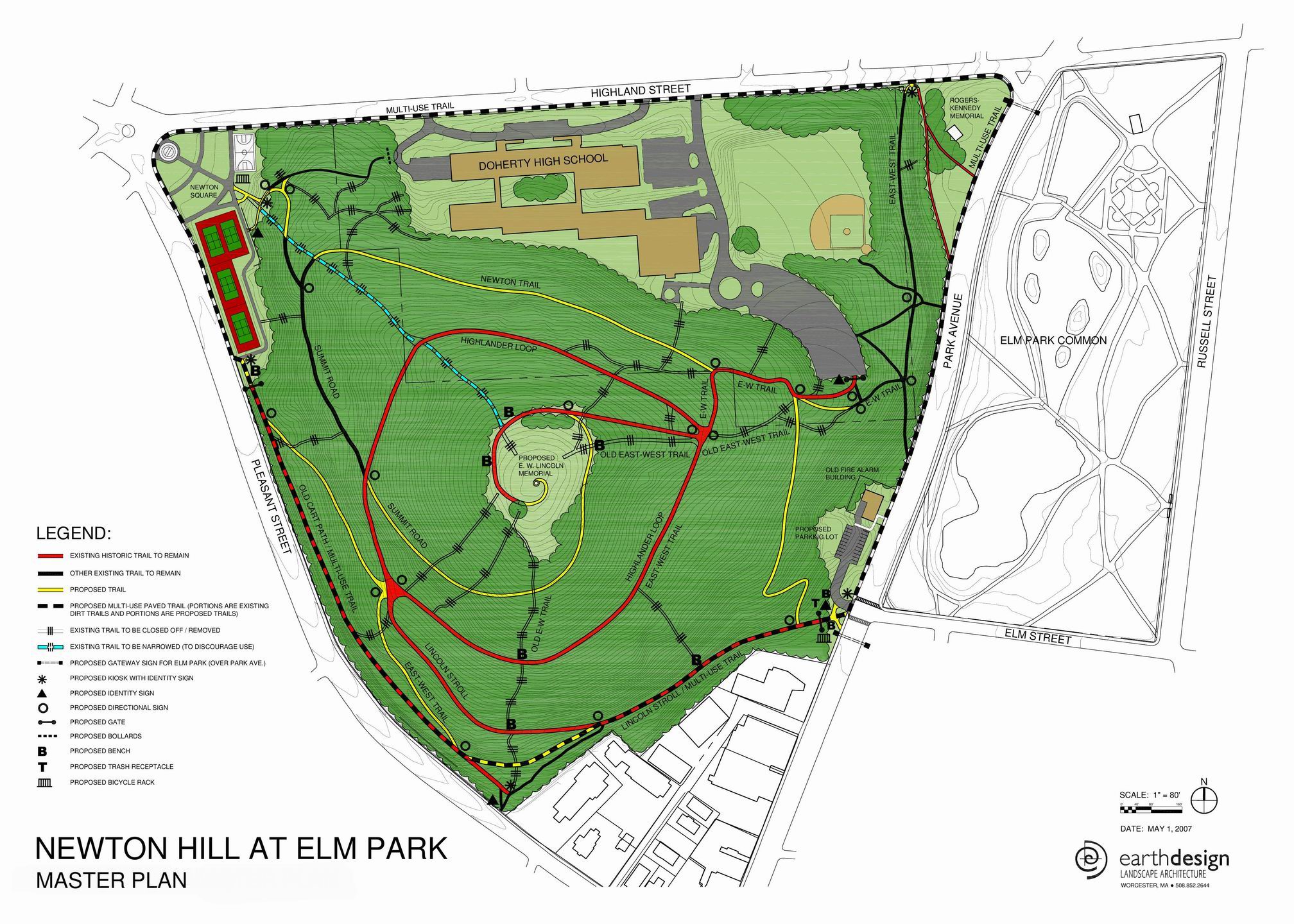
Worcester, Massachusetts, is known for its numerous hills. One of those high points, called Newton Hill, is part of historic Elm Park. It was acquired by the city in the late 1800s and a system of trails was built at that time. My company, EarthDesign Landscape Architecture LLC, designed a master plan for Newton Hill in 2007, which retains the historic trails (shown in red in the plan above), adds some new ones, and eliminates steep unplanned paths. A paved multi-purpose loop trail is also proposed along the perimeter, near the street level, and improvements are recommended to trailheads along the adjacent streets. In addition, a memorial at the top of the hill is planned that will celebrate Edward Winslow Lincoln, the chairman of the Worcester Parks Commission for 26 years in the late 1800s, who was instrumental in the city’s acquisition of the Newton Hill property.


The original system of trails gradually winds up the wooded slope, and one of these pathways fades out where the forest opens up to a grassy summit. The plan includes a continuation of this trail, to be surfaced with stone pavers, spiraling up the hillside and terminating at the memorial site at the top (as shown in the plan detail above). All components of the memorial would be at ground level, for two reasons. First, we wanted it have a low visual impact on the landscape and to contain an element of surprise, not revealing itself until one reaches the top of the hill. Secondly, we wanted to avoid including any vertical elements that might be attractive to vandals, mainly because a high school is situated adjacent to the park site.

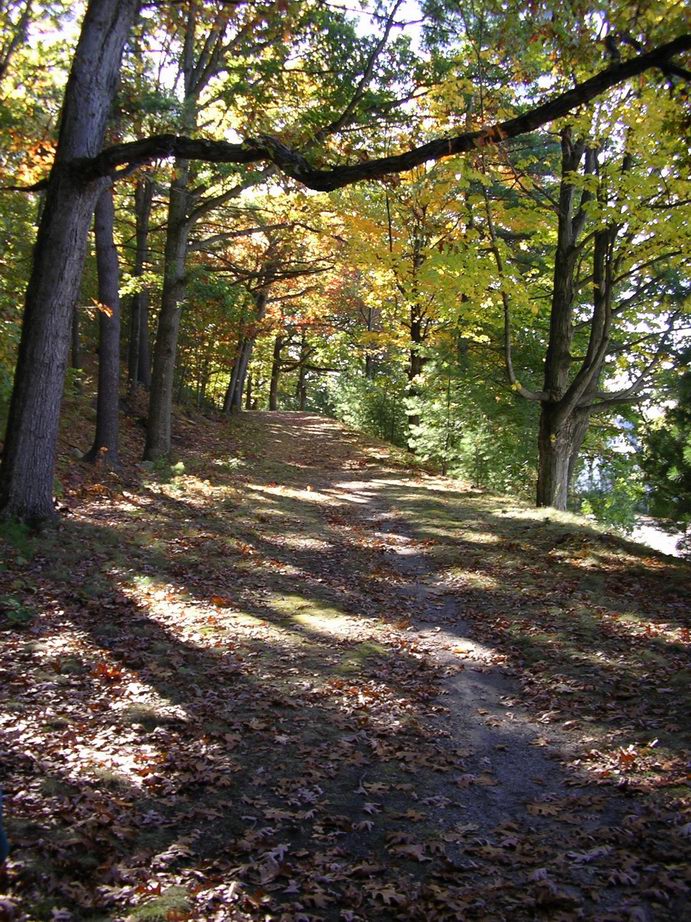
One of the historic trails on Newton Hill
This trail is close to where the forest opens up to the grassy summit.
One recommendation of the master plan is to selectively thin out some of the smaller trees in spots to open up views from the summit.


Not much of the plan has been implemented to date, due to lack of funding. However, a signage system has been installed, and the non-profit Friends of Newton Hill has continued efforts to raise money for the project and to keep the site maintained.

City Parks in Winter

There is a serene type of beauty in the winter landscape, especially when the sun is casting long blue shadows across the snow. The absence of leaves on the deciduous trees also opens up views not seen during the warmer seasons. I decided to take photos of several city parks here in Worcester, Massachusetts, during this chilly but scenic time of year. Landscape architects designed (and/or redesigned) all of the parks pictured below.

A stone lion keeps watch over the entrance to Colombo Park.


My company, EarthDesign Landscape Architecture LLC, designed some additions and renovations to Colombo Park, which will be completed later this year.

Elm Park, established in the late 1800s, has numerous walkways, picnic areas, and three connected ponds which are used for skating in winter.
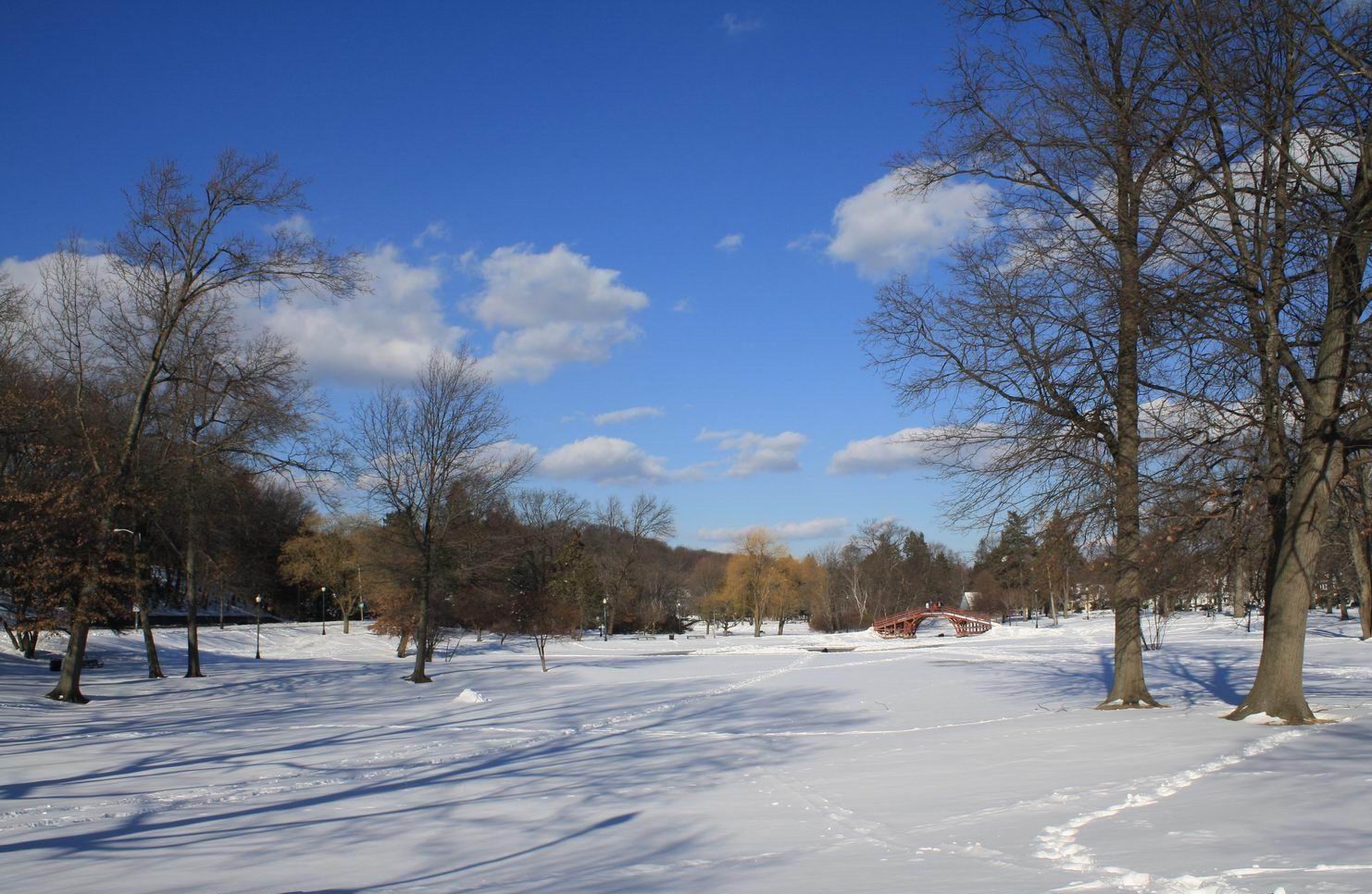
A red bridge & yellow willow branches add color to the landscape at Elm Park.

A view in Elm Park toward the historic Fire Alarm & Telegraph Building


Newton Hill, which is part of Elm Park, is in the background of the photo above. EarthDesign prepared a master trails plan for Newton Hill.

The Massachusetts Vietnam Veterans’ Memorial at Green Hill Park
Perennials, ornamental grasses, and shrubs provide winter interest at the Veterans' Memorial site.
A walkway meanders along the pond at the Massachusetts Vietnam Veterans’ Memorial at Green Hill Park.
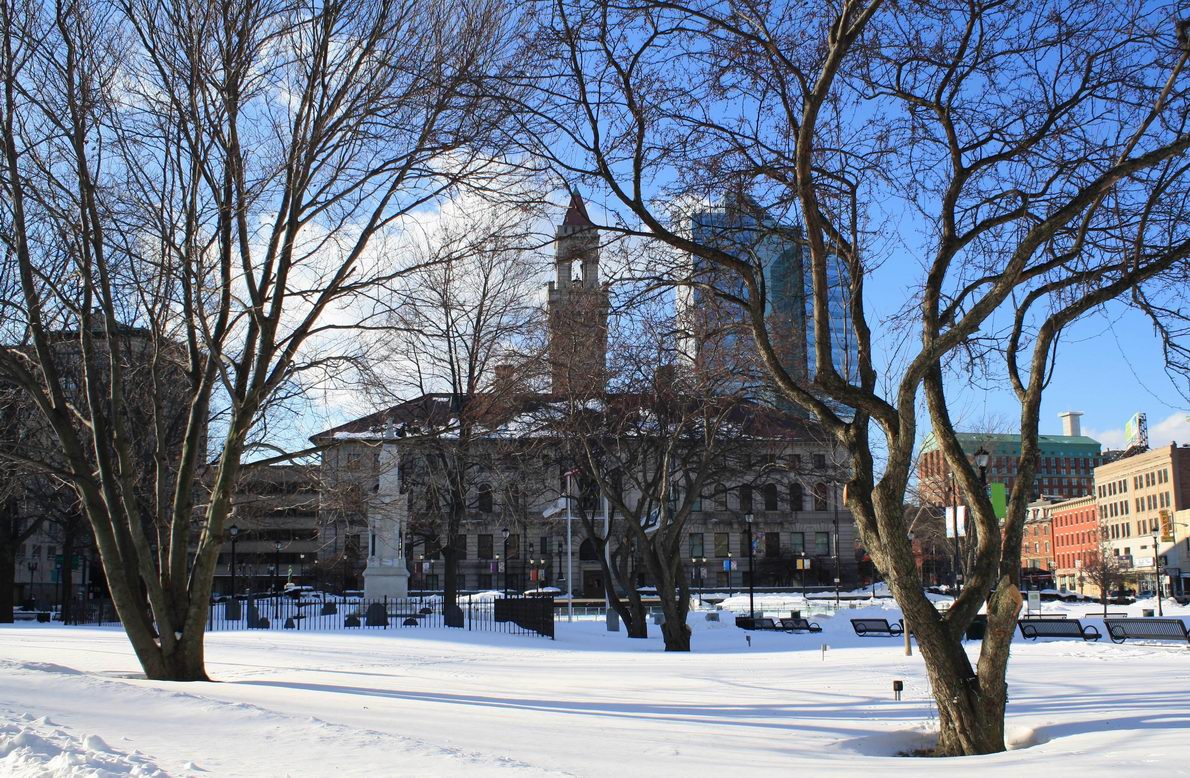
City Hall is visible through the trees in the historic Common in winter.

Kids Together Playground


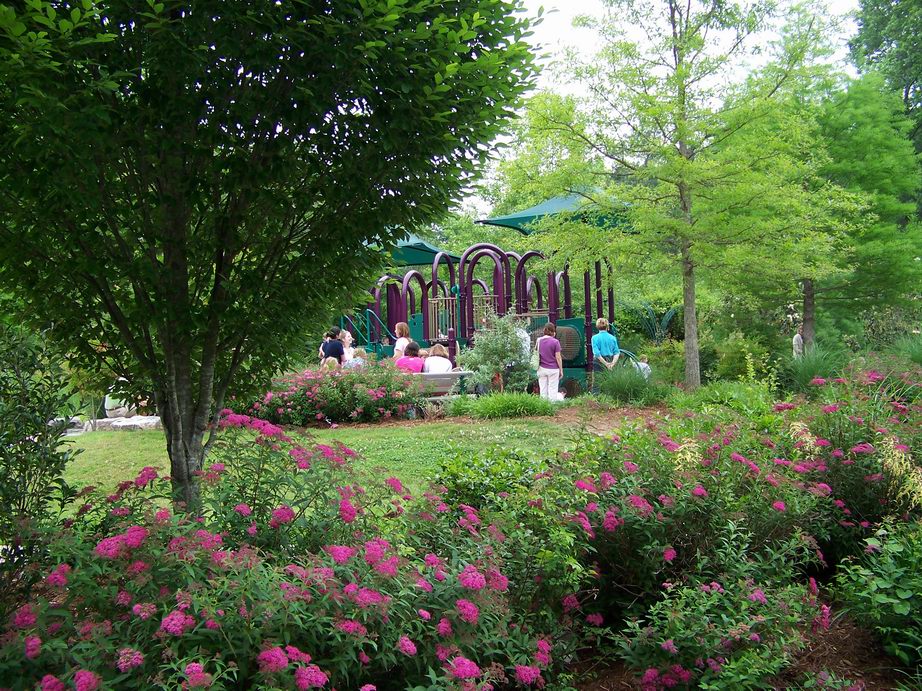
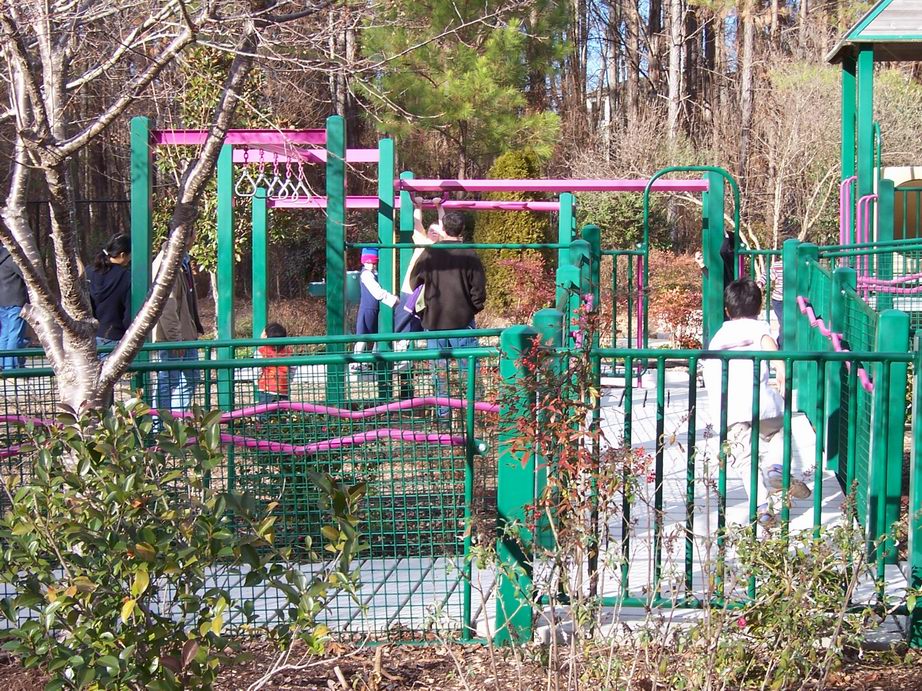
In my former position as a landscape architect for the Town of Cary, North Carolina, I had the pleasure of managing the design and construction of a unique and extensive play space, called Kids Together Playground, which is located in Marla Dorrel Park. The playground is two acres in size, and was completed in 2000. Its defining features include a universally-accessible design, in addition to many natural elements, including plants, sand, rocks, and rolling hills. It includes both active and passive (“discovery”) play zones, as well as separate school-age and preschool-age areas. The park and playground were designed by my friends at Little & Little Landscape Architects in collaboration with Robin Moore, Director of the Natural Learning Initiative, both in Raleigh, NC.

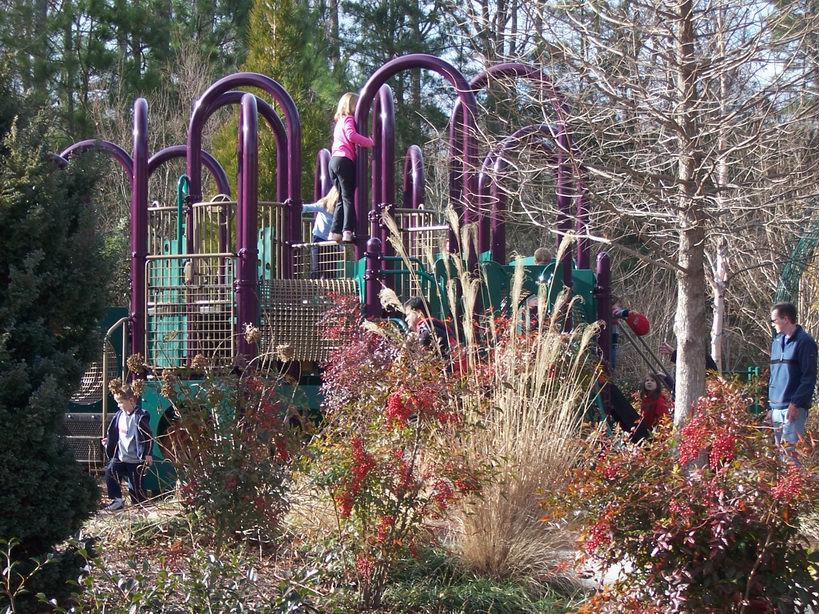
Integrating play opportunities for children of all ability levels was the original goal behind the development of this playground. It consists of many accessible pathways throughout the site, and more than half of the raised decking on the largest play structure can be accessed by wheelchairs via two ramps. A raised, terraced sand table also accommodates wheelchairs, and swings with back support are mixed in with traditional belt swings. Changes in walkway surfacing provide textural cues for the visually impaired at intersections and steps, and plants stimulate the senses of sight, touch, and smell.

Natural elements in this playground are plentiful, and provide many creative play opportunities. There is a large variety of lush plantings, including ornamental grasses, shrubs, trees, groundcovers, and perennials. The plants were chosen to provide a diversity of colors, textures, and fragrances through various seasons, and all are non-toxic. Trees provide shade in this warm climate, and many of the plants offer loose parts for imaginative play. Shrubs and tall grasses also form the boundaries of play spaces, and are perfect for hide-and-seek games. In addition, there are three sand areas in the playground, including a sand “river” that runs under a footbridge, a zone with sand diggers, and the terraced sand table mentioned above. Also, rocks are set into hillsides for climbing and sitting, and grassy slopes are provided for running, rolling, and relaxing.

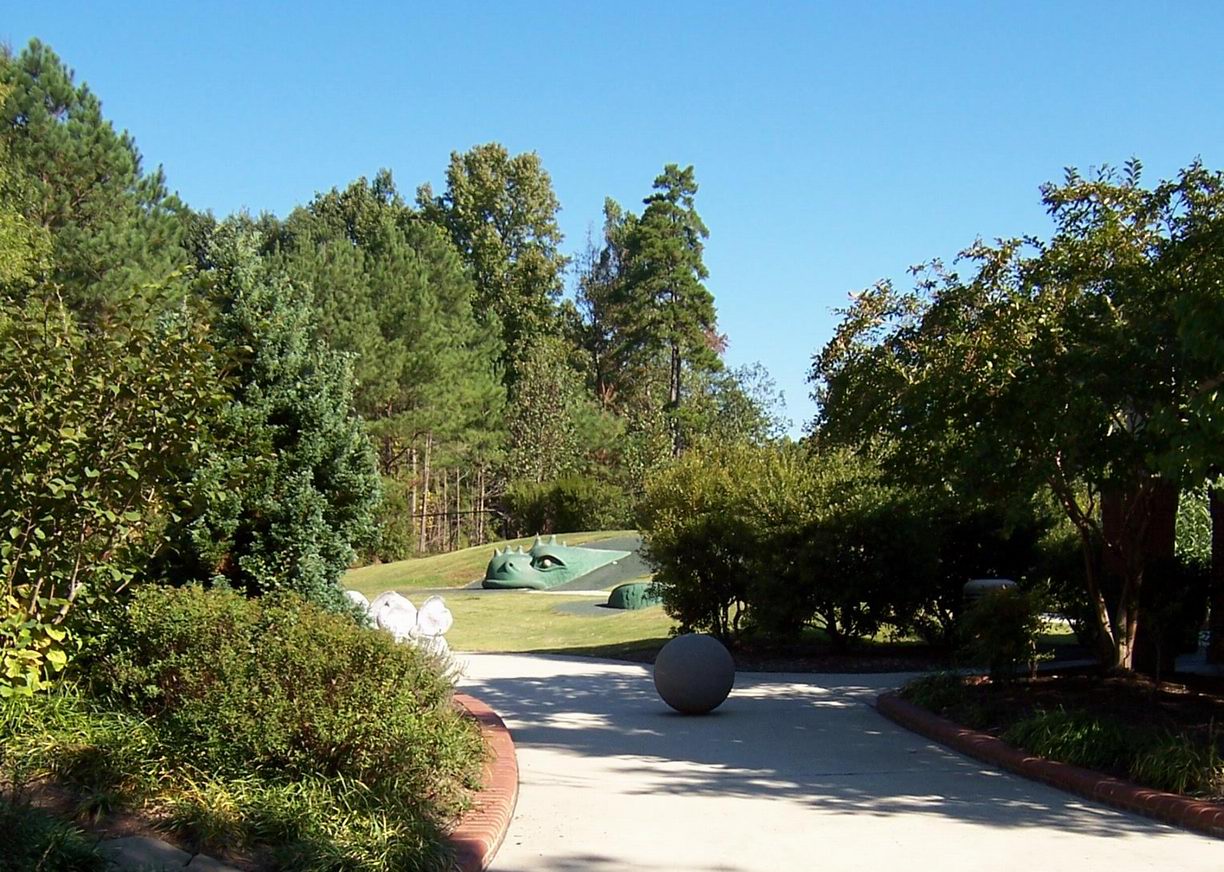
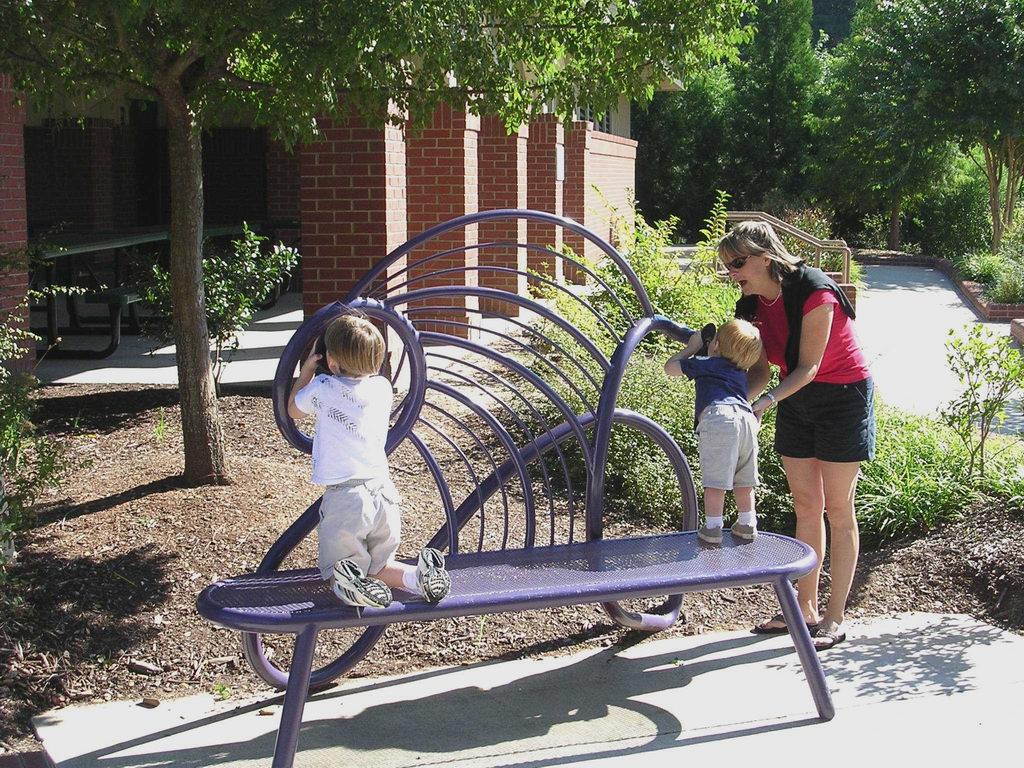
Playful pieces of original artwork can be found throughout the site. A climbable dragon sculpture emerges from a hillside, and matching benches that flank the entrance area invite kids to talk to each other through winding tubes. Benches with botanical and dragon themes also can be found along several of the walkways.

Kids Together Playground continues to be very popular, since it provides such a wide variety of play opportunities for kids of all abilities. Although traditional climbing, sliding, and swinging structures are included, this playground also offers many settings for creative play, ranging from sand areas and playhouses to winding paths and hills. Plants, however, are the dominant features of this site, and add a tremendous amount of play value and visual appeal.

The beginning of a sand “river” in the preschool play zone includes a wheelchair-accessible table and a “bucket filler” water source.
The sand “river” continues under an accessible bridge in the preschool area.
A climbable dragon sculpture emerges from the hillside.
The playground’s plants have ornamental appeal in the winter, too.
Ramps to the large play structure are surrounded by vegetation.
A terraced sand play area
An intimate space with kid-size seats, table, and play house
Sculptural bench with “talk tube” near the playground entrance

Round Bollard
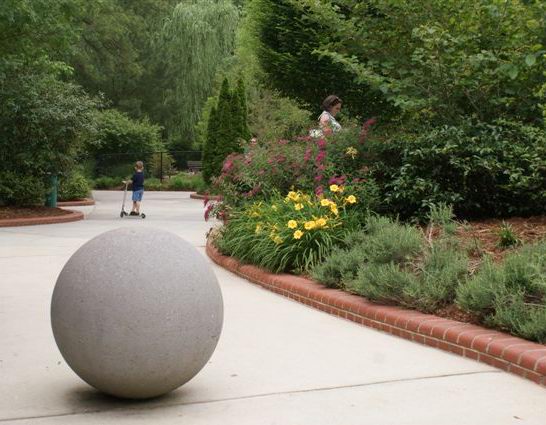
A playful bollard and colorful plants along a walkway


Photos by Little & Little Landscape Architects, the Town of Cary NC, and Alice Webb

Up on the High Line


New York City’s High Line Park is situated on a former elevated freight railroad that was in operation from 1934 until 1980, on the west side of Manhattan. I’d been wanting to visit this distinctive park since it opened in 2009, and finally had the opportunity to do so this October. The next phase of the High Line is scheduled to open in 2011.
 
The High Line Park was designed by the landscape architecture firm of James Corner Field Operations. Although it is a linear park, it’s not one whose purpose is to get from Point A to Point B. Its walking surface isn’t laid out in a direct line; it instead shifts left and right, and is punctuated with islands of plantings and a diversity of areas for viewing and sitting. The design compels you to slow down and invites you to linger. From this park which is 30 feet above street level, you can take in views of the Hudson River and the variety of buildings and streetscapes of the up-and-coming Meatpacking District. You can also just enjoy the immediate surroundings of the uniquely-designed High Line itself.
 
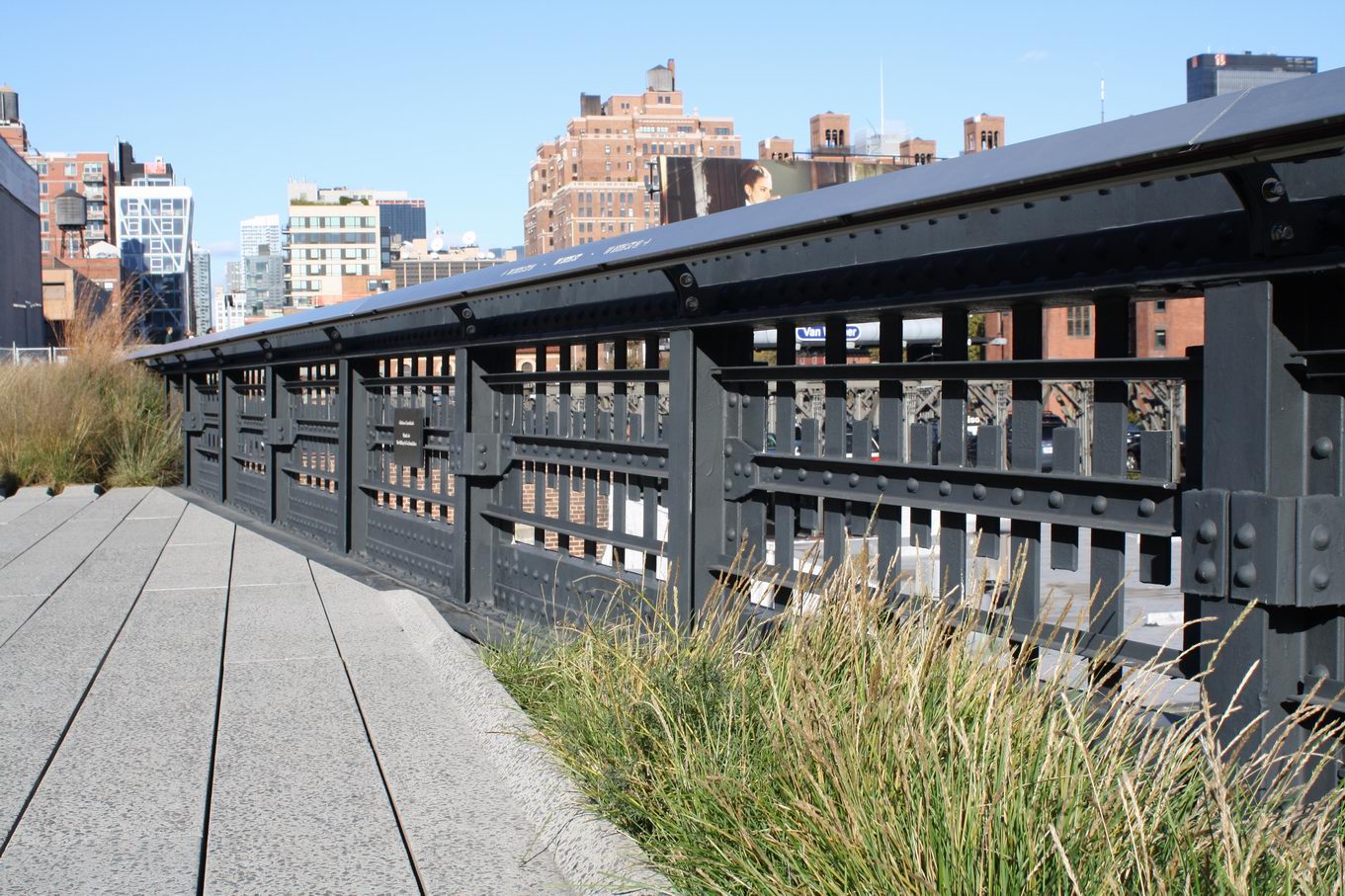
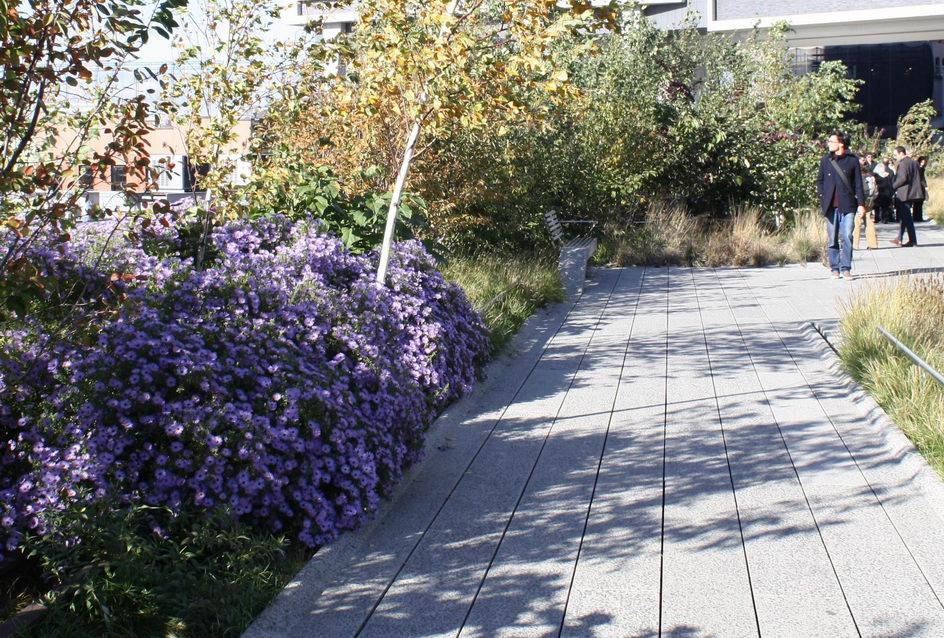
The design of this park echoes the history of the High Line in several respects. Train tracks cut through the planters and walkways. Historic Art Deco railings have been retained and renovated along some of the park’s edges. In addition, the choice of plantings reflects the self-seeded landscape that dominated the rail line after trains ceased using it.
 
Other interesting features include custom linear concrete pavers that separate and narrow as they blend into plant beds; benches that appear to lift up from the walkways; and an area with amphitheater-type seating oriented toward a street view. Buildings also straddle the park in three locations.
 
I would like to return to the High Line during other seasons, to observe the wide variety of plants when they’re in bloom, and to do some more photography. I’m also looking forward to visiting the second phase. Walking this park is truly a delightful and unique experience, which is definitely worth repeating!


Benches appear to emerge from the deck.


Art Deco railing


Looking east onto 15th Street


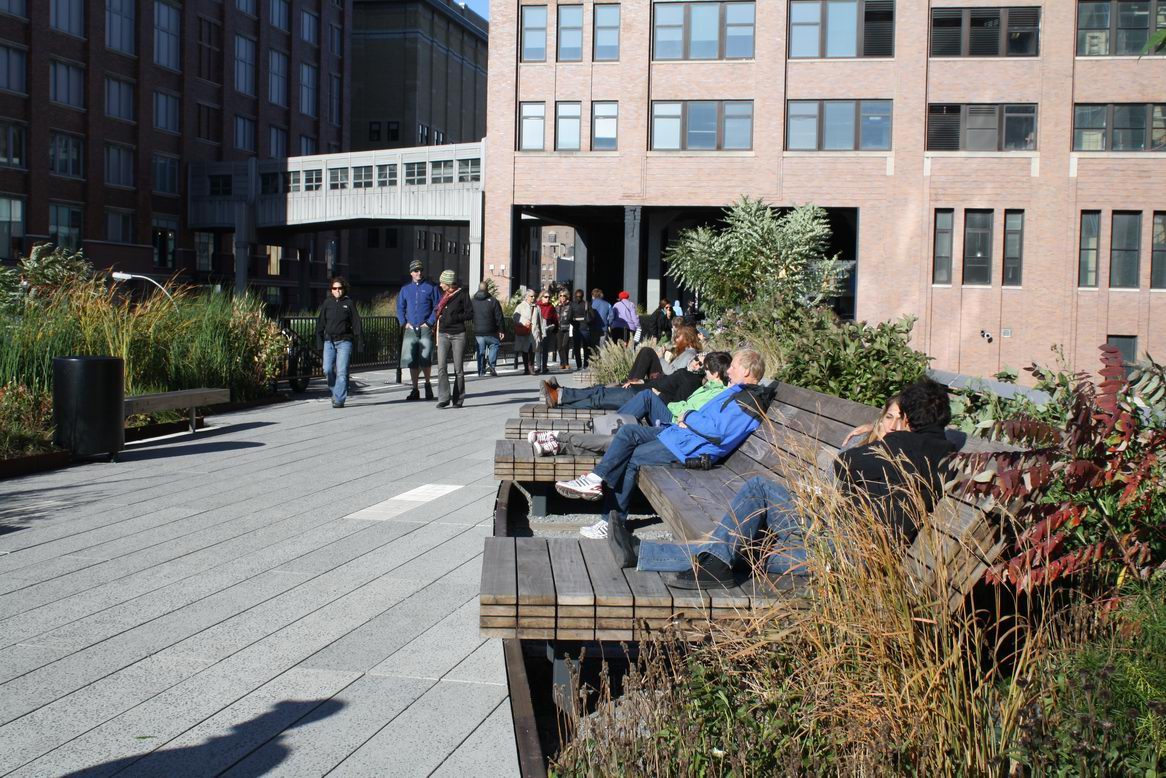
Lounging in the sun


It was too chilly on the day of my visit to sit in this shady area.


Asters in bloom


Pavement blends into plantings


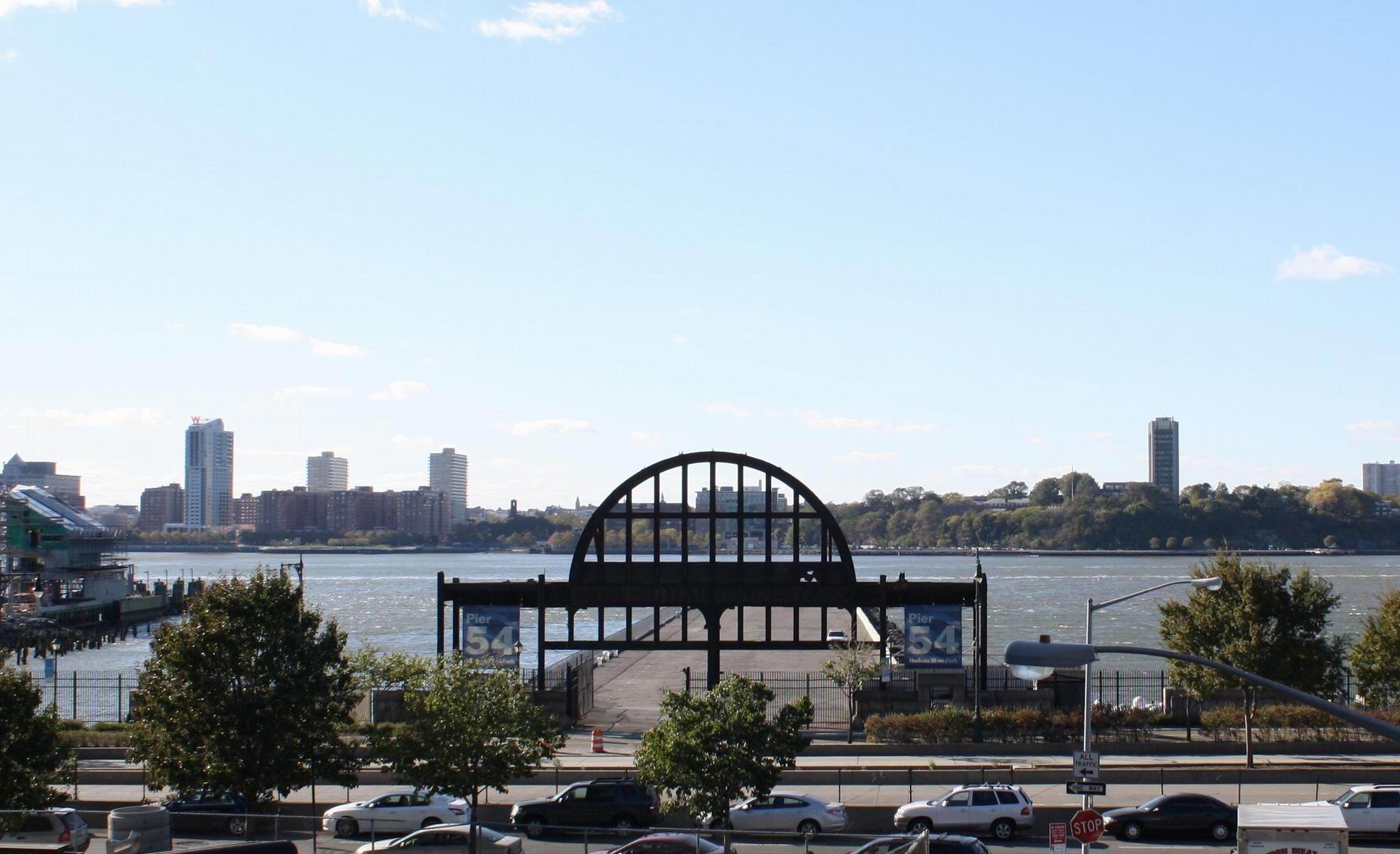
One of several views of the Hudson River from the High Line

Additional information about the High Line can be found at http://www.thehighline.org/.

Photos by Alice Webb